

Choosing a dog is about more than appearance. A good companion should fit your daily routine, living environment, and ability to provide proper care. German Shepherds attract many dog lovers because they combine intelligence, loyalty, athletic ability, and a strong desire to work with people.
These dogs can become devoted family companions, but they are not the right choice for every household. Their energy, size, and need for consistent guidance require time and commitment from their owners.
Understanding German Shepherd qualities before bringing one home can help you make a more informed decision. This guide explains the breed’s personality, natural abilities, family behavior, training needs, and potential disadvantages.
What Makes German Shepherds Special?
German Shepherds were developed as working dogs, and many of their best-known characteristics reflect that background. They are often attentive, quick to learn, physically capable, and responsive to people they know.If you are new to this breed, our detailed guide on what a German Shepherd is explains its origin, physical characteristics, personality, and working abilities.
Their individual personalities can vary considerably. Some German Shepherds are outgoing and playful, while others are more reserved. Genetics, early experiences, socialization, training, and health can all influence behavior.
The following qualities are commonly associated with the breed:
- Intelligence and problem-solving ability
- Loyalty and strong relationships with familiar people
- Alertness and protective tendencies
- Trainability and willingness to learn
- Athletic ability and high energy
- Affectionate behavior with trusted family members
- Adaptability to different activities
- A need for mental stimulation and meaningful interaction
These traits can make German Shepherds rewarding pets, provided their needs match the owner’s lifestyle.
1. Intelligence That Supports Learning

German Shepherds are well known for their ability to learn commands and respond to structured training. Their intelligence has helped them succeed in activities such as tracking, obedience, search and rescue, and assistance work.
At home, this ability can make everyday training easier. A German Shepherd may learn to wait before going through a door, walk calmly on a leash, or settle in a designated resting area.
However, intelligence alone does not guarantee good manners. Dogs still need clear instructions, practice, and positive experiences to understand what is expected of them.
A dog that receives little mental stimulation may become bored and develop unwanted habits, such as chewing household items or barking excessively.
How owners can help: Introduce simple training games, food puzzles, scent activities, and new commands. Short, regular sessions are often more manageable than long lessons that leave a dog frustrated.
2. Loyalty and Strong Family Bonds
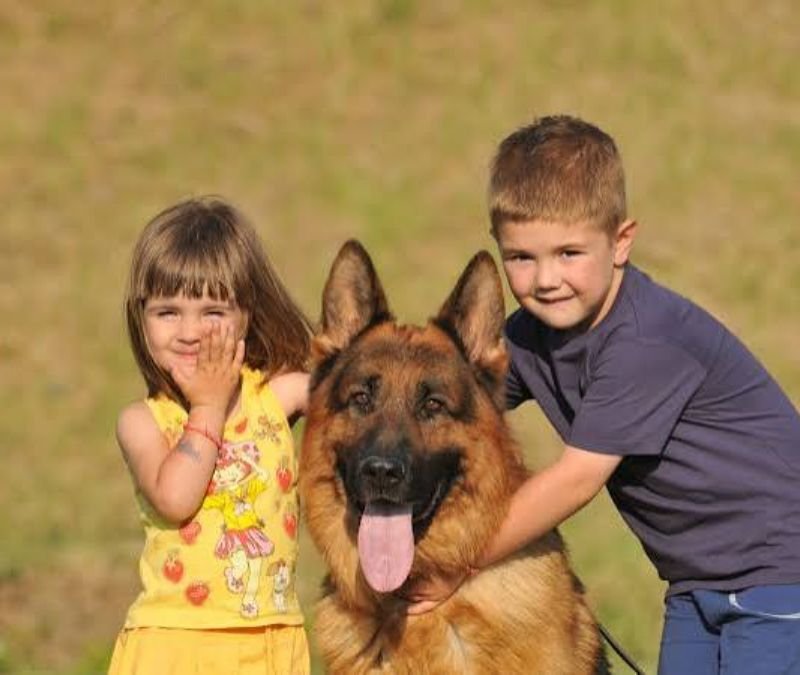
Many German Shepherds form close relationships with their owners. They may enjoy staying near familiar people, joining family activities, and following established household routines.
This attachment can make them affectionate and dependable companions. Some develop a particularly strong connection with one person, although others bond closely with the entire household.
There is an important distinction between a healthy bond and an inability to cope with separation. Some dogs become anxious when left alone, especially if they have not gradually learned to feel comfortable on their own.
How owners can help: Spend quality time with your dog, maintain predictable routines, and reward relaxed behavior. Gradually teach your dog that spending some time independently can also be safe and comfortable.
3. Alertness and Protective Instincts

German Shepherds often pay close attention to unfamiliar sounds, visitors, and changes in their surroundings. This alertness is one reason the breed is frequently associated with watchdog duties.
For example, a German Shepherd might bark when someone approaches the front door or become attentive when it hears an unusual noise.
However, a protective dog should still be manageable around visitors and in public places. Constant barking, lunging, or threatening behavior should not be mistaken for desirable protection.
Fear, limited socialization, painful medical conditions, and previous experiences can all contribute to unwanted reactions.
How owners can help: Introduce new situations gradually, reward calm responses, and teach reliable everyday commands. If your dog shows persistent fear or aggression, seek advice from a veterinarian or qualified behavior professional.
4. Confidence and Courage
A well-adjusted German Shepherd may approach unfamiliar situations with confidence and remain focused during training. These characteristics have contributed to the breed’s reputation as a capable working dog.
Still, confidence is not identical in every dog. One German Shepherd may comfortably explore a busy park, while another may need more time to become familiar with new surroundings.
A dog that appears frightened is not necessarily stubborn or disobedient. It may simply need a slower introduction or more positive experiences.
How owners can help: Allow your dog to investigate unfamiliar environments at a comfortable pace. Reward calm exploration instead of forcing interactions that cause distress.
5. Trainability and Cooperation
German Shepherds often respond well to consistent, reward-based training. Many enjoy activities that allow them to work alongside their owners and learn useful behaviors.
Basic obedience is especially valuable because an adult German Shepherd can be strong and difficult to manage if it has not learned appropriate manners.
Useful skills include:
- Responding when called
- Walking on a loose leash
- Waiting calmly at doors
- Settling on a mat or bed
- Leaving unsuitable objects alone
- Greeting people without jumping
Keep lessons clear and rewarding. Treats, praise, and play can encourage desirable behavior. Avoid harsh punishment, which can damage trust and increase fear in some dogs.
Consistency is essential. When family members use different commands or allow conflicting behaviors, learning can become confusing.
6. Athletic Ability and Daily Energy
German Shepherds are active dogs that generally need regular physical exercise. They often enjoy walking, hiking, controlled games of fetch, and structured activities that allow them to move and explore.
Their needs go beyond physical movement. Training and mental challenges can also help keep them engaged.
For example, an adult dog might enjoy a walk followed by a short obedience session or a supervised scent game. The appropriate routine depends on the dog’s age, fitness, and health.
Puppies require special consideration because their bodies are still developing. Avoid excessive high-impact exercise and repeated jumping, and ask your veterinarian about age-appropriate activities.
How owners can help: Establish a realistic routine that includes exercise, training, play, and rest. Avoid assuming that one fixed exercise schedule is suitable for every German Shepherd.
7. Affectionate and Playful Behavior
Although German Shepherds can look serious and imposing, many are playful and affectionate with people they trust. They may enjoy interactive toys, learning tricks, playing games, or relaxing near family members.
Their comfort around unfamiliar people can vary. Some dogs are naturally more outgoing, while others prefer a little space before approaching someone new.
Respecting these differences helps create a safer and more positive relationship.
How owners can help: Make time for enjoyable activities, reward gentle behavior, and give your dog a quiet place to rest. Children should be taught to interact respectfully and never disturb a dog while it is eating or sleeping.
8. Versatility Beyond the Family Home
German Shepherds have worked in many roles, including police work, tracking, search and rescue, assistance work, and various dog sports.
Their combination of learning ability, athleticism, and responsiveness makes them suitable for a wide range of structured activities.
Pet owners can use the same strengths in everyday life. A German Shepherd might enjoy learning tricks, participating in an obedience class, exploring scent games, or accompanying its owner on suitable outdoor adventures.
A professional working role is not necessary. The important thing is to provide activities that suit the dog’s interests and abilities.
9. Can German Shepherds Be Good Family Dogs?
Many German Shepherds can live happily with families when they receive appropriate training, socialization, exercise, and care.
They may enjoy participating in family routines and spending time with familiar people. However, their size and strength mean that interactions should be managed carefully.
Young children should always be supervised around dogs. Teach children not to pull ears or tails, climb on dogs, disturb them while sleeping, or take food and toys away from them.
German Shepherds may also live successfully with other pets, but compatibility depends on the individual animals and how they are introduced. Some dogs may chase smaller animals, so careful management can be important.
The key point: Do not rely on breed reputation alone. Assess the individual dog’s temperament, past experiences, and behavior around the people and animals in your home.
10. A Strong Desire for Purpose
Many German Shepherds enjoy having something to do. Their working background means that activities involving learning, movement, and cooperation can be especially rewarding.
A suitable task does not need to be complicated. It could involve practicing a command, searching for a hidden treat, learning a new trick, or following a familiar walking routine.
Without enough engagement, some dogs may become restless or develop behaviors that owners find difficult to manage.
How owners can help: Add small activities to your dog’s normal routine. Variety can make daily life more interesting without requiring professional equipment or advanced training.
German Shepherd Breed History: Why These Traits Matter

The German Shepherd was developed in Germany during the late nineteenth century. Captain Max von Stephanitz played a central role in establishing the breed, with an emphasis on useful working characteristics and the ability to work alongside people.
The breed’s herding origins help explain its association with alertness, athleticism, and trainability. Later, German Shepherds became known for their work in various service and working roles.
This background provides context for the breed’s needs today. Many German Shepherds benefit from having a consistent routine, opportunities to learn, and regular interaction with their owners.
Nevertheless, ancestry does not determine every aspect of an individual dog’s personality. Each dog should be assessed and cared for according to its own needs.If you want to understand the breed in more detail, including its physical appearance, size, temperament, and daily care requirements, read our complete German Shepherd breed guide.
What Are the Challenges of Owning a German Shepherd?
Understanding a breed’s strengths is only half of responsible ownership. German Shepherds also have practical needs that prospective owners should consider.
1. Regular Shedding
German Shepherds have a double coat and shed throughout the year. Shedding often becomes heavier during seasonal coat changes.
Frequent brushing can help remove loose hair and keep the coat in good condition, but owners should expect some hair around the home.
2. Time for Exercise and Interaction
These dogs generally need more activity and engagement than a low-energy companion breed. Long periods without exercise, companionship, or stimulation may contribute to unwanted behavior in some individuals.
3. Consistent Training
A large dog that pulls on a leash, jumps on visitors, or ignores basic commands can be challenging to handle. Training and socialization should be ongoing rather than limited to puppyhood.
4. Potential Health Expenses
German Shepherds can be affected by health problems such as hip and elbow dysplasia and degenerative myelopathy. Preventive veterinary care, appropriate nutrition, and responsible breeding practices are important, although they cannot eliminate every health risk.
5. Long-Term Financial Commitment
Food, grooming supplies, training, routine veterinary visits, and unexpected medical care all contribute to the cost of owning a dog.
Before getting a German Shepherd, make sure you can provide both the time and financial resources required throughout its life.
German Shepherd Health and Lifespan

German Shepherds often live approximately 9 to 13 years, although lifespan varies between individuals.
Health conditions associated with the breed include:
- Hip and elbow dysplasia: Joint abnormalities that can lead to discomfort and mobility problems.
- Degenerative myelopathy: A progressive neurological condition that can affect movement.
- Bloat: A potentially life-threatening condition involving stomach distension and sometimes twisting.
- Skin or digestive problems: Some dogs experience allergies, irritation, or gastrointestinal issues.
If you are buying a puppy, ask a responsible breeder about the parents’ health history and relevant screening results, particularly hip and elbow evaluations.
Routine veterinary visits can help monitor your dog’s weight, mobility, dental health, and general condition.
Bloat requires urgent veterinary attention. Warning signs can include a swollen abdomen, repeated unsuccessful attempts to vomit, and severe restlessness. Contact an emergency veterinarian immediately if you suspect this condition.
Health advice should always be tailored to the individual dog by a qualified veterinary professional.
How to Develop Good German Shepherd Qualities
A dog’s natural abilities are influenced by how it is raised, trained, and cared for. The following practices can help support healthy behavior.
Start socialization thoughtfully. Provide safe, positive experiences with different environments, people, and appropriate dogs.
Use positive reinforcement. Reward desirable behavior with food, praise, or play. Make expectations clear and consistent.
Provide mental enrichment. Try puzzle feeders, scent games, and short training exercises.
Meet exercise needs. Choose suitable activities based on your dog’s age, health, and fitness.
Maintain coat care. Brush regularly and check the skin for irritation or unusual changes.
Provide balanced nutrition. Select food appropriate for your dog’s life stage and health, and ask your veterinarian about individual requirements.
Support calm independence. Teach your dog to relax comfortably without constant attention.
Arrange regular veterinary care. Discuss preventive health measures and any changes in behavior or physical condition.
Small, consistent efforts can help establish good habits and strengthen the relationship between a dog and its owner.
Is a German Shepherd the Right Dog for You?

A German Shepherd may suit your lifestyle if you enjoy spending time outdoors, are willing to train your dog consistently, and want an active companion.
Before making a decision, consider the following questions:
- Can I provide daily exercise and mental stimulation?
- Do I have time for training and socialization?
- Can I manage a large, strong dog safely?
- Am I comfortable with regular grooming and shedding?
- Can I afford routine veterinary care and unexpected expenses?
- Will my dog receive appropriate companionship during the day?
If you answer yes to these questions, a German Shepherd may be worth considering.
If you prefer a low-energy dog, spend most of the day away from home, or cannot commit to training, another breed may be a better match.
First-time owners can succeed with German Shepherds, but they should be prepared to learn about canine behavior and seek professional guidance when needed. Meeting adult dogs and talking to responsible breeders or rescue organizations can help you understand what daily life with this breed is really like.
Frequently Asked Questions
What are the best German Shepherd qualities?
Commonly valued qualities include intelligence, loyalty, trainability, alertness, athleticism, and the ability to learn different tasks. Individual dogs vary in how strongly they display these characteristics.
Are German Shepherds loyal dogs?
Yes, many develop strong relationships with their owners and families. Their social experiences and individual personalities influence how they bond with people.
Are German Shepherds naturally protective?
Many are alert and may display protective tendencies. Proper socialization and training help them respond appropriately to unfamiliar situations without unnecessary aggression.
Are German Shepherds aggressive?
Aggression is not inevitable in this breed. Genetics, fear, pain, socialization, and learning experiences can influence behavior. Sudden or persistent aggression should be assessed with professional help.
Are German Shepherds easy to train?
They are generally highly trainable and often learn commands quickly. Consistent, reward-based training is important for developing reliable behavior.
How much exercise does a German Shepherd need?
Most healthy adults need regular physical activity and mental stimulation. The appropriate amount depends on the dog’s age, health, fitness, and individual needs.
Do German Shepherds shed heavily?
Yes. Their double coat sheds throughout the year, often more heavily during seasonal changes. Regular brushing helps manage loose hair.
Are German Shepherds suitable for first-time owners?
They can be suitable for committed beginners who are ready to provide training, exercise, grooming, and veterinary care. They may be difficult for people looking for a low-maintenance pet.
Final Thoughts
German Shepherd qualities go beyond intelligence and loyalty. Their alertness, trainability, athletic ability, and willingness to work with people can make them wonderful companions in the right home.
At the same time, these dogs need consistent guidance, regular activity, grooming, and responsible health care. Their reputation should never replace an honest assessment of an individual dog’s temperament and needs.
Before bringing a German Shepherd home, consider whether your lifestyle allows you to meet these responsibilities. With appropriate care, positive training, and a suitable environment, many German Shepherds can build strong relationships with their families and enjoy a fulfilling life.
Pingback: German Shepherd Short Hair: Coat & Care
Pingback: Facts About the German Shepherd: 15 Amazing Facts