
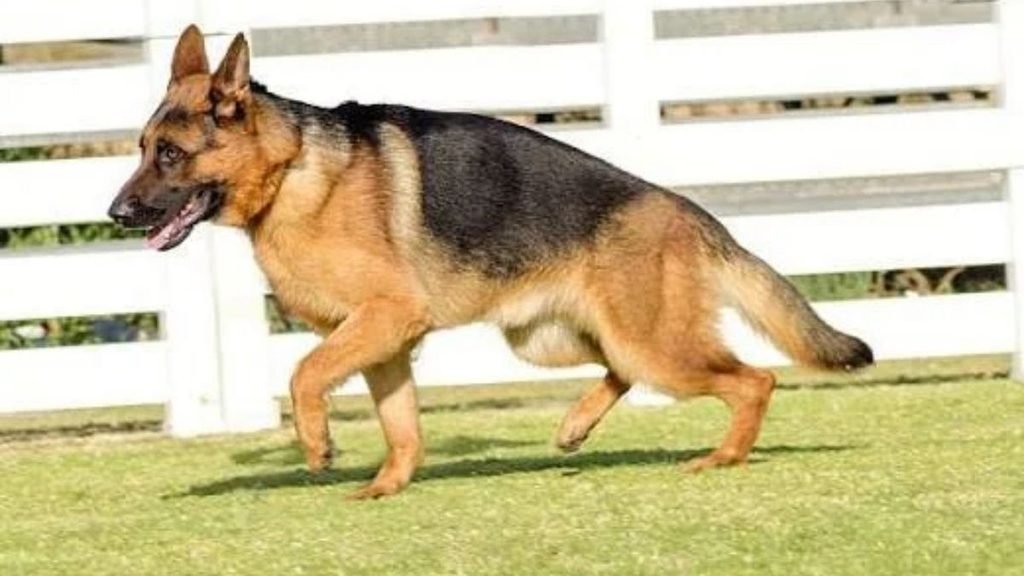
A German Shepherd dog with short hair has a neat, close-fitting coat, an athletic appearance, and the familiar alert expression that makes this breed easy to recognize. Many people prefer this coat type because it looks easier to manage than a long, fluffy coat.
However, there is something important to understand before choosing one: a short-haired German Shepherd can still shed a considerable amount of fur. Its coat is usually made up of a protective outer layer and a softer undercoat, so short hair does not automatically mean low maintenance.
In this guide, you will learn what a short-haired German Shepherd looks like, how its coat differs from a long-haired variety, how much grooming it needs, and what to consider before bringing one home.
What Is a Short-Haired German Shepherd?
A short-haired German Shepherd is generally a German Shepherd with a relatively short, close-lying outer coat. Breed enthusiasts often use the term stock coat for the traditional coat type.To understand the breed beyond its coat type, explore our complete German Shepherd breed guide, which covers its appearance, size, temperament, training, and care requirements.
The German Shepherd’s standard coat is not necessarily extremely short or smooth like the coat of some other breeds. It usually has a firm outer layer with a dense undercoat underneath. The hair is shorter around the head, ears, front of the legs, and paws, while some areas, such as the neck and back of the legs, have longer hair.
According to the German Shepherd Dog Club of America breed standard, the typical coat is dense, double-layered, and medium in length. This explains why many German Shepherds described as short-haired still have a thick coat.
In everyday conversation, people may use “short-haired German Shepherd” to describe dogs with different coat lengths. If you are buying a puppy, ask the breeder about the parents’ coats and the puppy’s expected adult coat rather than relying on the label alone.
What Does a Short-Haired German Shepherd Look Like?
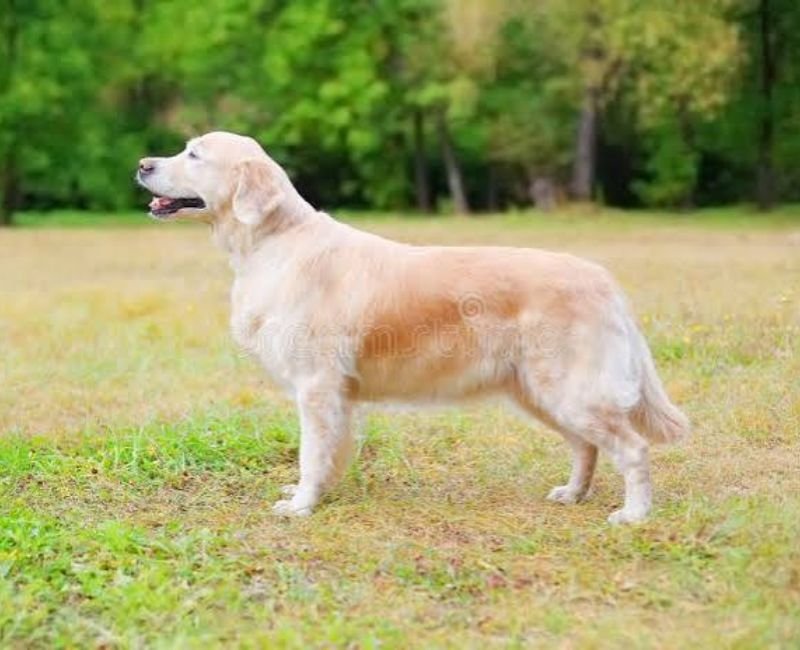
Short-haired German Shepherds usually have a strong, muscular body, upright ears, an alert expression, and a coat that lies close to the body.
Their fur often looks less fluffy than that of long-haired German Shepherds. The coat may also make the dog’s body shape appear more defined, particularly around the shoulders and back.
Common coat colors include:
- Black and tan
- Black and red
- Black and cream
- Sable
- Solid black
Color and coat length are separate characteristics. For example, a black-and-tan German Shepherd may have a shorter coat, while another dog with similar coloring may have longer hair.
A dog’s appearance can also change as it matures. German Shepherd puppies may have a softer-looking coat that becomes more like the adult coat over time.
Do Short-Haired German Shepherds Have a Double Coat?
Yes. A typical short-coated German Shepherd has a double coat consisting of two main layers.
1. Outer Coat
The outer coat contains the visible guard hairs. These hairs are generally firm and close-fitting, helping protect the dog’s skin from dirt and everyday environmental exposure.
2. Undercoat
The undercoat is softer and denser. It provides insulation and contributes to the coat’s protective function in different weather conditions.
These two layers work together, which is why brushing only the visible surface may not remove all loose fur.
Why does this matter? Because the undercoat can shed even when the outer coat looks neat. Owners should focus on regular brushing rather than assuming a short coat needs very little care.
For more detail, consult the United Kennel Club’s German Shepherd breed standard.
Short-Haired vs. Long-Haired German Shepherds
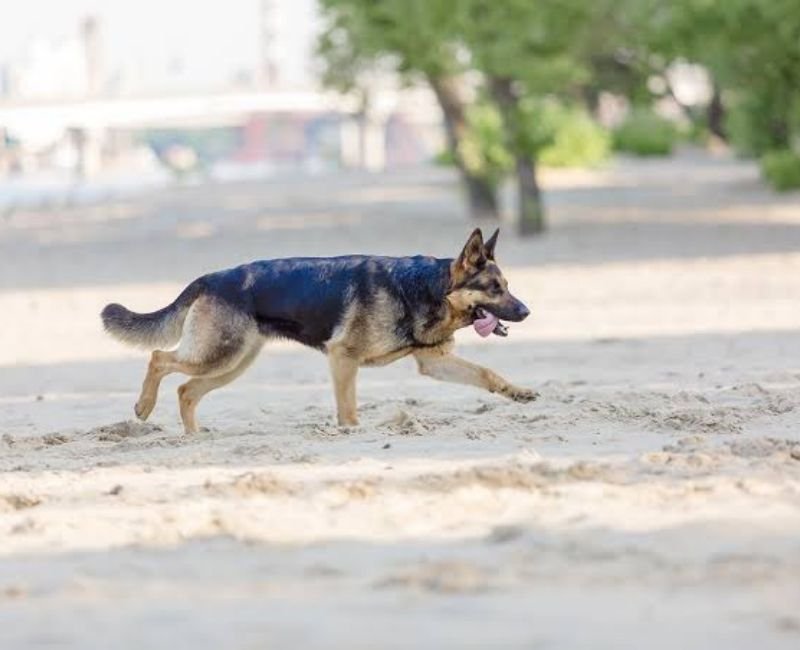
Both coat types belong to the German Shepherd breed. The most noticeable difference is the length and appearance of the hair, although grooming needs can vary from one dog to another.
| Feature | Short-Haired German Shepherd | Long-Haired German Shepherd |
| Appearance | Close-fitting, less fluffy coat | Longer, fuller-looking coat |
| Brushing | Regular brushing to remove loose undercoat | Regular brushing, with extra attention to tangles |
| Shedding | Can shed heavily | Can also shed heavily |
| Tangling | Usually less prone to tangles | Longer areas may tangle more easily |
| Grooming effort | Often easier to brush quickly | May need more time to maintain longer hair |
| Personality | Depends on the individual dog | Depends on the individual dog |
A short-haired German Shepherd may be easier to brush because its hair is shorter, but it is not necessarily a low-shedding dog. Both coat types can leave fur on furniture, clothing, and floors.
Neither coat length alone determines intelligence, loyalty, trainability, or suitability as a family companion. Those qualities are influenced by genetics, early socialization, training, health, and the individual dog’s temperament.
Do Short-Haired German Shepherds Shed a Lot?
Yes. Short-haired German Shepherds can shed throughout the year, with heavier shedding periods often occurring during seasonal coat changes.
This surprises some first-time owners. They see the dog’s relatively short hair and expect less fur around the house, only to discover that the dense undercoat releases plenty of loose hair.
The amount of shedding varies with the individual dog, coat condition, environment, and season.
How Can You Manage Shedding?
You cannot completely stop normal shedding, but you can make it easier to manage.
- Brush your dog several times a week.
- Increase brushing when shedding becomes heavier.
- Use a brush or undercoat tool designed for double-coated dogs.
- Clean loose fur from bedding and favorite resting areas regularly.
- Feed a balanced, complete diet suitable for your dog’s age and needs.
- Check the skin while grooming for redness, irritation, or unusual hair loss.
If shedding suddenly becomes excessive or you notice bald patches, persistent itching, sores, or inflamed skin, consult a veterinarian. These signs may indicate a problem beyond normal shedding.
How to Groom a Short-Haired German Shepherd
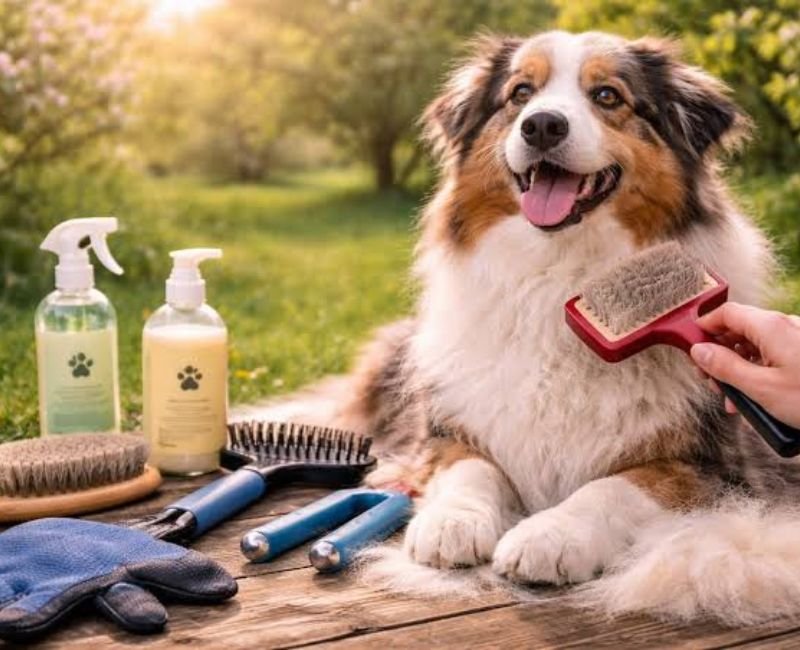
A consistent grooming routine helps keep your dog’s coat clean and allows you to spot skin problems early. You do not need an elaborate routine, but you do need to be consistent.
Step 1: Brush Regularly
Brush your German Shepherd several times a week, adjusting the frequency to its coat and shedding level. During heavy shedding, more frequent brushing may be helpful.
Work gently through the coat and avoid scraping the skin. A suitable undercoat brush can help remove loose fur from the lower layer.
Step 2: Bathe Only When Needed
German Shepherds do not usually need frequent baths. Bathe your dog when it is dirty or has an odor that regular brushing cannot address.
Use a dog-safe shampoo and rinse thoroughly. Excessive bathing or harsh products may irritate the skin or remove natural oils.
Step 3: Check the Ears, Nails, and Paws
Grooming is also a good time to check your dog’s ears, trim its nails when needed, and inspect the paws for dirt, cuts, or irritation.
Avoid inserting cotton swabs deep into the ear canal. Ask a veterinarian for advice if you notice discharge, a strong odor, redness, or repeated ear scratching.
Step 4: Make Grooming a Positive Experience
Start with short sessions, especially if you have a puppy. Offer praise and rewards so your dog learns to remain comfortable while being brushed and handled.
If your dog becomes anxious, take a break and gradually build up the time.
Can You Shave a Short-Haired German Shepherd?
You generally should not shave a German Shepherd’s double coat simply to reduce shedding or help the dog stay cool.
The coat provides protection and insulation. Shaving it can interfere with its normal protective function, and regrowth may not always be uniform.
If your dog seems uncomfortable in warm weather, provide fresh water, shade, good ventilation, and walks during cooler parts of the day. Avoid strenuous exercise in extreme heat.
There are situations in which a veterinarian may recommend clipping for a medical reason. In that case, follow professional guidance rather than shaving the coat at home.
Personality and Family Suitability

A short-haired German Shepherd has the same general breed characteristics as other German Shepherds. Coat length does not create a separate personality type.Although coat length does not affect a German Shepherd’s natural personality, understanding its behavior, intelligence, loyalty, and temperament is important. Read our detailed guide on German Shepherd qualities, personality, strengths, and care to learn more about these traits.
German Shepherds are often intelligent, active, attentive, and strongly bonded with their families. They can be excellent companions for owners who are prepared to provide training, exercise, and mental stimulation.
Are They Good Family Dogs?
They can be, provided their individual temperament and needs suit the household.
Early socialization helps puppies become familiar with different people, sounds, places, and everyday situations. Consistent, reward-based training can help dogs learn appropriate behavior.
Children should always be supervised around dogs, and children should be taught to treat the dog gently. Introductions to other pets should also be managed carefully.
How Much Exercise Do They Need?
German Shepherds are active working dogs that generally need daily physical activity and mental engagement. Walks, structured play, obedience practice, scent games, and other suitable activities can help meet these needs.
The right amount depends on the dog’s age, health, fitness, and individual temperament. Puppies should not be pushed into excessive or high-impact exercise while they are growing. Ask your veterinarian for age-appropriate activity guidance.
Common Mistakes to Avoid
Some coat-care mistakes can make life harder for both the dog and its owner.
Assuming short hair means no shedding: A short outer coat can still hide a dense undercoat that releases loose fur.
Brushing too roughly: Aggressive brushing or using tools incorrectly can irritate the skin and damage the coat.
Bathing too often: Frequent baths with unsuitable products may dry or irritate the skin.
Shaving the coat for convenience: Shaving is not a recommended routine solution for shedding or warm weather.
Ignoring skin changes: Persistent itching, bald spots, redness, or sores should not automatically be treated as normal shedding.
Choosing a puppy based only on appearance: Temperament, health, responsible breeding, and the owner’s ability to meet the dog’s needs are also important.
Health and Coat-Care Considerations
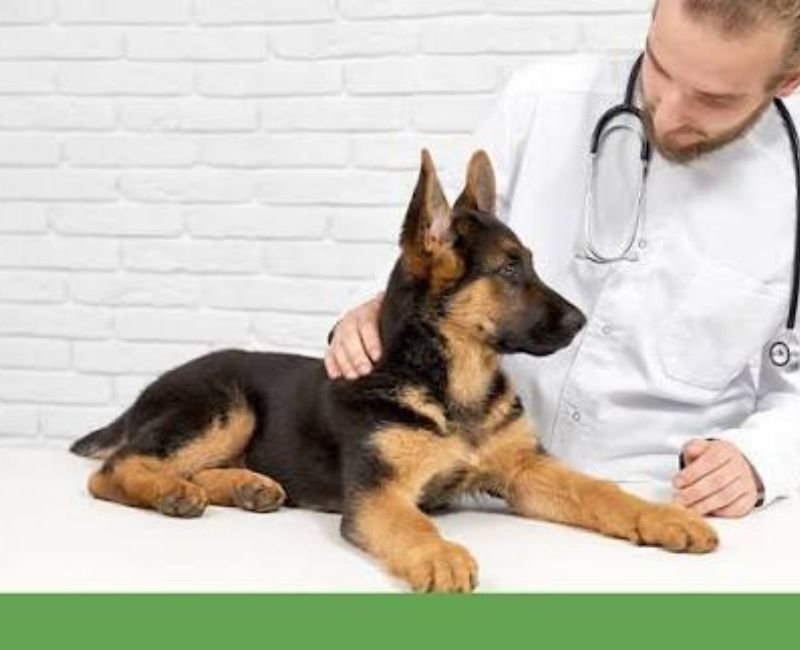
A short coat does not protect a German Shepherd from the health conditions that can affect the breed. Responsible owners should pay attention to general health as well as coat care.
German Shepherds can be affected by conditions such as hip and elbow dysplasia, degenerative myelopathy, and bloat. These conditions are not caused simply by having short hair.
Choose a responsible breeder who can discuss health screening and the health history of the puppy’s parents. Keep up with veterinary checkups, vaccinations, parasite prevention, dental care, and a balanced diet.
Healthy skin and fur also depend on overall well-being. If your dog’s coat becomes unusually dull, greasy, patchy, or itchy, consult a veterinarian rather than relying only on grooming products or supplements.
Is a Short-Haired German Shepherd Right for You?
A short-haired German Shepherd may be a good fit if you like an athletic, intelligent dog and can provide daily activity, training, and regular coat care.
Before choosing one, ask yourself:
- Can I provide daily exercise and mental stimulation?
- Am I prepared to manage regular shedding?
- Can I make time for training and socialization?
- Can I afford routine veterinary care and unexpected medical expenses?
- Does my home environment suit an active, large dog?
If you answered yes to these questions, this coat type may suit your lifestyle. Remember that a shorter coat can make brushing more convenient, but it does not remove the responsibilities of owning a German Shepherd.
Frequently Asked Questions
1. Is a short-haired German Shepherd a purebred dog?
Yes. A short coat can be consistent with the traditional German Shepherd coat. If pedigree or show eligibility matters to you, check the relevant kennel club’s breed standard and registration rules.
2. Are short-haired German Shepherds easier to groom?
Their shorter hair may be quicker to brush and less likely to form tangles than longer hair. However, they still need regular brushing because their double coat can shed heavily.
3. Do short-haired German Shepherds shed less than long-haired ones?
Not necessarily. Both types can shed substantial amounts. The amount of visible fur and the grooming routine vary by individual dog.
4. How often should I brush my short-haired German Shepherd?
Several times a week is a useful starting point. Brush more frequently during heavy shedding periods if needed, and use an appropriate tool without irritating the skin.
5. Can a short-haired German Shepherd live in a warm climate?
A German Shepherd can live in a warm climate if its needs are managed carefully. Provide shade, fresh water, ventilation, and exercise during cooler hours. Never assume a short coat makes a dog immune to overheating.
6. Should I shave my short-haired German Shepherd in summer?
No, not as a routine way to cool the dog or reduce shedding. The double coat helps protect the dog. Seek veterinary advice if there is a medical reason for clipping.
Final Thoughts
A short-haired German Shepherd combines the breed’s familiar athletic appearance with a coat that is often easier to brush than a longer, more feathered coat. However, its dense double coat can still shed throughout the year and needs consistent care.
Before choosing one, consider more than coat length. A healthy, well-socialized German Shepherd needs appropriate exercise, training, veterinary care, and a committed owner. With realistic expectations and a regular grooming routine, you can help your dog stay comfortable and keep its coat in good condition.