
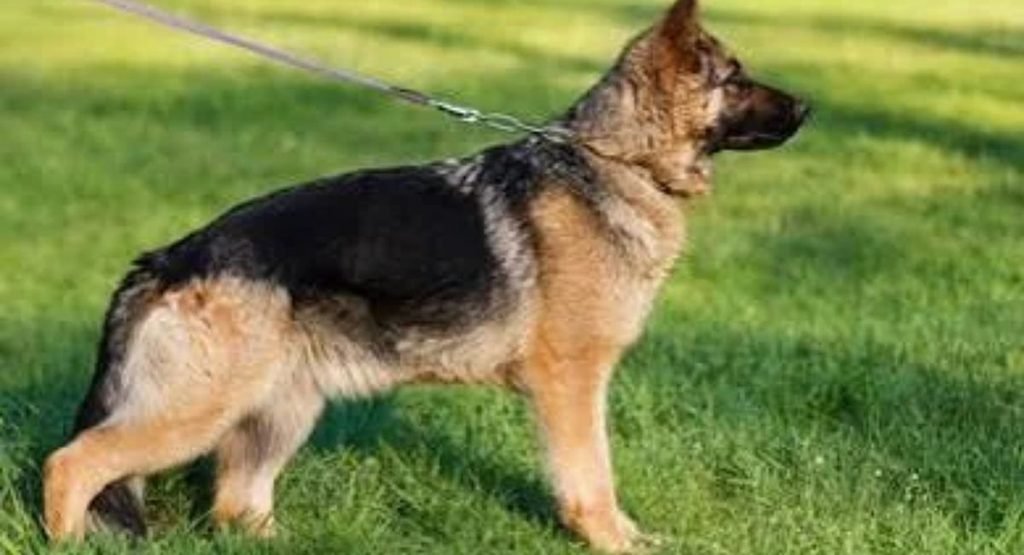
German Shepherds are among the most recognizable dog breeds in the world. Known for their intelligence, athletic build, loyalty, and working abilities, these dogs have earned an important place in homes and professional working environments.
But there is much more to this breed than its confident appearance. German Shepherds have an interesting history, distinctive physical characteristics, and specific care needs that potential owners should understand.
Whether you already own one or are thinking about bringing home a German Shepherd puppy, these 15 facts will help you understand the breed better. You will also learn about its temperament, exercise requirements, grooming routine, health considerations, and what responsible ownership involves.
1. German Shepherds Originated in Germany
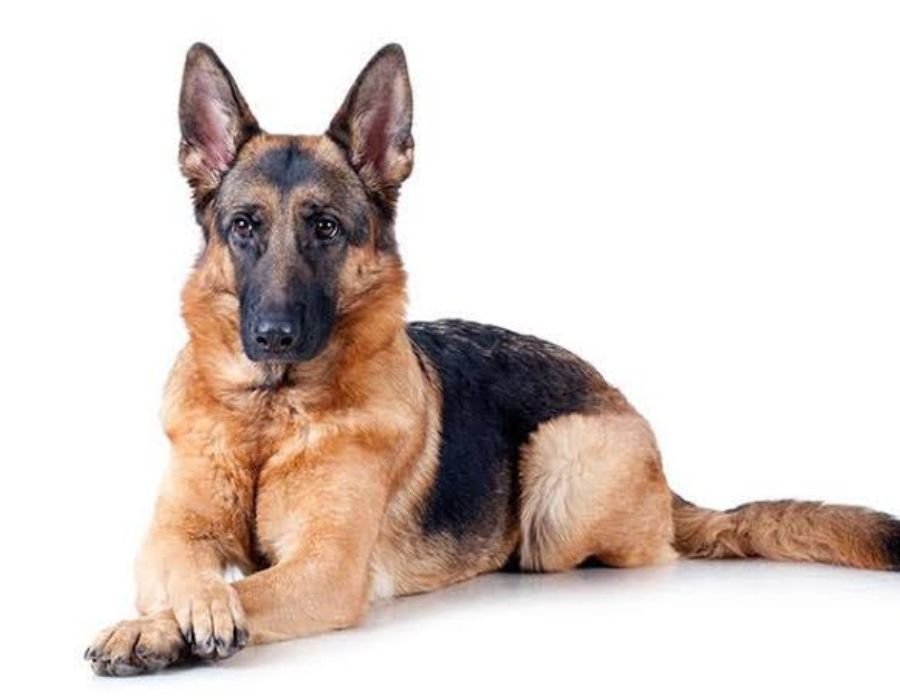
One of the most important facts about the German Shepherd is that the breed originated in Germany in the late nineteenth century.
Captain Max von Stephanitz is widely recognized for developing the modern German Shepherd Dog. He wanted to establish a capable working dog with the intelligence, physical ability, and temperament needed for herding and other demanding tasks.
Rather than focusing only on appearance, early breeders emphasized practical working qualities. This foundation helped German Shepherds become versatile dogs that could adapt to different jobs.
Why it matters: Understanding the breed’s history helps explain why modern German Shepherds often enjoy learning, staying active, and having a purpose.
2. They Were Originally Bred for Herding
Although many people associate German Shepherds with police work, their original purpose was herding and managing livestock.
Farmers needed dogs that could follow directions, respond to changing situations, and work alongside people for extended periods. German Shepherds developed a reputation for these abilities.
As farming practices changed, the breed’s intelligence and trainability made it suitable for many other roles. Today, German Shepherds can be found in search-and-rescue teams, service work, scent detection, and other trained working positions.
Not every German Shepherd is suited to every working role. Individual temperament, health, training, and careful selection all matter.
3. German Shepherds Are Highly Intelligent Dogs
German Shepherds are known for their ability to learn commands, recognize patterns, and work through training challenges. These qualities make them popular in obedience training and many professional canine roles.Intelligence is just one of the many qualities that make this breed special. Explore our guide to German Shepherd qualities, personality, strengths, and care to understand its temperament, loyalty, protective instincts, and daily needs.
However, intelligence does not mean a dog automatically understands what its owner wants. German Shepherds still need patient teaching, repetition, and consistent expectations.
You can support your dog’s learning by:
- Teaching basic commands in short sessions.
- Rewarding desirable behavior with treats, praise, or play.
- Introducing new skills gradually.
- Using puzzle toys and scent games for mental stimulation.
- Practicing learned commands in different appropriate environments.
Interesting fact: A German Shepherd may become bored when its daily routine lacks mental challenges. Training and enrichment are important parts of its care, not just optional activities.
4. They Are Used in Many Working Roles
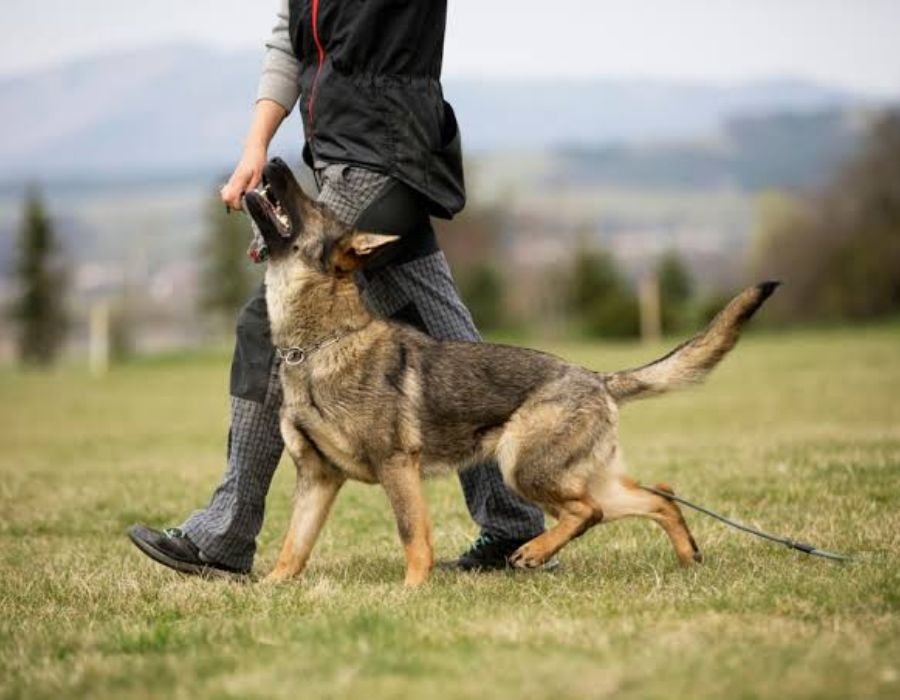
German Shepherds are versatile working dogs because they combine physical ability with trainability and a strong interest in working with people.
Depending on the individual dog and its training, German Shepherds may work in:
- Police and military support roles.
- Search-and-rescue operations.
- Scent detection.
- Assistance and service work.
- Herding and canine sports.
- Tracking and obedience activities.
These jobs require more than natural ability. Dogs must receive specialized training and be assessed for suitability.
Their working history also explains why many German Shepherds benefit from having regular activities that challenge both their bodies and minds.
5. German Shepherds Have a Distinctive Appearance

German Shepherds are large, athletic dogs with a strong body, alert expression, erect ears, and a bushy tail. Their overall build reflects their background as active working animals.
According to the American Kennel Club, adult males typically stand about 24–26 inches at the shoulder, while females usually stand about 22–24 inches. Typical weight ranges are approximately 65–90 pounds for males and 50–70 pounds for females. Individual dogs may differ.
German Shepherds also have a double coat, which includes an outer layer and an undercoat. Coat length and texture can vary.
A healthy dog should have a suitable body condition rather than simply being as large or heavy as possible. Proper nutrition and appropriate exercise are more important than trying to maximize size.
6. They Come in Several Coat Colors
Many people picture a German Shepherd with a black saddle and tan markings, but the breed comes in several recognized colors.
Depending on the applicable breed standard, colors include black, black and tan, sable, and other combinations or shades. Solid black German Shepherds also exist.Solid black is one of the coat colors found in this breed. If you want to learn more about its appearance, personality, grooming, and care needs, read our detailed guide on Black German Shepherds.
Coat color can make individual dogs look quite different, but it does not determine whether a dog will be intelligent, affectionate, healthy, or easy to train.
If you are choosing a puppy, pay attention to health, temperament, responsible breeding, and reliable records rather than selecting solely for coat color.
7. German Shepherds Shed a Lot
German Shepherds have a double coat that helps protect them in different weather conditions. However, this coat also means that shedding is a normal part of life with the breed.
Loose hair may be noticeable throughout the year, with heavier shedding during seasonal coat changes. The amount varies with the individual dog, its coat, and its environment.
To manage shedding:
- Brush your dog regularly, increasing frequency during heavier shedding.
- Use grooming tools suitable for a double-coated dog.
- Keep bedding clean and vacuum areas where your dog spends time.
- Check the skin for redness, irritation, or unusual hair loss.
- Feed a complete, balanced diet appropriate for your dog’s needs.
Avoid shaving a double-coated German Shepherd simply to reduce shedding or keep it cool. Ask a veterinarian or qualified groomer for advice if your dog has a coat or skin problem.
8. They Need Daily Exercise and Mental Stimulation
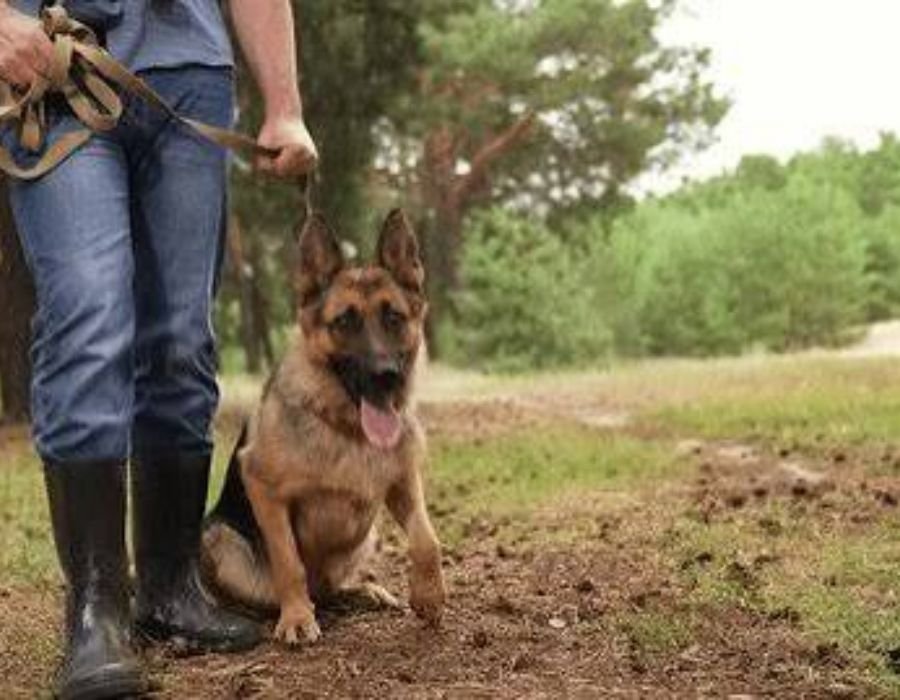
German Shepherds are active dogs that generally need regular physical activity and opportunities to use their minds. Without enough suitable activity, some may become restless or develop unwanted behaviors.
A dog’s exercise needs depend on age, health, fitness, and individual energy level. Adult dogs may benefit from walks, structured play, training sessions, and activities such as tracking or scent games.
Good activities include:
- Daily walks suited to your dog’s fitness.
- Fetch and other supervised games.
- Obedience practice.
- Food puzzles and scent activities.
- Appropriate hikes or canine sports.
Puppies need age-appropriate exercise while their bones and joints develop. Avoid pushing a young puppy into prolonged, high-impact activity.
Practical tip: A long walk is not the only way to help a German Shepherd. A short training session or scent game can also provide valuable mental enrichment.
9. German Shepherds Can Form Strong Bonds With Their Families
Many German Shepherds develop close relationships with their families. They often enjoy participating in everyday activities and learning routines with their owners.
Some dogs may be reserved around unfamiliar people, while others are more outgoing. Temperament varies, and no breed characteristic guarantees how a particular dog will behave.
Early socialization helps puppies become familiar with people, sounds, environments, and everyday experiences. Positive, gradual introductions can help build confidence.
German Shepherds also need appropriate time with their families. They should not be treated only as outdoor guard dogs; they require companionship, training, and regular care.
10. They Can Be Good Family Companions
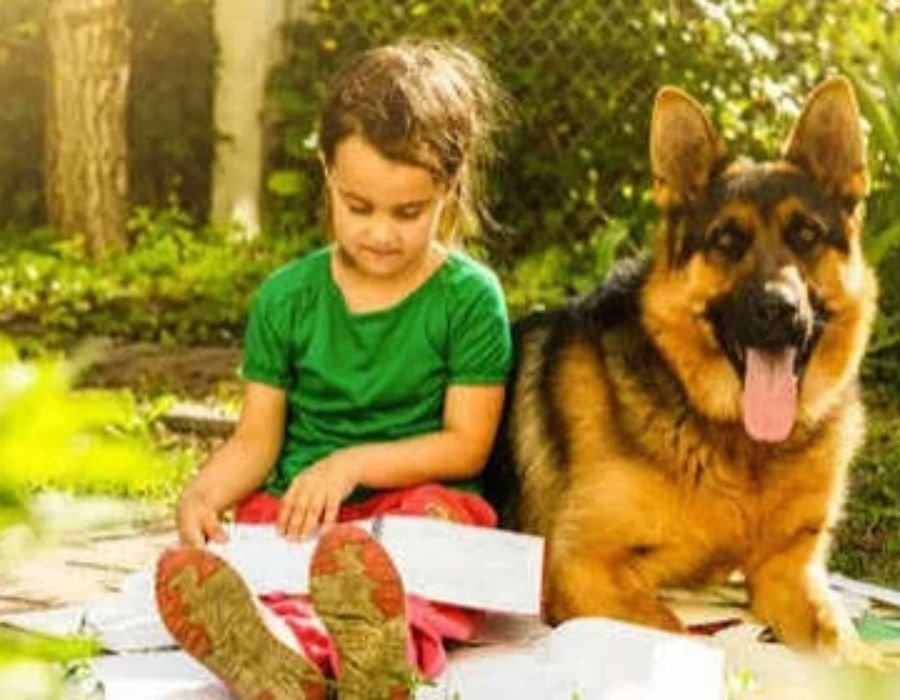
A well-socialized and appropriately trained German Shepherd can be a rewarding family companion. However, the breed’s size, energy, and training needs mean that it may not suit every household.
Families should consider whether they can provide daily exercise, consistent rules, veterinary care, and ongoing training.
If children live in the home, teach them how to approach dogs calmly, avoid disturbing a resting dog, and respect the animal’s space. Always supervise interactions between dogs and young children.
Introductions to other pets should be gradual and monitored. Compatibility depends on the individual animals and their previous experiences.
A German Shepherd may also suit a first-time owner who is prepared to learn about training and meet the dog’s needs. Support from a qualified trainer can be helpful when needed.
11. Early Training and Socialization Are Important
German Shepherds are powerful, intelligent dogs, so good manners and reliable training are especially valuable.
Begin with basic skills such as responding to their name, coming when called, walking on a leash, sitting, and settling calmly. Practice in short sessions and reward progress.
Reward-based training encourages desirable behavior without relying on intimidation or harsh punishment. Consistency between family members also helps a dog understand expectations.
Socialization should be gradual and positive. A puppy does not need to greet every person or dog; it needs to learn to experience the world calmly and safely.
If your dog develops persistent fear, reactivity, or aggressive behavior, seek advice from a veterinarian or qualified behavior professional.
12. German Shepherds Have Specific Health Considerations
German Shepherds can live active lives, but the breed is associated with certain health concerns. Knowing about these conditions can help owners recognize problems and discuss appropriate screening with their veterinarian.
Important health considerations include:
Hip and elbow dysplasia: These conditions affect joints and can contribute to pain, stiffness, and mobility problems. Responsible breeders may screen breeding dogs for relevant joint conditions.
Degenerative myelopathy: This progressive neurological condition can affect movement, particularly in the hind legs.
Bloat and gastric dilatation-volvulus (GDV): This is a potentially life-threatening emergency involving stomach distension and sometimes twisting. Warning signs can include a swollen abdomen, restlessness, repeated unproductive retching, and sudden distress.
Not every German Shepherd will develop these conditions. Genetics, body condition, preventive care, and other individual factors all influence health.
Schedule regular veterinary checkups and ask about appropriate screening for your dog’s age and family history. If you suspect bloat, seek emergency veterinary care immediately.
13. Their Lifespan Varies From Dog to Dog
German Shepherds do not all live the same number of years. Life expectancy varies with genetics, health, body condition, and the quality of care they receive.
Breed references give different estimates, so it is best to treat lifespan figures as general guidance rather than a guarantee for an individual dog.
You can support your dog’s well-being by providing:
- A complete, balanced diet.
- Regular veterinary examinations.
- Appropriate exercise.
- Dental care and routine grooming.
- Parasite prevention and recommended vaccinations.
- A healthy body condition.
If you notice persistent changes in appetite, movement, energy, or behavior, discuss them with your veterinarian. Early assessment can help identify problems that need attention.
14. Famous German Shepherds Helped Make the Breed Popular
German Shepherds have appeared in films, television, and stories about working dogs for many decades.
One famous example is Rin Tin Tin, a German Shepherd associated with early Hollywood films. His popularity helped introduce audiences to the breed’s appearance and abilities.
German Shepherds have also gained recognition through search-and-rescue work, service roles, and police and military support.
Famous dogs can make an interesting part of the breed’s story, but a celebrity dog’s performance does not mean every German Shepherd will have the same temperament or abilities. Individual dogs need suitable training and care.
15. Owning a German Shepherd Is a Long-Term Commitment

One of the most important facts about German Shepherds is that they require more than food and a place to sleep.
Owners need to plan for daily activity, training, grooming, companionship, preventive veterinary care, and unexpected expenses.
Before bringing one home, consider whether you can realistically provide:
- Time for exercise and training.
- A safe, suitable living environment.
- Regular grooming and cleaning.
- Quality food and routine veterinary care.
- Social interaction and mental enrichment.
- Financial resources for emergencies.
If you are considering a puppy, research breeders carefully and ask about the parents’ health screening, temperament, and the puppy’s early care. Adoption from a reputable rescue organization may also be a good option.
A responsible decision helps both the dog and the household have a better experience.
Common Myths About German Shepherds
Myth 1: All German Shepherds Are Aggressive
Fact: Individual temperament varies. Genetics, health, socialization, training, and experience all influence behavior. Coat color and breed identity alone cannot predict aggression.
Myth 2: Intelligent Dogs Do Not Need Training
Fact: Intelligence can help a dog learn, but good behavior still requires consistent teaching and practice.
Myth 3: A Large Yard Is Enough Exercise
Fact: Space can be useful, but many German Shepherds also need walks, interaction, training, and mental enrichment.
Myth 4: Every German Shepherd Has the Same Personality
Fact: Dogs differ in confidence, energy, sociability, and behavior. Choose and train each dog according to its individual needs.
Myth 5: German Shepherds Do Not Need Much Grooming
Fact: Their double coat sheds regularly and needs routine brushing. Grooming also provides an opportunity to check the skin and coat for changes.
Frequently Asked Questions
1. What is special about German Shepherds?
German Shepherds are known for their intelligence, athleticism, trainability, and versatility. They can be companions, sport dogs, and working dogs when appropriately selected and trained.
2. Are German Shepherds easy to train?
They often learn well with consistent, reward-based training. However, training still requires patience, repetition, socialization, and suitable daily activities.
3. Do German Shepherds shed a lot?
Yes. Their double coat sheds throughout the year, often with heavier shedding during seasonal changes. Regular brushing helps manage loose fur.
4. Are German Shepherds good family dogs?
They can be good family companions when their exercise, training, and social needs are met. Children should always be supervised around dogs, and interactions with other pets should be introduced carefully.
5. What health problems can German Shepherds develop?
Potential concerns include hip and elbow dysplasia, degenerative myelopathy, and bloat. A veterinarian can advise on screening, prevention, and symptoms that need attention.
6. What were German Shepherds originally bred for?
They were developed in Germany primarily as herding and working dogs. Their trainability and versatility later made them suitable for many other roles.
7. Are German Shepherds suitable for first-time owners?
Some first-time owners can care for them successfully, but the breed needs consistent training, regular activity, and long-term commitment. New owners should be prepared to learn and seek qualified help when needed.
Final Thoughts
German Shepherds are remarkable dogs because of their history, intelligence, versatility, and strong relationships with their families. But their qualities come with responsibilities, including regular exercise, training, grooming, and preventive health care.
If you are planning to welcome a German Shepherd into your life, look beyond its appearance. Learn about the breed’s needs, choose responsibly, and provide patient, consistent care. These steps will help you build a healthier and more rewarding relationship with your dog.
Pingback: Dogs German: 15 German Dog Breeds to Know