

Solid black German Shepherd standing outdoors
The black German Shepherd is a striking dog known for its solid black coat, athletic build, and confident appearance. Its dark coloring often makes it stand out from the more familiar black and tan German Shepherd. However, its appearance is only one part of what makes this dog special.
If you are thinking about bringing a black German Shepherd into your home, you may have questions about its temperament, health, grooming needs, exercise requirements, and price. You may also wonder whether a black German Shepherd is a separate breed or simply a different color of the same breed.
The good news is that a solid black German Shepherd can be a purebred German Shepherd. Its coat color does not automatically make it more aggressive, healthier, smarter, or more protective than other German Shepherds.
This guide explains what makes black German Shepherds different in appearance, what they need to thrive, and how to choose a puppy responsibly.
What Is a Black German Shepherd?
A black German Shepherd is a German Shepherd Dog with a solid black coat. Unlike black and tan German Shepherds, which have lighter markings on areas such as the legs, chest, and face, a solid black dog has a predominantly black coat without the typical tan pattern.
Black is an accepted German Shepherd coat color. The American Kennel Club’s German Shepherd Dog breed information lists black among the breed’s colors. The German Shepherd Dog Club of Pakistan breed standard also includes solid black.
A black German Shepherd is not a separate breed. It belongs to the same breed as other German Shepherds and can share the breed’s general physical characteristics and working dog background.If you want to learn more about this breed’s origin, physical characteristics, working background, and general needs, explore our complete guide on what a German Shepherd is.
Individual dogs can still differ in size, coat length, energy level, and temperament. These differences depend on genetics, breeding, upbringing, health, and the dog’s individual personality not simply its color.
Why Are Some German Shepherds Black?
A German Shepherd’s coat color is influenced by inherited genes from its parents. These genes affect how pigment is produced and distributed throughout the coat.
A puppy may inherit the genetic combination needed for a solid black coat from its parents, even if both parents have different looking coats. The exact outcome depends on the genes each parent carries.
Here are a few important points about black German Shepherd genetics:
- Black is a natural coat color: It is not necessarily a sign of a mixed breed.
- Parents influence coat color: Puppies inherit coat-color genes from both parents.
- Coat color does not define quality: A black coat alone does not tell you whether a dog has good health, sound structure, or a suitable temperament.
- Appearance can vary: Coat length and texture can differ even among dogs of the same color.
If you want a black German Shepherd puppy, ask the breeder about the parents, pedigree, health testing, and expected adult appearance. Coat color should not be the only factor in your decision.
Black German Shepherd vs. Black and Tan German Shepherd
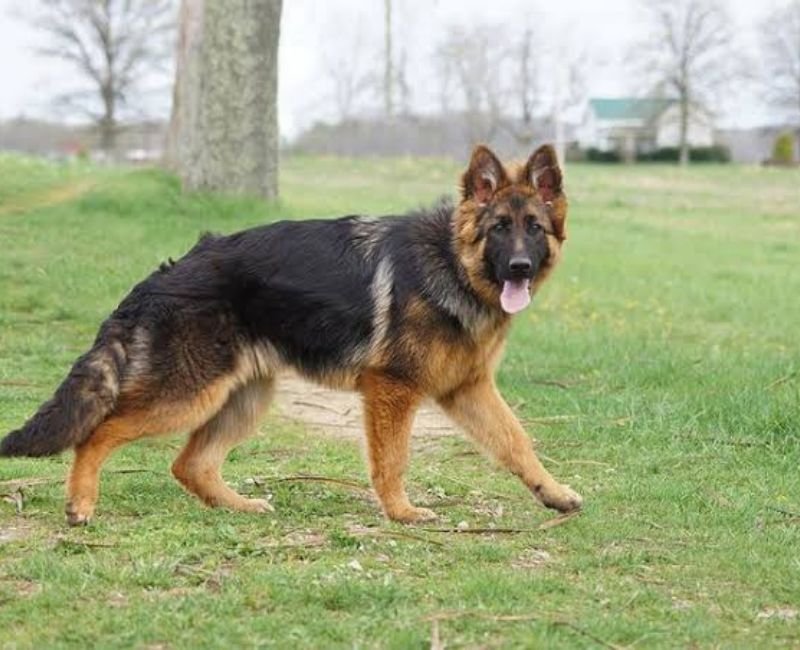
One of the easiest ways to identify the difference is to look at the distribution of color across the dog’s coat.
| Feature | Black German Shepherd | Black and Tan German Shepherd |
| Coat color | Predominantly solid black | Black with tan or reddish markings |
| Appearance | Uniform, dark look | Contrasting dark and lighter areas |
| Breed | German Shepherd Dog | German Shepherd Dog |
| General care | Regular grooming and exercise | Regular grooming and exercise |
| Temperament | Depends on the individual dog | Depends on the individual dog |
Neither color automatically makes a dog more intelligent, loyal, trainable, or protective. If you are choosing a companion, focus on health, temperament, responsible breeding, and compatibility with your lifestyle.
What Does a Black German Shepherd Look Like?

Black German Shepherds generally have the familiar athletic build associated with the breed. They may have an alert expression, upright ears, a long muzzle, a bushy tail, and a strong body.
Their solid black coats can make their features appear especially defined. Some have short to medium outer coats, while others have longer hair. Coat texture and length vary from dog to dog.Black German Shepherds can have different coat lengths, including shorter and longer varieties. To understand the differences in coat types, shedding, and grooming requirements, read our guide to German Shepherd short hair and coat care.
Adult size also varies. As a general breed reference, German Shepherds are large dogs, but exact height and weight depend on sex, genetics, age, and body condition. Avoid judging a puppy’s adult size based only on its current appearance.
A healthy German Shepherd should have a body condition appropriate for its age and build. Being unusually heavy is not a sign of better quality, and a puppy should not be encouraged to grow too quickly.
Black German Shepherd Temperament and Personality
Black German Shepherds generally share the breed’s typical characteristics. German Shepherds are known for their intelligence, alertness, trainability, and ability to form strong bonds with their families.
However, it is important to understand that coat color does not determine personality. A black German Shepherd is not automatically more aggressive or more protective than a black and tan one.
A dog’s behavior is influenced by several factors, including:
- Genetics and responsible breeding
- Early socialization
- Consistent training
- Daily exercise and mental stimulation
- Previous experiences and living environment
Some German Shepherds are naturally confident and outgoing, while others may be more reserved. A well socialized dog should be introduced gradually and positively to different people, environments, sounds, and situations.
If you want a family companion, look for a dog with a suitable temperament rather than choosing based on appearance alone.
Are Black German Shepherds Good Family Dogs?
A black German Shepherd can make a good family companion when its needs match the household’s lifestyle. These dogs often enjoy spending time with their families and benefit from having a clear routine and regular interaction.
However, they are active, large dogs that need training, exercise, and responsible handling.
Before bringing one home, consider the following:
Children: Teach children to approach dogs calmly and respect their space. Always supervise interactions between young children and dogs, even when the dog seems friendly.
Other pets: Introduce a German Shepherd to other animals gradually and supervise early interactions. Compatibility depends on the individual animals and their experiences.
Time at home: German Shepherds need daily attention, activity, and companionship. Long periods without interaction can contribute to boredom and unwanted behavior.
First-time owners: A first-time owner may succeed with a German Shepherd if they are prepared to learn about training, provide consistent care, and seek help from a qualified trainer when needed.
The best family dog is one whose needs, temperament, and energy level fit the people who will care for it.
Training a Black German Shepherd

German Shepherds are often highly trainable, but intelligence does not mean a dog will automatically behave well. Training requires patience, consistency, and practice.
Start with basic skills such as responding to its name, coming when called, walking on a leash, sitting, and settling calmly. Keep training sessions short enough to maintain your dog’s interest.
Reward based training is a useful approach. Reward the behaviors you want to encourage with treats, praise, play, or another suitable reward. Avoid relying on intimidation or harsh punishment, which can damage trust and may worsen fear or behavioral problems.
Why Is Early Socialization Important?
Socialization helps a puppy learn to cope with everyday experiences. Introduce your puppy to different surfaces, household sounds, friendly people, and suitable environments gradually, while keeping each experience positive.
Do not force a frightened puppy into a situation. Give it space and use gradual exposure.
If your dog shows persistent fear, reactivity, or aggression, consult a veterinarian or a qualified, reward-based behavior professional.
Exercise Needs of a Black German Shepherd
Black German Shepherds generally need daily physical activity and mental stimulation. The exact amount depends on the dog’s age, health, fitness, and individual energy level.
Suitable activities may include:
- Daily walks at an appropriate pace
- Fetch or other structured games
- Obedience training
- Scent games and food puzzles
- Age-appropriate play and exploration
Exercise is not only about tiring your dog out. Mental activities can help reduce boredom and provide opportunities to learn.
Puppies need controlled, age appropriate activity while their bones and joints develop. Avoid forcing young dogs into excessive high impact exercise. Ask your veterinarian for advice tailored to your puppy.
During hot weather, exercise your dog during cooler hours, provide shade and fresh water, and watch for signs of overheating.
Grooming and Shedding: What Owners Should Know

A black German Shepherd needs regular grooming, regardless of whether its coat is short or long. Many German Shepherds have a double coat, consisting of a protective outer layer and a softer undercoat.
These layers help protect the dog, but they also mean loose hair can accumulate around your home.
How Often Should You Brush a Black German Shepherd?
Brush your dog several times a week as a starting point. During heavier shedding periods, you may need to brush more often.
Use a brush suitable for a double-coated dog and work gently to remove loose fur. Check the skin as you groom, especially if your dog has itching, redness, or unusual hair loss.
Do Black German Shepherds Shed a Lot?
They can. Black German Shepherds may shed throughout the year, with heavier shedding during seasonal coat changes. Their black fur may be particularly noticeable on light colored furniture or clothing.
Regular brushing, vacuuming, and washing your dog’s bedding can help manage loose hair. A balanced diet and routine veterinary care also support healthy skin and coat condition.
Should You Shave a Black German Shepherd?
Do not shave a double-coated German Shepherd simply to reduce shedding or keep it cool. The coat provides protection, and shaving may interfere with its normal function.
If clipping is needed for a medical reason, follow your veterinarian’s advice.
Health and Lifespan

A black coat does not make a German Shepherd immune to health problems, nor does it automatically increase the risk of a particular disease. Health depends on many factors, including genetics, breeding practices, body condition, preventive care, and lifestyle.
German Shepherds can be affected by health conditions such as hip and elbow dysplasia, degenerative myelopathy, and gastric dilatation-volvulus, commonly called bloat. This does not mean every German Shepherd will develop these conditions, but owners should be aware of them.
To support your dog’s health:
- Choose a responsible breeder who can explain health screening for the parents.
- Schedule regular veterinary examinations.
- Keep vaccinations and parasite prevention up to date.
- Feed a complete, balanced diet appropriate for your dog’s age and needs.
- Maintain a healthy body condition.
- Seek veterinary advice if you notice persistent pain, changes in movement, unusual tiredness, or changes in appetite.
Bloat can be a life-threatening emergency. A swollen abdomen, repeated unproductive retching, restlessness, or sudden distress requires immediate veterinary attention.
Ask your veterinarian about breed-appropriate preventive care and the health screening most relevant to your dog’s age and family history.
Feeding and Daily Care
A black German Shepherd needs the same basic nutrition and daily care as other German Shepherds.
Choose a complete and balanced dog food appropriate for your dog’s life stage. Puppies, adults, and senior dogs can have different nutritional needs. Portion sizes should be adjusted to the dog’s body condition, activity, and veterinary guidance rather than relying only on the feeding chart on a package.
Always provide clean, fresh water. Keep food and exercise routines consistent, and discuss any major diet change with your veterinarian.
Daily care should also include attention to dental hygiene, nail length, ear condition, and overall behavior. Small changes in appetite, energy, or movement can sometimes be early signs that your dog needs medical attention.
How Much Does a Black German Shepherd Cost?
The price of a black German Shepherd varies by location, breeder, pedigree, health testing, age, and availability. A puppy’s coat color alone is not a reliable way to judge its value.
Instead of choosing the cheapest puppy or paying extra simply because it is black consider the breeder’s practices and the dog’s long term needs.
Your budget should include more than the purchase price. Common ongoing expenses include:
- Quality food and treats
- Routine veterinary care and vaccinations
- Parasite prevention
- Training and socialization
- Grooming supplies
- Bedding, a leash, a collar, and other equipment
- Emergency or unexpected veterinary costs
Prices can vary considerably between countries and regions, so contact reputable local breeders, shelters, or rescue organizations for current information. Be cautious of sellers who pressure you to pay quickly or refuse to provide health records and information about the puppy’s parents.
How to Choose a Healthy Black German Shepherd Puppy
Choosing a puppy responsibly is more important than finding the darkest coat. A good breeder should care about health, temperament, and the long term welfare of the dogs.
Before committing, consider these checks:
1. Ask about the parents. Learn about their temperament, health history, and any relevant health screening.
2. Review available records. Ask for veterinary records, vaccination and parasite treatment information, and appropriate documentation.
3. Observe the puppy’s behavior. Look for a puppy that is alert and responsive for its age. No single behavior during a brief visit can guarantee its future temperament.
4. Visit or verify the breeder carefully. Ask how the puppies are raised, what socialization they receive, and what support is available after adoption.
5. Avoid pressure tactics. Be cautious if a seller refuses reasonable questions, offers no documentation, or insists on immediate payment.
6. Consider the dog’s needs. Make sure you can provide the exercise, training, space, time, and veterinary care the dog will need throughout its life.
A responsible breeder should welcome questions and care about where the puppy will live. Adoption through a reputable rescue organization may also be a good option for people open to a dog of a different age.
Common Myths About Black German Shepherds
Myth 1: Black German Shepherds Are a Separate Breed
Fact: They are German Shepherd Dogs with a particular coat color, not a separate breed.
Myth 2: Black German Shepherds Are More Aggressive
Fact: Coat color does not determine aggression. Genetics, socialization, training, health, and individual temperament matter more.
Myth 3: They Are Always Rarer and More Expensive
Fact: Availability and price vary by region and breeder. A higher price does not automatically mean a healthier or better dog.
Myth 4: Their Black Coat Requires Special Grooming Products
Fact: They generally need the same basic coat care as other German Shepherds. Use products suitable for dogs and their coat and skin needs.
Myth 5: A Black Coat Means the Dog Is Purebred
Fact: Coat color alone cannot prove pedigree. If purebred status matters to you, ask for reliable registration or pedigree documentation and verify it with the relevant organization.
Frequently Asked Questions
1. Is a black German Shepherd a purebred German Shepherd?
Yes, a solid black coat can occur in purebred German Shepherds. However, coat color alone does not prove that an individual dog is purebred. Check reliable pedigree or registration documents if this matters to you.
2. Are black German Shepherds rare?
Their availability varies by location and breeding program. It is better to check reputable local breeders and rescue organizations than to assume every black German Shepherd is rare or unusually valuable.
3. Are black German Shepherds more protective?
Not because of their color. A dog’s protective behavior depends on its temperament, genetics, training, and experiences. Responsible socialization and training are essential.
4. Do black German Shepherds shed?
Yes, they can shed throughout the year and may shed more heavily during seasonal changes. Regular brushing helps remove loose fur and keep the coat in good condition.
5. Are black German Shepherds good with children?
They can be suitable family companions when well-socialized and appropriately trained. Always supervise children around dogs and teach children to treat animals respectfully.
6. What should I look for when buying a black German Shepherd puppy?
Prioritize health, temperament, responsible breeding, appropriate health screening, and reliable records. Do not choose a puppy based on coat color alone.
Final Thoughts
The black German Shepherd is a striking version of a familiar and versatile breed. Its solid black coat sets it apart visually, but its needs are much like those of other German Shepherds: consistent training, daily exercise, regular grooming, balanced nutrition, and preventive veterinary care.
If you are considering one, choose based on health, temperament, and compatibility with your lifestyle not just appearance. A responsibly bred or adopted dog, given patient training and appropriate care, has a better chance of becoming a well adjusted com
Pingback: German Shepherds Food: A Complete Feeding Guide
Pingback: German Shepherd Characteristics: A Complete Guide