

The traits of a German Shepherd make this breed one of the most popular and intelligent dog breeds in the world. Known for their loyalty, confidence, strength, and protective nature, German Shepherds are excellent family companions and working dogs.” They are intelligent, loyal, alert, and deeply connected to the people they trust. These qualities make them popular as family companions, service dogs, and working partners. However, understanding a German Shepherd means looking beyond its reputation and learning how it behaves in everyday life.
The traits of a German Shepherd can include confidence, protectiveness, affection, curiosity, and a strong desire to stay active. At the same time, this breed can be demanding because it needs regular exercise, mental stimulation, consistent training, and proper socialization.
Whether you are thinking about bringing home a German Shepherd or already share your life with one, understanding its personality and natural instincts can help you build a healthier relationship with your dog.
German Shepherd Personality Traits:
German Shepherds are generally intelligent, loyal, confident, alert, and hardworking dogs. They often form strong attachments to their families and enjoy having activities that challenge both their minds and bodies.German Shepherds have many outstanding qualities that make them popular as family companions and working dogs. Explore our guide to the best qualities of a German Shepherd dog breed to discover more about their intelligence, loyalty, courage, and working abilities.
Some of their most recognizable traits include:
- High intelligence and problem-solving ability.
- Strong loyalty toward family members.
- Natural protective and guarding instincts.
- Confidence and alertness.
- A strong desire to learn and work.
- Affectionate behavior with familiar people.
- High energy and exercise requirements.
- Curiosity and interest in their surroundings.
- Caution around unfamiliar people in some situations.
- A need for consistent training and socialization.
These are common breed tendencies, not guarantees. Every German Shepherd has an individual personality influenced by genetics, early experiences, health, training, and environment.
12 Important Traits of a German Shepherd
1. Intelligence and Problem-Solving Ability

Intelligence is one of the most recognized German Shepherd traits. These dogs are often quick to notice patterns, learn routines, and understand what their owners expect from them.
Their intelligence is useful in many situations. A German Shepherd may learn obedience commands, follow scent trails, complete interactive tasks, or perform specialized working activities.
However, being intelligent also means that a German Shepherd needs mental challenges. Without enough stimulation, some dogs may become bored and develop unwanted habits such as chewing household objects, digging, or repeatedly seeking attention.
How to manage this trait: Use puzzle toys, scent games, obedience exercises, and short training sessions. Give your dog opportunities to think and make choices rather than relying only on physical exercise.
2. Loyalty and Strong Attachment to Family
German Shepherds often develop strong relationships with their owners. They may follow family members around the house, stay close during daily activities, and enjoy being included in family routines.
This attachment is one reason many people appreciate the breed. A well-adjusted German Shepherd can be an affectionate and dependable companion.
However, strong attachment does not mean a dog should never spend time alone. Some German Shepherds may struggle when left alone for long periods, particularly if they have not learned to feel comfortable independently.
How to manage this trait: Build a healthy routine, provide suitable toys and activities, and gradually teach your dog to spend short periods alone. Avoid encouraging constant dependence.
3. Natural Protective Instincts
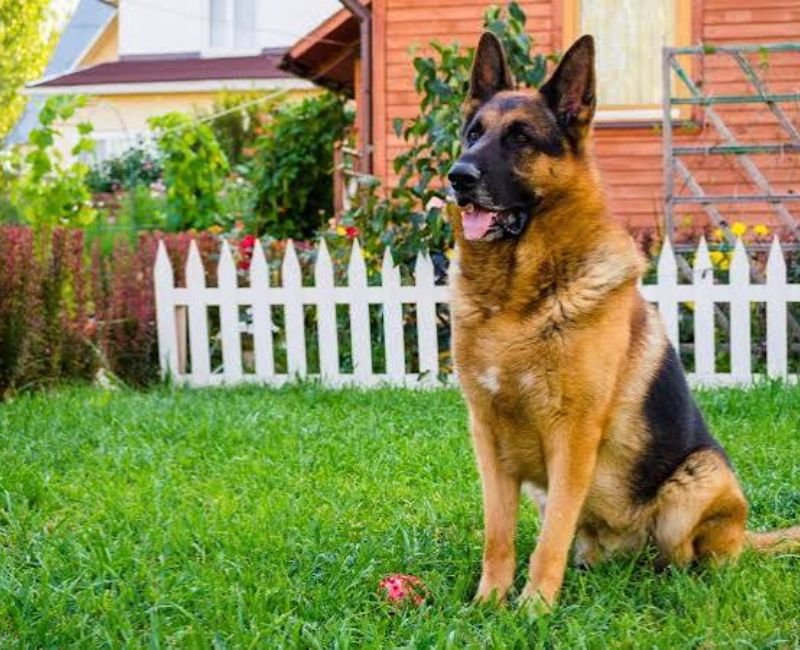
German Shepherds were developed as working and herding dogs, and many retain a natural tendency to notice unusual activity around them. They may become alert when someone approaches the home or when they encounter unfamiliar surroundings.
This protective awareness can be useful, but it should not be confused with uncontrolled aggression.
A confident, properly socialized German Shepherd should be able to remain calm in ordinary situations. The goal is not to encourage suspicion or hostility but to teach the dog how to respond appropriately.
How to manage this trait: Introduce your dog to different people, places, and everyday situations in a positive and controlled way. Reward calm behavior and teach reliable commands such as recall and settle.
4. Confidence and Courage
A well-bred and properly raised German Shepherd often displays confidence when exploring new environments or handling familiar challenges.
Confidence can be seen in the way a dog walks, investigates objects, responds to training, and interacts with its surroundings. A confident dog is generally more comfortable learning new things.
However, confidence should not be mistaken for fearlessness. German Shepherds can experience fear, stress, and uncertainty like other dogs.
How to manage this trait: Give your dog positive experiences, avoid forcing it into frightening situations, and introduce new environments gradually. Patient training helps build trust and emotional stability.
5. High Trainability and Willingness to Work
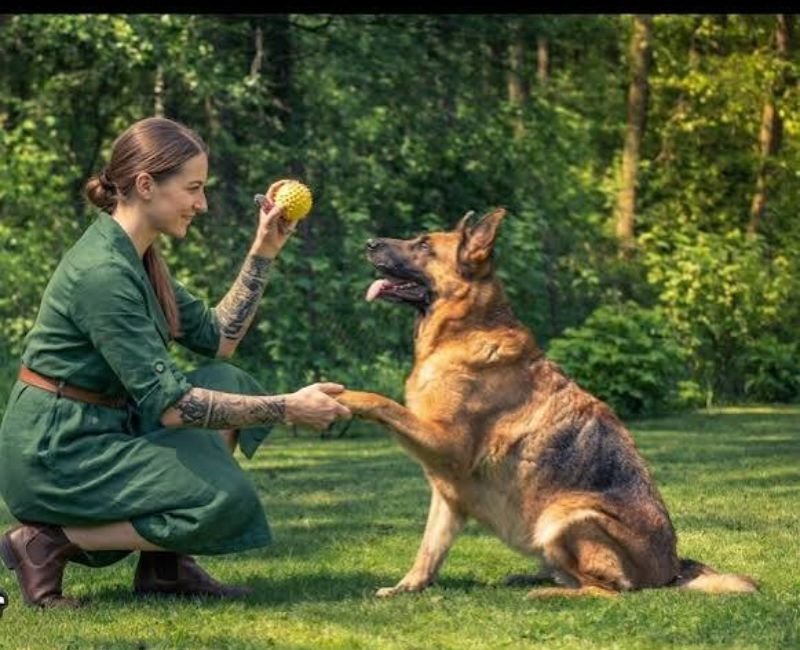
German Shepherds are often eager to learn when training is clear, consistent, and rewarding. Their ability to follow instructions has made them valuable in many working roles.
They can learn basic household manners, obedience commands, tracking activities, and more advanced tasks. Many also enjoy having a regular job, even if that job is simply carrying a toy, practicing commands, or completing a scent game.
Still, trainability does not mean every German Shepherd will obey perfectly. Training takes time, repetition, and patience.
How to manage this trait: Use reward-based methods, keep sessions short and interesting, and practice commands in different environments. Consistency among family members is also important.
6. Alertness and Watchfulness
German Shepherds are often attentive to sounds, movements, and changes in their surroundings. They may notice a visitor arriving, a noise outside, or an unfamiliar object before their owner does.
This alert nature is helpful in working environments, but it can sometimes lead to frequent barking or difficulty relaxing.
For example, a dog that hears every passing vehicle may bark repeatedly if it has not learned how to settle after noticing the sound.
How to manage this trait: Teach a calm response to everyday noises. Reward quiet behavior and provide a comfortable resting area where your dog can relax without constantly monitoring the surroundings.
7. Affectionate and Playful Nature

Although German Shepherds have a serious working-dog reputation, many are playful and affectionate with people they know well.
They may enjoy playing fetch, carrying toys, receiving attention, or relaxing beside their owners after an active day. Some are naturally more cuddly, while others prefer staying nearby without constant physical contact.
Their affection can also depend on their upbringing and individual temperament.
How to manage this trait: Spend quality time together through play, gentle interaction, and training. Respect your dog’s body language and allow it to choose when it wants attention.
8. High Energy and Athletic Ability
German Shepherds are active dogs that generally need regular physical activity. A short walk may not be enough to satisfy a healthy adult dog’s daily needs.
Many enjoy walking, hiking, retrieving toys, structured play, and other activities that allow them to move and explore.
When their energy needs are not met, some dogs may become restless or develop destructive habits. However, excessive exercise, especially for growing puppies, is not appropriate either.
How to manage this trait: Build an age-appropriate routine that includes walks, play, training, and rest. Adjust activity according to your dog’s health, fitness, and veterinary guidance.
9. Strong Working and Herding Instincts
German Shepherds have a history as herding and working dogs. Some still show behaviors connected to these instincts, such as following movement, watching groups of people, or attempting to guide moving animals.
For example, a dog may chase a running bicycle, follow children as they move around, or become overly interested in other fast-moving objects.
These behaviors do not automatically mean the dog is being disobedient. They may reflect natural instincts that need appropriate direction.
How to manage this trait: Provide structured games, obedience training, and suitable activities that encourage focus. Teach impulse control and reward your dog for calmly watching movement without chasing.
10. Caution Around Unfamiliar People
Some German Shepherds are naturally reserved when meeting strangers. Rather than approaching everyone immediately, they may observe from a distance before becoming comfortable.
This behavior is different from aggression. A dog can be cautious without being dangerous, and a dog’s response depends on its experiences and temperament.
Owners should avoid forcing interactions or allowing strangers to crowd a nervous dog.
How to manage this trait: Use positive socialization from an early age and allow introductions to happen gradually. Reward relaxed behavior and give your dog enough space to feel comfortable.
11. Curiosity and Mental Stimulation Needs
German Shepherds often enjoy exploring their surroundings. They may investigate new smells, examine unfamiliar objects, and show interest in activities happening around them.
This curiosity can make everyday walks more interesting, but it also means that repetitive routines may not provide enough mental engagement.
A dog that has nothing interesting to do may find its own entertainment, which can sometimes involve unwanted behavior.
How to manage this trait: Rotate suitable toys, practice scent-based games, introduce simple training challenges, and allow safe opportunities to explore during walks.
12. Sensitivity to Training, Handling, and Environment
German Shepherds are not all emotionally identical. Some are confident and outgoing, while others are more sensitive to loud noises, unfamiliar people, harsh handling, or sudden changes in routine.
A sensitive dog may become hesitant during training or uncomfortable in busy environments. Harsh punishment can make fear and uncertainty worse.
Understanding your dog’s body language is an important part of responsible ownership.
How to manage this trait: Use patient, reward-based training and create predictable routines. Watch for signs of stress, such as avoiding interaction, tucked posture, repeated lip licking, or attempts to move away.
German Shepherd Temperament: What Are They Really Like?
The typical German Shepherd temperament is often described as intelligent, confident, alert, loyal, and hardworking. Many enjoy having a close relationship with their family and a clear purpose in their daily routine.Understanding a German Shepherd’s personality is an important part of responsible ownership. For more information about its strengths, loyalty, intelligence, and daily care needs, explore our guide to German Shepherd qualities, personality, strengths, and care.
However, a German Shepherd is not automatically calm, friendly, protective, or obedient in every situation. Its behavior develops through a combination of inherited tendencies and life experiences.
A properly socialized dog may be comfortable around visitors, other animals, and unfamiliar environments. Another dog of the same breed may need more time and guidance before feeling relaxed.
It is also important to understand the difference between protective behavior and aggression. Watching the door, noticing unfamiliar sounds, or standing close to an owner does not automatically mean a dog is aggressive. Growling, lunging, snapping, or biting should be taken seriously and assessed with help from a qualified professional.
Are German Shepherds Friendly With Families and Children?
Many German Shepherds can become loving family companions. They often enjoy participating in household activities and may form strong relationships with children and adults.
Their size, strength, and energy mean that interactions with young children should always be supervised. Even a friendly dog can accidentally knock over a small child during play.
Children should also learn not to pull a dog’s ears or tail, disturb it while eating, or approach it when it is sleeping.
A successful family relationship depends on teaching both the dog and the children how to interact safely and respectfully.
Are German Shepherds Good With Strangers and Other Dogs?
German Shepherds can learn to behave appropriately around unfamiliar people and other dogs, but their reactions vary.
Some are naturally sociable, while others are more reserved. Early positive socialization can help them become comfortable with different people, environments, and experiences.
When introducing a German Shepherd to another dog, choose a calm setting and allow both animals to approach at a comfortable pace. Avoid forcing contact or assuming that two dogs will automatically become friends.
If your dog regularly reacts with intense fear, lunging, or aggression, seek guidance from a qualified force-free trainer or veterinary behavior professional.
Common Challenging Traits of German Shepherds

German Shepherds have many positive qualities, but their needs can create challenges for owners who are not prepared.
Here are some common issues and ways to manage them:
Excessive Barking
Their alert nature can make them responsive to noises and unfamiliar activity. Teach a calm response and reward quiet behavior rather than shouting at the dog.
Separation-Related Distress
Some German Shepherds become anxious when left alone. Gradual alone-time training, enrichment, and a predictable routine may help. Severe or persistent distress should be discussed with a veterinarian or qualified behavior professional.
Chewing and Destructive Behavior
Boredom, stress, and normal puppy development can contribute to chewing. Provide safe chew toys, supervise your dog, and make sure it receives enough appropriate activity.
Chasing and Herding Behavior
Some German Shepherds may chase moving objects or attempt to control movement. Teach impulse control, use suitable games, and manage situations where chasing could be dangerous.
Overexcitement and Jumping
An energetic dog may jump when greeting people. Reward four paws on the floor and teach an alternative greeting behavior.
Overprotectiveness
Poor socialization or fear can contribute to inappropriate reactions around unfamiliar people. Avoid encouraging aggressive guarding and seek professional support if the behavior becomes difficult to manage.
High Exercise and Attention Needs
German Shepherds generally need daily activity, interaction, and mental stimulation. They may not be a good fit for owners who cannot provide enough time and consistent care.
How German Shepherd Traits Change From Puppyhood to Adulthood
A German Shepherd’s behavior can change as it grows. Understanding these developmental stages can help owners set realistic expectations.
Puppy stage: Young puppies are curious, playful, and still learning how to interact with the world. Early socialization, gentle handling, and basic training are especially important.
Adolescent stage: During adolescence, some dogs become more energetic, distracted, or independent. Previously learned commands may need regular practice, and patience is essential.
Adult stage: Many adult German Shepherds become more settled as they mature, although their exercise, training, and social needs continue throughout life.
Senior stage: Older dogs may become less physically active and need adjustments to exercise, diet, and daily routines. Changes in behavior can sometimes signal pain or illness, so veterinary advice is important.
There is no single timeline that applies to every dog. Genetics, health, environment, and individual development all play a role.
How to Bring Out the Best Traits in a German Shepherd
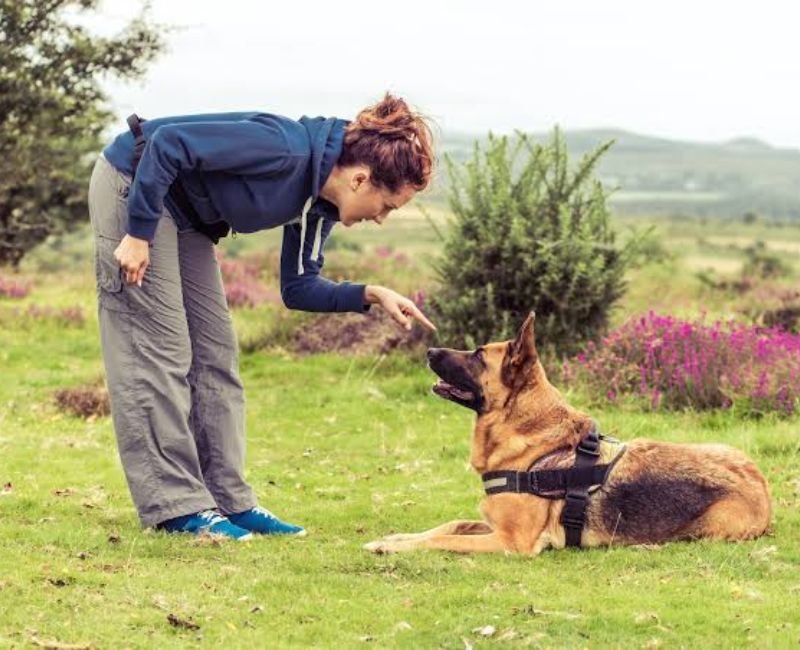
A German Shepherd’s natural abilities are most useful when supported by responsible ownership. The following habits can help your dog become a confident and well adjusted companion.Proper nutrition is essential for maintaining your German Shepherd’s energy, muscle strength, and overall health. Read our complete guide to German Shepherd food and nutrition to learn about balanced diets, feeding schedules, and suitable food choices.
Start Socialization Early
Introduce your puppy to different sounds, surfaces, people, and everyday situations in a safe and positive way. Socialization should continue throughout adulthood.
Use Positive Reinforcement
Reward-based training helps your dog understand which behaviors are desirable. Use treats, toys, praise, and play to make learning enjoyable.
Provide Daily Physical Exercise
Regular walks, appropriate play, and structured activities help support physical fitness. Adjust exercise according to age, health, and individual needs.
Include Mental Activities
Scent games, food puzzles, obedience practice, and interactive toys can help keep an intelligent dog mentally engaged.
Maintain Consistent Rules
All family members should use similar commands and expectations. Conflicting rules can make learning confusing.
Give Your Dog Time to Rest
An active dog also needs enough sleep and quiet time. Avoid keeping your German Shepherd constantly stimulated throughout the day.
Support Its Health
Routine veterinary checkups, suitable nutrition, grooming, and dental care all contribute to a dog’s overall well being.
Are German Shepherd Traits Suitable for First Time Owners?

German Shepherds can be suitable for some first-time owners, but they are not always the easiest breed for beginners.
Their intelligence and trainability can make learning enjoyable, but their energy, size, working instincts, and need for consistent guidance require commitment.
A first-time owner should consider the following questions:
- Can I provide daily exercise and mental stimulation?
- Do I have time for regular training and socialization?
- Can I manage a strong, active dog safely?
- Am I prepared for grooming, food, and veterinary expenses?
- Can I provide companionship without encouraging unhealthy dependence?
If you can meet these responsibilities and are willing to learn about dog behavior, a German Shepherd may become a rewarding companion. If your schedule is very busy or you prefer a low-energy dog, another breed may be a better match.
German Shepherd Traits: Pros and Cons
| Positive traits | Possible challenges |
| Intelligent and quick to learn | Needs regular mental stimulation |
| Loyal and family-oriented | May become overly dependent |
| Alert and observant | Can bark frequently |
| Athletic and energetic | Requires daily exercise |
| Often eager to work | Needs consistent training |
| Can be affectionate and playful | Individual dogs may be reserved |
| Versatile working abilities | May show chasing or herding behaviors |
The important thing is to understand both sides before choosing this breed. A German Shepherd’s strengths are easier to enjoy when its needs are properly understood.
Frequently Asked Questions About German Shepherd Traits
1. What are the most common traits of a German Shepherd?
Common German Shepherd traits include intelligence, loyalty, confidence, alertness, trainability, protectiveness, and high energy. Individual dogs may show these traits differently depending on their genetics, upbringing, and experiences.
2. Are German Shepherds naturally protective?
Many German Shepherds have natural alert and protective tendencies. However, responsible socialization and training are important to help them respond calmly and appropriately to unfamiliar people and situations.
3. Are German Shepherds affectionate with their owners?
Yes, many German Shepherds form strong bonds with their owners and enjoy spending time with them. Their preferred level of physical affection varies from one dog to another.
4. Are German Shepherds aggressive by nature?
No breed should be assumed to be automatically aggressive. German Shepherd behavior is influenced by genetics, socialization, training, health, and environment. Fear, poor handling, and inadequate socialization can contribute to behavioral problems.
5. Do German Shepherds get along with children?
Many can live successfully with children when they are properly socialized and taught appropriate behavior. Adult supervision is essential, particularly with young children, because German Shepherds are large and energetic dogs.
6. Are German Shepherds difficult to train?
They are generally considered trainable and intelligent, but they still require patience, consistency, and positive reinforcement. Training should continue throughout their lives.
7. Do German Shepherds need a lot of attention and exercise?
Yes. Most German Shepherds need regular physical activity, mental challenges, training, and social interaction. Their daily routine should also include enough rest and relaxation.
Final Thoughts
The traits of a German Shepherd make this breed an impressive companion for people who understand its needs. Intelligence, loyalty, confidence, alertness, and working ability are among its most recognized qualities. At the same time, its energy and natural instincts require responsible training, socialization, and daily attention.
A German Shepherd does not become a well-behaved companion simply because of its breed. The relationship you build through patience, consistency, positive experiences, and proper care plays an important role in shaping its behavior. When its needs are understood and respected, a German Shepherd can become a loyal and rewarding part of the family.