
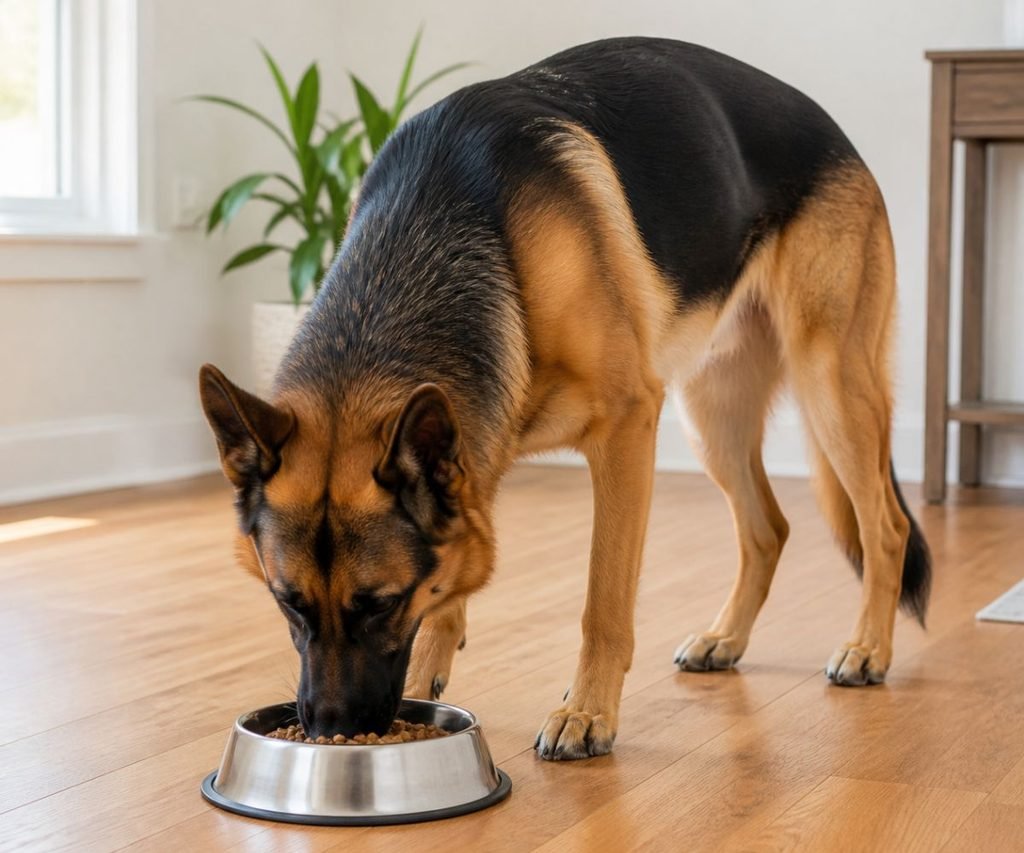
German Shepherds Food plays an important role in maintaining your dog’s health, energy, and overall well-being. Choosing the right diet helps support strong muscles, healthy digestion, a shiny coat, and proper growth. Whether you have a German Shepherd puppy or an adult dog, understanding their nutritional needs can help you make better feeding decisions.
Before exploring their dietary needs, you can also learn more about German dog breeds and their characteristics to understand the unique qualities of these dogs. In this guide, we’ll explore the best food choices, feeding schedules, nutritional requirements, and foods German Shepherds should avoid.
What Should German Shepherds Eat?

German Shepherds need a complete and balanced diet that provides all the essential nutrients in appropriate amounts. A good quality commercial dog food formulated for your dog’s life stage is a practical option for many owners.
A balanced diet generally includes the following nutrients.
1. Protein
Protein supplies amino acids that help maintain muscles, support tissue repair, and perform many important functions in the body.
Look for a complete dog food that provides adequate protein for your dog’s age and activity level. Ingredients may include chicken, beef, fish, turkey, or other animal and plant protein sources.
A higher protein percentage does not automatically mean that a food is better. The overall nutritional balance and quality control of the product matter.
2. Healthy Fats
Fats provide concentrated energy and help the body absorb certain vitamins. They also supply essential fatty acids that support healthy skin and coat condition.A healthy coat is an important part of overall dog care. Learn more about the Black German Shepherd’s appearance, coat, and care needs in our detailed breed guide.
Some dog foods contain fish oil or other sources of omega 3 fatty acids. These may be useful components of a balanced diet, but supplements should not be added without considering the dog’s existing food and veterinary needs.
3. Carbohydrates
Carbohydrates provide energy and can contribute useful nutrients and fiber. Common sources include rice, oats, potatoes, and other grains or vegetables.
There is no need to assume that all grains are harmful to dogs. The suitability of a food depends on the complete formulation and the individual dog’s health.
4. Vitamins and Minerals
Vitamins and minerals support many body functions, including bone development, metabolism, and immune function.
Calcium and phosphorus are particularly important during growth. German Shepherd puppies need an appropriately balanced large breed growth diet rather than extra calcium supplements.
5. Fiber
Fiber supports normal digestive function and helps maintain healthy stool quality. Some dog foods include ingredients such as beet pulp or other fiber sources.
The right amount varies by the complete diet and the dog’s digestive health.
6. Fresh Water
Water is essential for digestion, circulation, temperature regulation, and other body functions.
Keep clean, fresh water available throughout the day. Do not restrict water as a routine way to control urination or prevent digestive problems.
Best Types of Food for German Shepherds
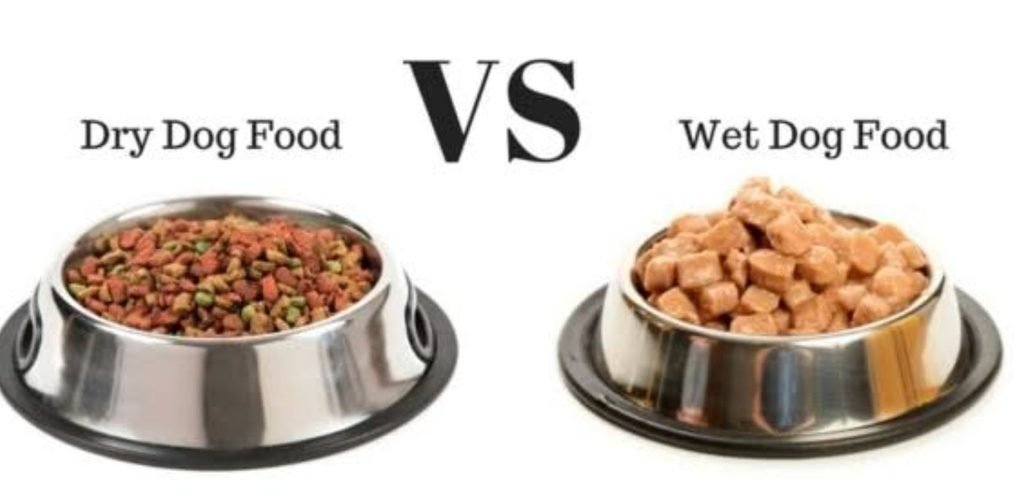
German Shepherd owners can choose from several feeding options. Each has advantages and limitations.
Dry Dog Food
Dry dog food, commonly called kibble, is convenient to store, easy to measure, and available in different life stage formulations.
Advantages:
- Easy to portion and store.
- Usually convenient for everyday feeding.
- Available in puppy, adult, and other specialized formulations.
- Can be used in food puzzles and training activities.
Things to consider:
- Calorie content varies between products.
- Some dogs may prefer a different texture.
- The nutritional adequacy statement and feeding instructions should be checked.
Choose a complete and balanced food suitable for your dog’s life stage rather than selecting kibble based only on its packaging or advertising.
Wet Dog Food
Wet food usually contains more moisture than dry food and may be appealing to dogs that prefer a softer texture.
Advantages:
- Higher moisture content.
- Often appealing to picky eaters.
- Can be easier for some dogs to chew.
Things to consider:
- It may cost more per calorie.
- Opened food requires proper refrigeration and storage.
- Portion sizes differ from dry food because moisture content varies.
Wet food can be fed alone if it is complete and balanced for the dog’s life stage. It can also be combined with dry food, provided the total calories are controlled.
Fresh or Cooked Dog Food
Some owners prefer preparing meals at home or purchasing fresh dog food.
Home-prepared diets can be appropriate when they are carefully formulated to meet the dog’s nutritional requirements. However, simply combining meat, rice, and vegetables does not create a complete diet.
A veterinary nutritionist should formulate a homemade diet, including the correct amounts of vitamins, minerals, and other essential nutrients.
Raw Dog Food
Raw feeding is sometimes promoted as a more natural option, but it is not automatically healthier or safer.
However, these diets may carry bacterial contamination risks and can be nutritionally unbalanced if they are not properly formulated. Such risks may affect both dogs and people in the household.
Discuss any interest in raw feeding with a veterinarian or board-certified veterinary nutritionist before changing your dog’s diet.
Best Food for German Shepherd Puppies
German Shepherd puppies grow quickly, and their diet needs careful attention. A suitable large-breed puppy food helps provide the nutrients required for controlled growth and healthy development.
Choose a food that is specifically formulated for growth, including the growth of large-size dogs where the nutritional adequacy statement requires it.
Important Nutritional Needs for Puppies
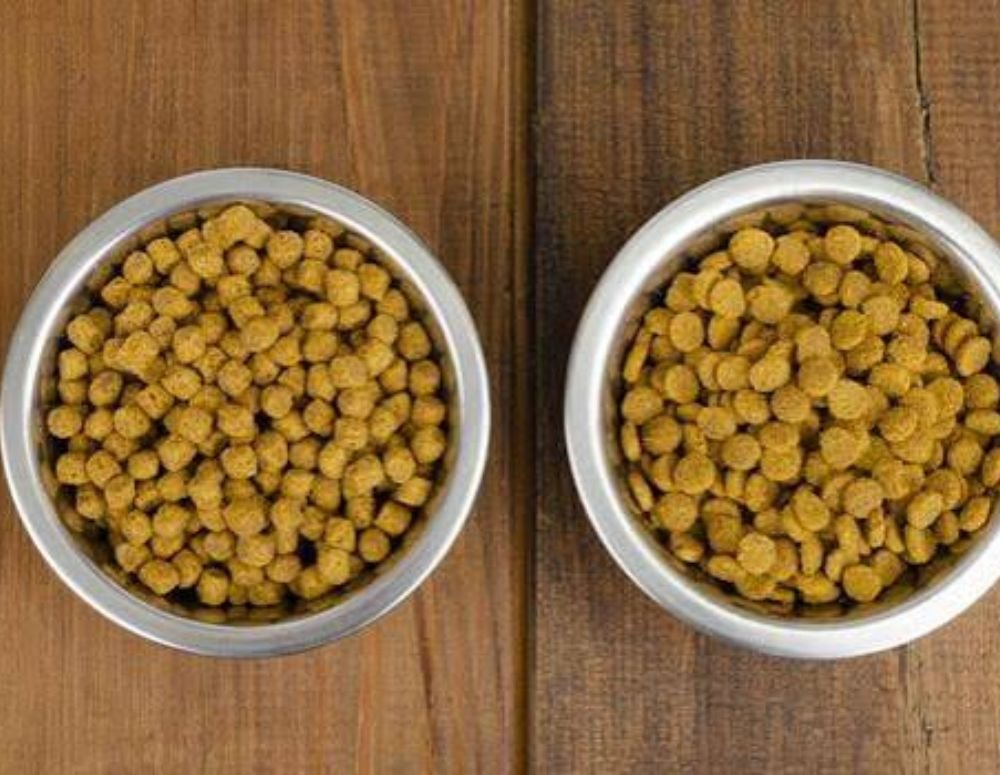
A German Shepherd puppy needs:
- Balanced protein to support developing muscles and tissues.
- Appropriate calories to support steady growth.
- Carefully balanced calcium and phosphorus.
- Essential fatty acids and other nutrients.
- Fresh water throughout the day.
Large-breed puppies should not be encouraged to grow as quickly as possible through excessive feeding. Overfeeding and unnecessary mineral supplementation can interfere with healthy development.
Veterinary guidance is especially useful when selecting a diet for a puppy with unusual growth patterns or health concerns.
How Often Should You Feed a German Shepherd Puppy?
Puppies generally need more frequent meals than adult dogs because their daily food allowance is divided into smaller portions.
A practical starting routine is:
| Puppy age | General meal routine |
| Around 8–12 weeks | 3–4 meals daily |
| Around 3–6 months | 3 meals daily |
| Around 6–12 months | Usually 2–3 meals daily, depending on the puppy |
These are general guidelines, not strict rules. Follow the food manufacturer’s instructions and your veterinarian’s advice for your puppy’s growth and individual needs.
When Should a German Shepherd Switch to Adult Food?
German Shepherds are large dogs and may take longer to reach physical maturity than small breeds.
Do not switch to adult food based only on a birthday. The appropriate timing depends on the puppy’s growth, body condition, and the food’s formulation. Ask your veterinarian when your dog is ready to transition.
Best Food for Adult German Shepherds

An adult German Shepherd needs a complete diet that maintains a healthy weight, supports muscle condition, and provides enough energy for daily activity.
Choose a food formulated for adult maintenance or another appropriate life stage.
What Should an Adult German Shepherd Eat?
A suitable adult diet should provide:
- Adequate protein for muscle maintenance.
- Appropriate fat and calorie levels.
- Essential vitamins and minerals.
- Suitable fiber for digestive health.
- Fresh water every day.
The right food depends on how active your dog is. A working German Shepherd that exercises for several hours may need more calories than a less active family companion.German Shepherds are intelligent, active, and hardworking dogs that need proper nutrition alongside regular physical and mental activity. Read our guide to German Shepherd qualities, personality, strengths, and care to understand their behavior, exercise needs, and daily care.
Avoid increasing portions simply because your dog seems hungry. Instead, monitor body condition and adjust food with veterinary guidance.
Best Food for Senior German Shepherds
As German Shepherds get older, their activity levels, muscle condition, and health needs may change.
Some senior dogs need fewer calories because they are less active. Others may need a different nutritional approach because of medical conditions or muscle loss.
A senior dog may benefit from a diet that supports:
- Healthy body weight.
- Muscle maintenance.
- Digestive health.
- Appropriate calorie intake.
- Any specific veterinary dietary requirements.
There is no rule that every dog must change to senior food at a particular age. Choose a diet based on the dog’s actual health and nutritional needs.
How Much Food Should a German Shepherd Eat Daily?
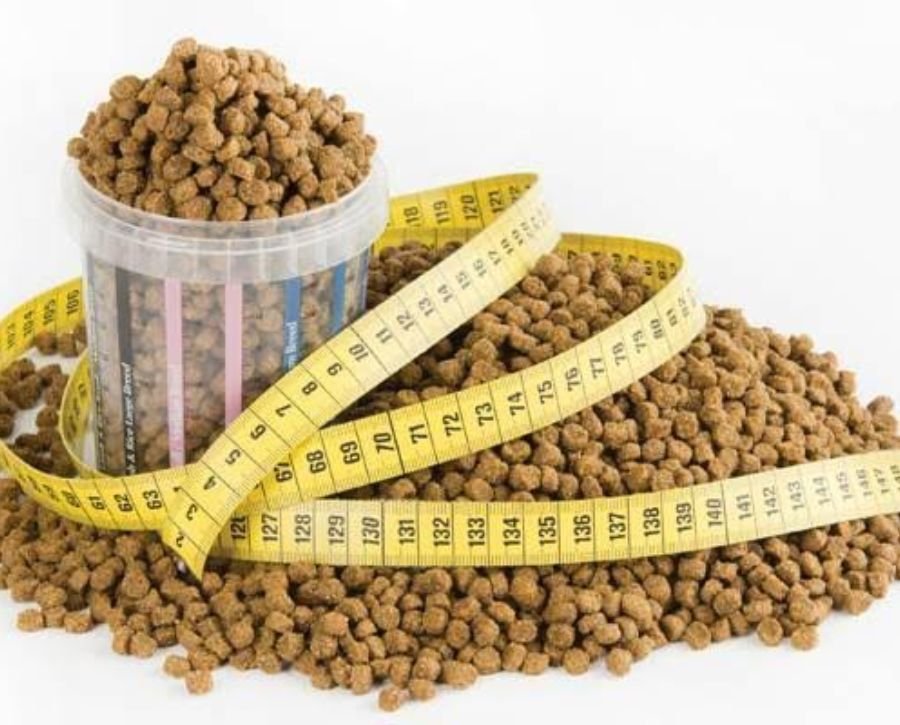
The correct amount of food depends on several factors:
- Age and current body weight.
- Activity level.
- Body condition.
- Whether the dog is neutered.
- Calorie content of the food.
- Pregnancy, medical conditions, or other special needs.
For this reason, there is no single cup measurement that is correct for every German Shepherd.
How to Work Out the Right Portion
Start by checking the feeding guide on your chosen dog food. The packaging usually provides a starting amount based on body weight or life stage.
Next, check the food’s calorie content. Two foods may have different calories per cup, so the same volume will not necessarily provide the same energy.
For example, if a food contains 350 calories per cup and your veterinarian recommends 1,400 calories per day from that food, the starting amount would be four cups daily. This is only an example of the calculation, not a feeding recommendation for every German Shepherd.
Divide the daily amount into suitable meals and include treats in the total calorie allowance.
Monitor Your Dog’s Body Condition
Your dog’s body condition is more useful than relying on a fixed feeding chart alone.
A dog at a healthy body condition generally has:
- Ribs that can be felt without pressing hard.
- A visible waist when viewed from above.
- An abdominal tuck when viewed from the side.
If your German Shepherd is gaining excess weight, losing weight unexpectedly, or showing changes in appetite, speak with a veterinarian. Adjust portions based on professional advice and regular monitoring.
German Shepherd Feeding Schedule
A consistent feeding routine can make everyday care easier and help owners monitor appetite.
Many adult German Shepherds do well with their daily food divided into two meals. Puppies generally need more frequent meals.
A simple adult routine might look like this:
| Time | Feeding activity |
| Morning | First measured meal |
| Afternoon | Walk, training, or suitable activity |
| Evening | Second measured meal |
| Throughout the day | Fresh water and measured training treats |
The exact times can be adjusted to suit your household.
Why Meal Size and Eating Speed Matter
German Shepherds are large, deep-chested dogs and can be at risk of gastric dilatation-volvulus (GDV), commonly called bloat.
GDV is a life-threatening emergency in which the stomach becomes distended and may twist. Feeding habits and other factors can influence risk, although no routine can guarantee prevention.
Consider these sensible precautions:
- Divide the daily food allowance into multiple meals rather than one very large meal.
- Use a suitable slow-feeding method if your dog eats extremely quickly.
- Avoid strenuous exercise immediately before and after meals.
- Keep feeding time calm and avoid competition with other dogs.
- Ask your veterinarian whether your dog’s family history or body type increases its risk.
Warning signs can include a swollen abdomen, repeated unsuccessful attempts to vomit, excessive drooling, restlessness, and obvious discomfort. Seek emergency veterinary care immediately if you notice these symptoms. Do not wait to see whether they disappear.
Cornell University and the American Animal Hospital Association provide further information about GDV and its risk factors.
Best Food for German Shepherds With Sensitive Stomachs
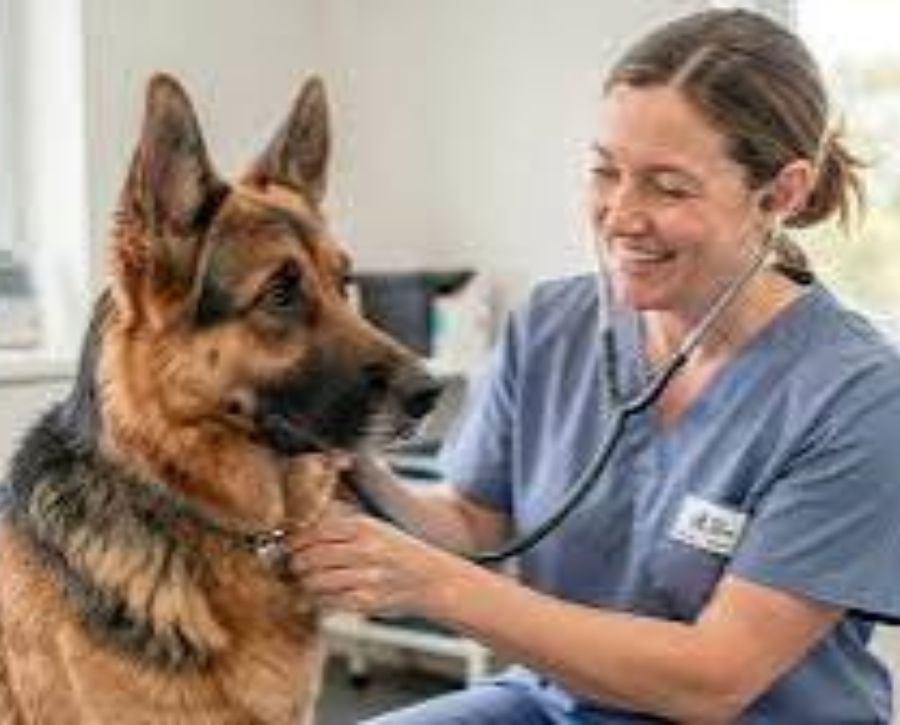
Some German Shepherds experience digestive problems, but not every digestive symptom means the dog has a food allergy or food intolerance.
Possible causes include:
- Sudden changes in food.
- Eating unsuitable table scraps.
- Food intolerance.
- Parasites or infections.
- Other gastrointestinal or medical conditions.
How to Support Digestive Health
If your dog has mild digestive changes and is otherwise well, consider reviewing its recent food changes and treats.
When changing from one complete food to another, introduce the new food gradually over several days or longer if needed. A sudden change can upset some dogs’ digestion.
Monitor:
- Stool consistency.
- Appetite.
- Vomiting.
- Energy levels.
- Weight changes.
A veterinarian can help determine whether the problem is related to food or another medical condition.
What If Your German Shepherd Has a Food Allergy?
Food allergies require proper assessment. Skin irritation, recurring ear problems, and digestive symptoms can have several possible causes.
A veterinarian may recommend a carefully controlled elimination diet using a suitable prescription or specially formulated food. During this process, other foods and treats may need to be avoided.
Do not repeatedly change protein sources or start restrictive diets without professional guidance.
Persistent diarrhea, repeated vomiting, blood in the stool, poor appetite, or unexplained weight loss should be assessed by a veterinarian.
Ingredients to Look for in German Shepherd Food
When comparing dog food products, look beyond the front of the package. A professional-looking label or an attractive ingredient list does not prove that a food is nutritionally complete.
1. Check the Nutritional Adequacy Statement
Look for a statement confirming that the food is complete and balanced for the appropriate life stage under the relevant nutritional standards in your country.
For products using AAFCO standards, check whether the food is formulated for growth, adult maintenance, or all life stages. Large-breed puppy growth suitability is particularly important for growing German Shepherds.
2. Check Calorie Content
The calorie information helps you measure portions accurately.
A food with more calories per cup may require a smaller serving than a less energy-dense food.
3. Look at the Manufacturer’s Quality Standards
Consider whether the company can explain:
- Who formulates its food.
- How it checks nutritional quality.
- What quality-control procedures it uses.
- Whether it can provide reliable nutritional information.
4. Consider Your Dog’s Individual Needs
A food that suits one German Shepherd may not suit another. Age, activity, body condition, digestive health, and veterinary recommendations should all influence your choice.
Do not choose food only because it is marketed as premium, grain-free, natural, or breed-specific.
Foods German Shepherds Should Avoid
Some common human foods can be toxic to dogs. Keep these items out of your German Shepherd’s reach.
| Food | Why it is dangerous |
| Chocolate | Contains substances that can cause poisoning |
| Grapes and raisins | Can cause serious kidney injury |
| Onions and garlic | Can damage red blood cells |
| Xylitol | Can cause dangerous low blood sugar and other serious effects |
| Alcohol | Can cause poisoning |
| Macadamia nuts | Can cause weakness, vomiting, and other symptoms |
| Raw yeast dough | Can expand in the stomach and produce alcohol |
Other foods, including very fatty leftovers and heavily salted snacks, can also cause problems.
If your dog eats a potentially toxic food, contact a veterinarian or animal poison service immediately. Do not wait for symptoms to appear. The ASPCA provides a useful reference list of foods to avoid feeding pets.
Common German Shepherd Feeding Mistakes
Even owners who care deeply about their dogs can make feeding mistakes. Avoiding the following problems can help support a healthier routine.
1. Overfeeding
Giving too much food can lead to excess weight. Measure portions instead of guessing, and include treats in the daily calorie allowance.
2. Changing Food Too Quickly
A sudden diet change may cause digestive upset in some dogs. Introduce new food gradually unless your veterinarian advises otherwise.
3. Feeding an Unbalanced Homemade Diet
Meat, rice, and vegetables may look like a healthy meal, but they do not automatically provide every essential nutrient. Use a recipe formulated by a veterinary nutritionist.
4. Giving Too Many Treats
Treats are useful for training, but they also contain calories. Keep them limited and account for them when planning daily food portions.
5. Adding Supplements Without Advice
Extra calcium, vitamins, minerals, or other supplements may be unnecessary or harmful when a dog already receives a balanced diet.
Ask a veterinarian before adding supplements.
6. Ignoring Changes in Appetite or Weight
A sudden appetite change or unexplained weight loss can indicate an underlying health problem. Do not assume that every change is caused by the food.
How to Maintain a Healthy Weight
Maintaining a healthy weight is important for a German Shepherd’s mobility, comfort, and general well-being.
Start by measuring meals consistently and checking your dog’s body condition regularly.
Useful habits include:
- Feed measured portions.
- Keep treats under control.
- Provide regular, age-appropriate exercise.
- Avoid frequent high-calorie table scraps.
- Monitor weight over time.
- Arrange veterinary checks when weight changes unexpectedly.
If your German Shepherd is overweight, avoid crash diets or sudden food restriction. A veterinarian can recommend a safe calorie target and an appropriate weight-management diet.
Frequently Asked Questions
1. What is the best food for German Shepherds?
The best food is a complete and balanced diet suitable for your dog’s age, health, activity level, and body condition. Choose a reliable product with appropriate nutritional information rather than relying only on brand popularity.
2. How much food should a German Shepherd eat per day?
The daily amount depends on weight, age, activity, body condition, and the food’s calorie content. Follow the package as a starting point and ask your veterinarian to help determine the right portion.
3. What should a German Shepherd puppy eat?
A German Shepherd puppy should eat a complete and balanced large-breed puppy food formulated for growth. Avoid excessive feeding and calcium supplements unless a veterinarian recommends them.
4. How many times a day should I feed my German Shepherd?
Puppies usually need three or four smaller meals when young, gradually moving to fewer meals as they mature. Many adult dogs are fed twice daily. Your veterinarian can recommend a suitable routine for your dog.
5. Is rice good for German Shepherds?
Plain, properly cooked rice can be suitable for many dogs in small amounts, provided it is served without harmful seasonings. However, rice alone is not a complete diet and should not replace balanced dog food.
6. What is the best food for a German Shepherd with a sensitive stomach?
The right choice depends on the cause of the digestive problem. Some dogs may benefit from a veterinary-recommended highly digestible or special diet. Persistent symptoms need veterinary assessment rather than repeated food changes.
7. Can German Shepherds eat homemade food?
Yes, but a homemade diet must be properly formulated to provide all essential nutrients. A recipe developed with a veterinary nutritionist is safer than simply combining meat, rice, and vegetables.
8. Which foods are toxic to German Shepherds?
Chocolate, grapes, raisins, onions, garlic, xylitol, alcohol, and macadamia nuts are among the foods that can be dangerous to dogs. Contact a veterinarian immediately if your dog eats a potentially toxic substance.
Final Thoughts
Choosing the right German Shepherd food is about providing balanced nutrition that matches your dog’s age, weight, activity, and health. Puppies need carefully managed growth nutrition, adults need suitable maintenance diets, and senior dogs may need adjustments based on their changing needs.
Measure meals, monitor body condition, provide fresh water, and avoid unsafe human foods. Most importantly, speak with your veterinarian whenever your dog has ongoing digestive problems, unusual weight changes, or special dietary requirements.
A thoughtful feeding routine can help your German Shepherd stay healthy, active, and comfortable throughout its life.