
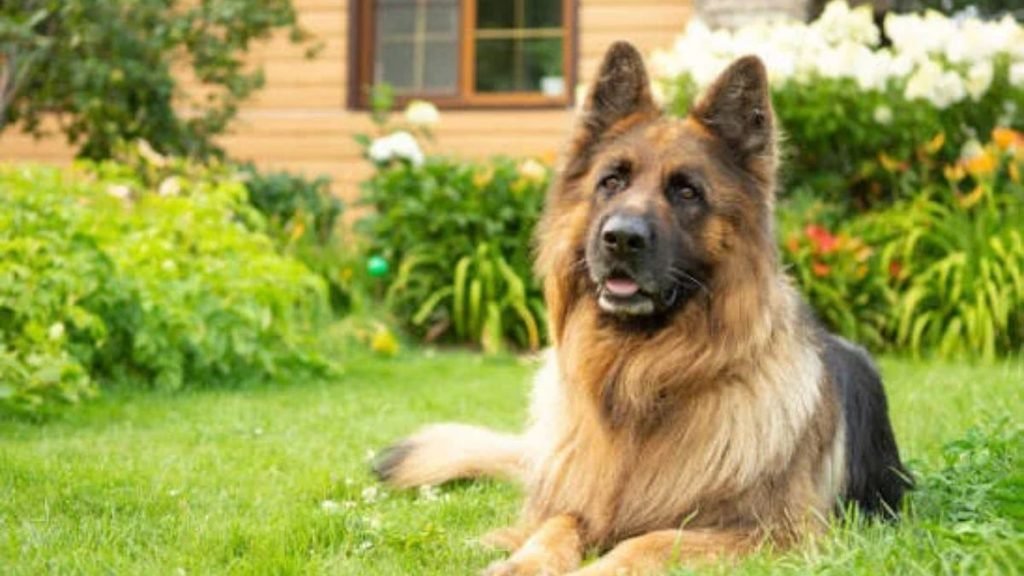
A German Shepherd is a large, intelligent working dog originally developed in Germany for herding and protecting sheep. Today, the breed is known for much more than herding. German Shepherds are commonly kept as family companions and are also used in police work, search and rescue, service work, detection, and other demanding roles.
Their intelligence, loyalty, athletic build, and ability to learn make them one of the most versatile working breeds. However, owning a German Shepherd also requires time, training, exercise, socialization, and regular care.
If you are thinking about getting one, understanding the breed’s history, personality, physical characteristics, exercise needs, grooming, and health can help you decide whether a German Shepherd is right for your lifestyle.
German Shepherd at a Glance
| Characteristic | Details |
| Breed name | German Shepherd Dog |
| Origin | Germany |
| Original purpose | Herding and working |
| Size | Large |
| Coat | Double coat |
| Temperament | Intelligent, loyal, alert, confident |
| Energy level | High |
| Trainability | Generally highly trainable |
| Lifespan | Commonly around 9–13 years |
| Exercise needs | Regular physical and mental activity |
| Grooming | Moderate, with significant shedding |
Individual dogs can differ considerably in size, temperament, health, and energy level.
Where Did the German Shepherd Come From?
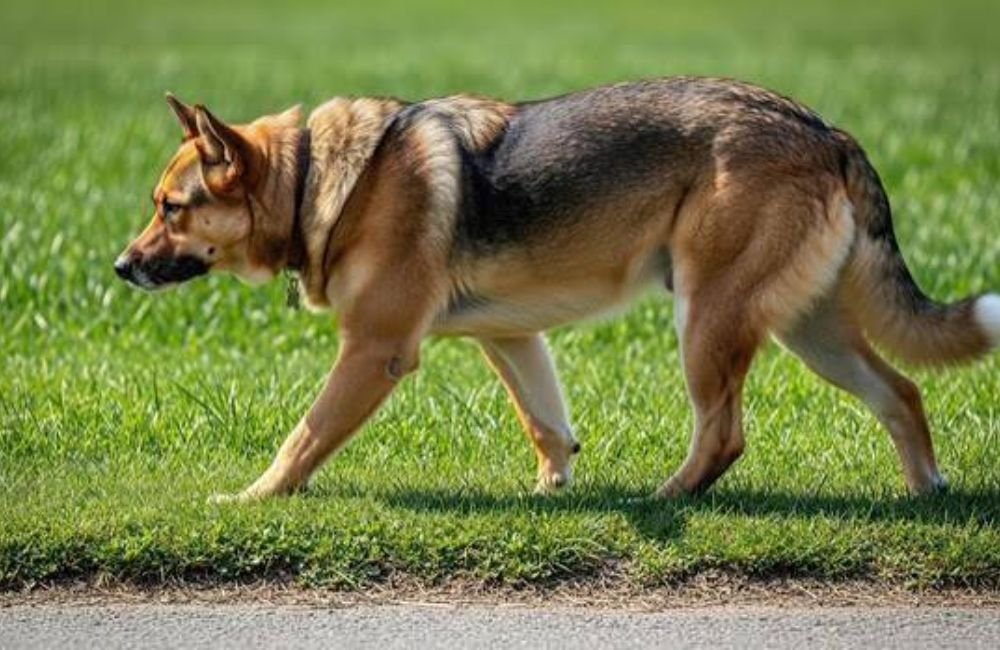
The German Shepherd originated in Germany during the late 19th century. The breed was developed from regional shepherd dogs selected for useful working qualities such as intelligence, strength, endurance, and the ability to respond to human direction.
A major figure in the development of the modern German Shepherd was Max von Stephanitz. He believed that working ability should be an important part of the breed’s development and helped establish a more consistent type.
Although German Shepherds were initially associated with herding and guarding livestock, their abilities allowed them to move into many other areas of work. Their intelligence and physical ability made them useful for tasks requiring obedience, endurance, detection, and close cooperation with people.
Over time, the breed became popular around the world and developed a reputation as a versatile working and companion dog.
What Does a German Shepherd Look Like?

German Shepherds have a strong, athletic appearance. Their bodies are built for movement and endurance rather than simply size.
A typical German Shepherd has:
- A strong, well-defined body
- Upright ears
- A long muzzle
- A bushy tail
- A dense double coat
- A muscular appearance
- A balanced and athletic structure
Their coat can appear in several recognized color patterns. Black and tan is one of the most familiar combinations, but German Shepherds can also have other colors and patterns.
Some German Shepherds have shorter coats, while others have longer coats. Coat length can influence grooming requirements, but all German Shepherds can shed considerably.
How Big Does a German Shepherd Get?
German Shepherds are considered a large dog breed. Adult size varies depending on genetics, sex, nutrition, health, and other factors.
Males are generally larger and heavier than females. A healthy adult German Shepherd should have a strong but athletic appearance rather than excessive body weight.
Because puppies grow rapidly, proper nutrition and veterinary guidance are especially important during the growing stage. Keeping a young German Shepherd at an appropriate body condition is more important than trying to make the puppy grow as large as possible.
What Is a German Shepherd’s Personality Like?
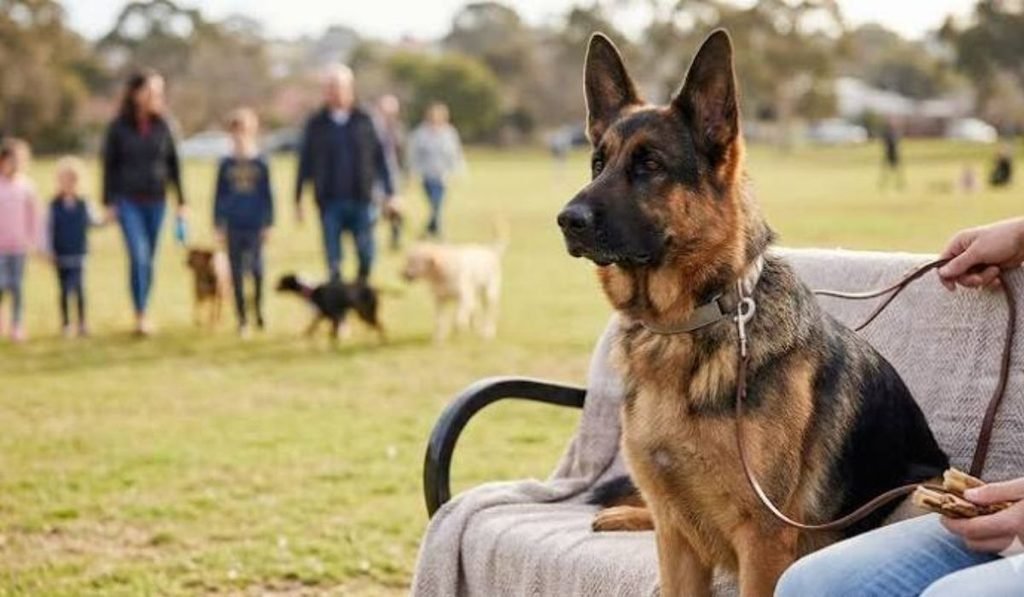
One of the main reasons people are attracted to German Shepherds is their personality.
They are generally intelligent, attentive, loyal, and willing to work. A well-socialized German Shepherd can form a strong relationship with its family and enjoy participating in everyday activities.
However, the breed should not be described as automatically friendly, aggressive, or protective in every situation. Individual temperament can vary.
A dog’s behavior is influenced by several factors, including:
- Genetics
- Early socialization
- Training
- Environment
- Previous experiences
- Daily exercise
- Relationship with its owner
German Shepherds can be naturally alert, which means they may notice unfamiliar people or unusual situations quickly. Good socialization and responsible training help them learn how to respond appropriately.
Are German Shepherds Good Family Dogs?
A German Shepherd can be a suitable family companion for households that understand the breed’s needs.
They often enjoy spending time with their owners and can become closely attached to their families. Their intelligence also allows them to participate in training, games, outdoor activities, and other forms of interaction.
However, they are not a low-maintenance breed.
Families should be prepared to provide:
- Daily physical activity
- Consistent training
- Mental stimulation
- Early socialization
- Regular grooming
- Veterinary care
- Plenty of interaction
Young children should always be supervised around dogs, regardless of breed. Parents should also teach children how to interact respectfully with a dog.
The important question is not simply whether German Shepherds are “good family dogs.” It is whether the household can provide the training, exercise, supervision, and care that an individual German Shepherd needs.
How Intelligent Is a German Shepherd?
German Shepherds are well known for their intelligence and working ability.
They can learn commands, routines, and behaviors when training is consistent and appropriate. Their willingness to work with people is one reason they are used in many professional roles.
But intelligence does not mean that training happens automatically.
A German Shepherd needs clear communication and regular practice. Without enough physical activity or mental stimulation, some dogs may become bored and develop unwanted behaviors.
Useful activities include:
- Obedience training
- Scent games
- Puzzle toys
- Fetch
- Structured walks
- Recall practice
- Learning new commands
- Appropriate dog sports
Mental exercise can be just as important as physical exercise for an active working breed.
How Much Exercise Does a German Shepherd Need?
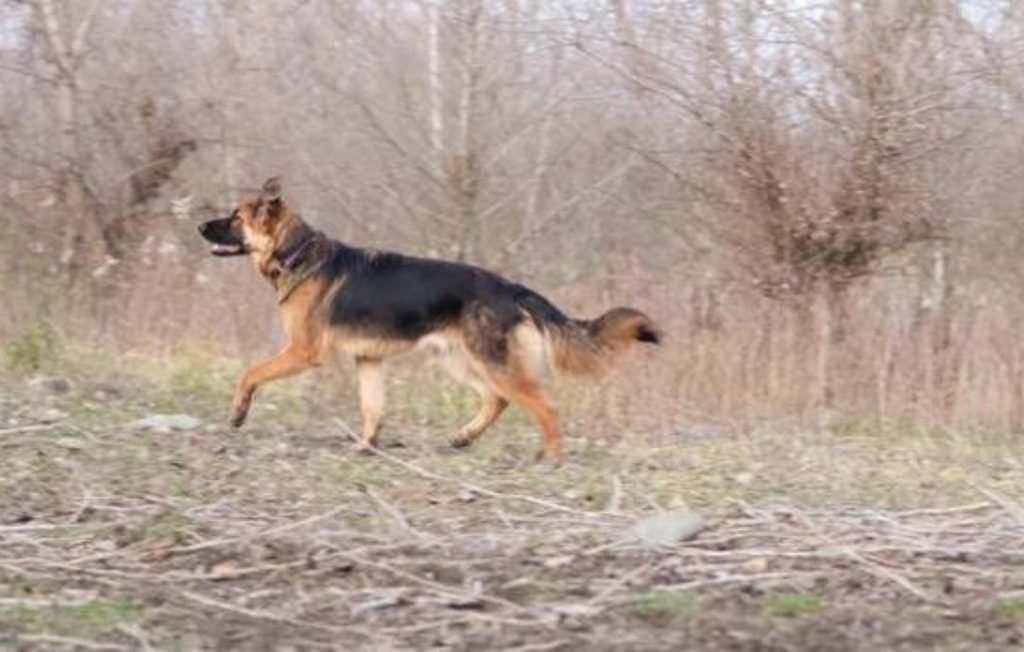
German Shepherds are active dogs and generally need regular exercise.
A suitable routine may include walks, play, training, and mentally stimulating activities. The exact amount of exercise depends on the dog’s age, health, fitness, and individual energy level.
Puppies need a different approach from healthy adults. Their developing bodies should not be pushed into excessive or inappropriate exercise. Senior dogs may also need shorter and gentler activities.
Instead of focusing only on a specific number of minutes, pay attention to your dog’s age, body condition, behavior, and ability to recover from activity.
A good routine can combine:
- Daily walks
- Controlled play
- Training sessions
- Scent and exploration activities
- Appropriate off-leash exercise in safe areas
A German Shepherd generally benefits from having a purpose or activity to focus on rather than spending most of the day without stimulation.
How Do You Train a German Shepherd?
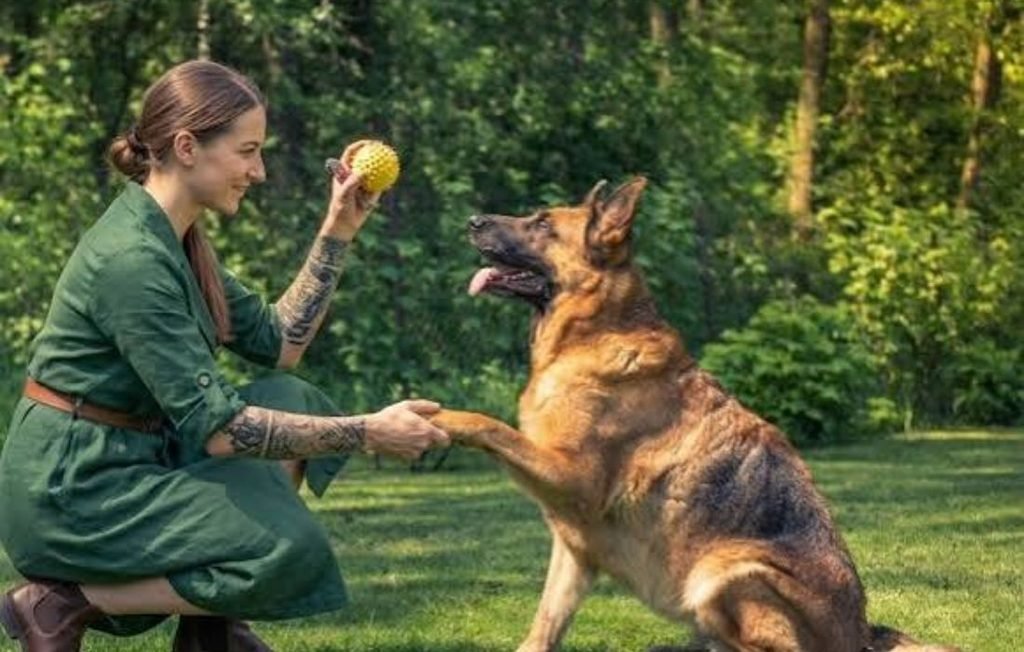
Training should begin early and continue throughout the dog’s life.
German Shepherds usually respond well to consistent, reward-based training. The goal is to teach the dog what behavior is expected and reinforce desirable responses.
Important early skills include:
- Name recognition
- Recall
- Sit and stay
- Loose-leash walking
- Leave it
- Impulse control
- Appropriate greetings
- Basic household manners
Socialization is also important. A young German Shepherd should gradually experience different people, environments, sounds, surfaces, and appropriate dogs in positive and controlled ways.
Training should be consistent among family members. If one person allows a behavior while another discourages it, the dog may become confused.
For serious behavior problems or difficult training situations, working with a qualified, humane professional trainer can be helpful.
How Much Grooming Does a German Shepherd Need?

German Shepherds have a double coat and are known for shedding.
Regular brushing can help remove loose hair and keep the coat in better condition. During heavier shedding periods, owners may notice considerably more hair around the home.
Basic grooming should include:
- Regular brushing
- Occasional bathing when needed
- Nail trimming
- Ear checks
- Dental care
- Routine skin and coat checks
Bathing too frequently can unnecessarily dry the skin, so grooming should be based on the dog’s needs rather than a fixed schedule.
Regular brushing is particularly useful for owners who want to manage shedding and prevent loose hair from accumulating around the home.
What Health Problems Can German Shepherds Have?
Like every breed, German Shepherds can be affected by certain health conditions.
Some concerns associated with the breed include hip dysplasia, elbow dysplasia, degenerative myelopathy, and other health problems.
This does not mean that every German Shepherd will develop these conditions. Health depends on many factors, including genetics, breeding practices, nutrition, exercise, weight, environment, and veterinary care.
Responsible owners should arrange regular veterinary examinations and discuss appropriate preventive care with their veterinarian.
Maintaining a healthy body weight is particularly important for a large, active dog because excess weight can place additional stress on the joints.
If you are buying a German Shepherd puppy, researching the breeder’s health-testing practices and asking for appropriate health information about the parents can also help you make a more informed decision.
How Long Does a German Shepherd Live?
German Shepherds commonly live around 9 to 13 years, although individual lifespans vary.
Genetics play an important role, but everyday care also matters. A balanced diet, appropriate exercise, preventive veterinary care, healthy body weight, dental care, and a safe living environment can all contribute to a dog’s overall health and quality of life.
As a German Shepherd becomes older, its exercise and nutritional needs may change. Senior dogs may benefit from modified activity and more frequent veterinary monitoring.
What Do German Shepherds Eat?
A German Shepherd needs a complete and balanced diet appropriate for its life stage.
Puppies, adults, and senior dogs can have different nutritional requirements. Food amounts should also take into account the dog’s size, activity level, metabolism, and body condition.
Rather than feeding according to appearance alone, owners should monitor body condition and discuss nutritional needs with a veterinarian when necessary.
Fresh water should always be available.
If your German Shepherd has allergies, digestive problems, obesity, or another health concern, a veterinarian can help determine whether a specialized diet is appropriate.
Are German Shepherds Aggressive?
German Shepherds should not be automatically described as aggressive.
They are alert working dogs and may have protective instincts, but aggression is not an inevitable characteristic of the breed.
Behavior depends on many factors, including genetics, socialization, training, environment, and individual temperament.
Poor socialization, fear, inadequate training, stressful environments, or irresponsible breeding can contribute to behavior problems in individual dogs.
Responsible ownership focuses on teaching the dog appropriate behavior rather than encouraging unnecessary aggression.
Are German Shepherds Good With Children?
A well-socialized and appropriately trained German Shepherd can live successfully with children.
However, every dog is an individual, and children should always be supervised when interacting with dogs.
Children should learn basic rules such as:
- Do not pull the dog’s ears or tail.
- Do not disturb the dog while eating or sleeping.
- Do not climb on the dog.
- Give the dog space when it wants to move away.
- Avoid rough or frightening interactions.
Adults are responsible for managing the environment and teaching both children and dogs appropriate behavior.
Is a German Shepherd Right for You?
A German Shepherd can be a rewarding companion, but the breed requires commitment.
Before getting one, ask yourself:
- Can I provide daily exercise?
- Do I have time for regular training?
- Can I provide mental stimulation?
- Am I prepared for regular shedding?
- Can I afford routine and unexpected veterinary care?
- Can I provide proper socialization?
- Can I give the dog enough companionship and attention?
If the answer to these questions is yes, you may be better prepared for the responsibilities of owning an active working breed.
If you want a dog that requires very little exercise, training, or interaction, a German Shepherd may not match your lifestyle.
Frequently Asked Questions
What is a German Shepherd?
A German Shepherd is a large working dog breed that originated in Germany. It was originally developed for herding and has since become widely used as a companion and working dog.
Is a German Shepherd easy to train?
German Shepherds are generally highly trainable, but they still require consistent training, socialization, patience, and appropriate rewards.
Are German Shepherds aggressive?
Not necessarily. German Shepherds can be alert and protective, but individual behavior depends on genetics, socialization, training, environment, and temperament.
How big does a German Shepherd get?
German Shepherds are large dogs, with males generally larger than females. Adult size varies according to genetics and other factors.
How long does a German Shepherd live?
Many German Shepherds live around 9 to 13 years, although individual lifespan can vary.
Do German Shepherds shed a lot?
Yes. German Shepherds have double coats and can shed throughout the year, with heavier shedding during seasonal coat changes.
How much exercise does a German Shepherd need?
They generally need regular physical and mental activity. The appropriate amount varies according to age, health, fitness, and individual energy level.
Are German Shepherds good family dogs?
They can be good family companions when their needs for exercise, training, socialization, supervision, and companionship are properly met.
What were German Shepherds originally bred for?
The breed was originally developed in Germany primarily for herding and working with livestock, with an emphasis on useful working traits such as intelligence, endurance, and trainability.
Final Thoughts
So, what is the German Shepherd? It is much more than a large dog with a recognizable appearance. The German Shepherd is an intelligent, athletic, versatile working breed that has developed from a herding dog into a popular companion and professional working dog.
Its strengths can also create responsibilities. Intelligence means the dog needs mental stimulation. High energy means it needs appropriate exercise. Its size and strength make early training and socialization especially important.
For the right owner, a German Shepherd can become a loyal and highly engaged companion. The best way to enjoy the breed is to understand its needs before bringing one into your home and to provide consistent care throughout its life.
Pingback: German Shepherd Breed: Complete Guide to Characteristics
Pingback: German Shepherd Qualities: Traits, Temperament & Care
Pingback: Black German Shepherd: Traits, Care and Key Facts