
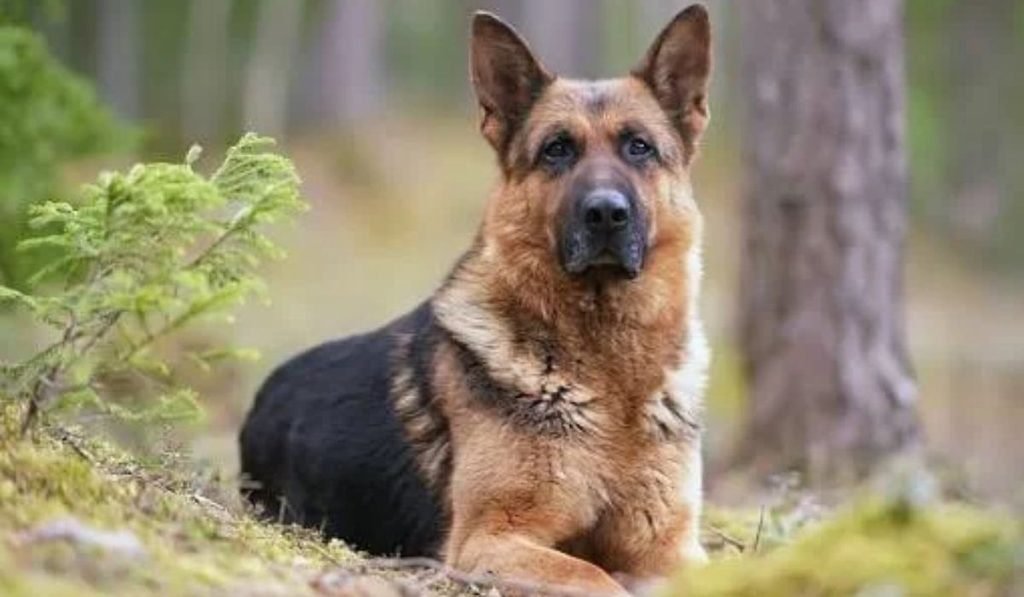
German dog breeds are known for their variety, intelligence, and different working abilities. From the loyal German Shepherd to the small and lively Dachshund, dogs originating in Germany come in many sizes, personalities, and activity levels. Some were developed for hunting, guarding, or herding, while others became popular companions.
However, choosing a dog should involve more than appearance or popularity. Every breed has different exercise requirements, grooming needs, training challenges, and health considerations. Understanding these differences can help you find a dog that fits your home and daily routine.
In this guide, you will discover 15 German dog breeds, learn about their main characteristics, and find practical advice for choosing the right companion.
What Are German Dog Breeds?
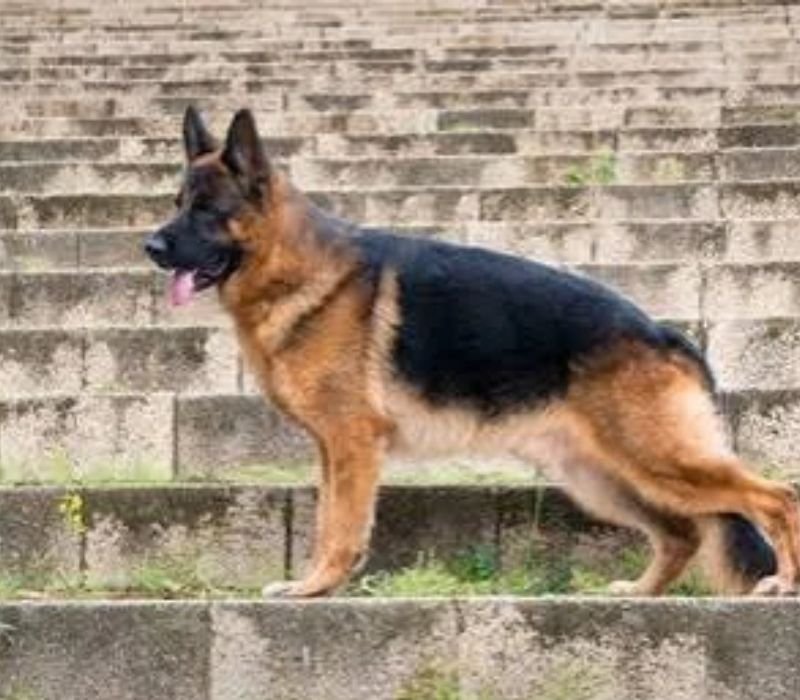
German dog breeds are breeds that originated in Germany or have a recognized historical connection to the country. They were developed for different purposes, including hunting, livestock work, protection, and companionship.Among all German dog breeds, the German Shepherd stands out for its intelligence, loyalty, and working abilities. Read our complete German Shepherd breed guide to learn about its history, appearance, temperament, training, and care requirements.
Germany has a diverse canine heritage. The country’s recognized breeds range from small companion dogs to powerful working dogs and athletic hunting breeds. The Verband für das Deutsche Hundewesen (VDH), Germany’s national canine organization, maintains information about breeds for which Germany is responsible for the official breed standards. Source: VDH.
It is important to understand that not every German breed is suitable for every household. A dog originally bred for demanding outdoor work may need more daily activity than someone with a quiet lifestyle can provide. Likewise, a small dog may still be energetic, independent, or vocal.
Before choosing a breed, consider your available time, living space, experience with dogs, and ability to meet its long term needs.
15 Popular German Dog Breeds and Their Characteristics
The following breeds illustrate the variety of dogs associated with Germany. Their general traits can help you narrow your choices, but individual dogs may differ depending on genetics, early experiences, training, and health.
1. German Shepherd
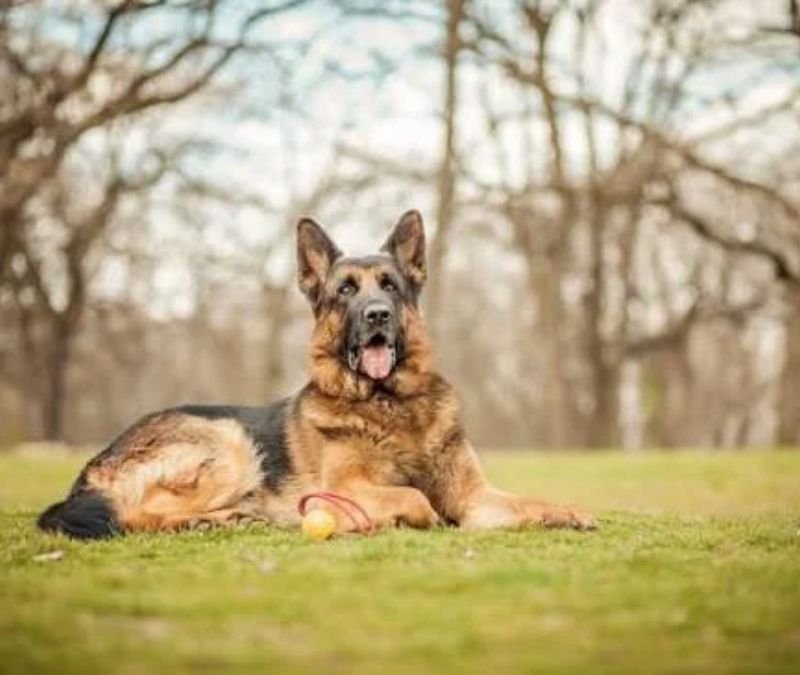
The German Shepherd is one of the best known German breeds. It was developed as a herding dog and is now widely associated with service, search-and-rescue, and other working roles.
Key characteristics:
- Size: Large
- Temperament: Intelligent, loyal, alert, and often confident
- Exercise: High; needs regular physical activity and mental challenges
- Grooming: Regular brushing because of shedding
- Training: Benefits from consistent, reward based training and early socialization
German Shepherds often form strong relationships with their families. However, their intelligence and energy mean they need more than a short daily walk. Training, interactive games, and suitable activities help keep them engaged.German Shepherds have many fascinating qualities that make them one of the most popular working and companion dogs. Discover more interesting details in our guide to 15 amazing facts about German Shepherds.
This breed may suit an active owner who has time to train and exercise a dog. It may be challenging for someone who cannot provide consistent attention and enrichment.
2. Dachshund
The Dachshund is recognizable by its long body and short legs. Its name comes from German words associated with badgers and dogs, reflecting its historical role in hunting animals in burrows.
Key characteristics:
- Size: Small to medium, depending on the variety
- Temperament: Curious, lively, courageous, and sometimes stubborn
- Exercise: Regular walks and play suited to its body
- Grooming: Varies between smooth, longhaired, and wirehaired coats
- Training: Patient, consistent training is helpful
Despite its small size, a Dachshund can be confident and independent. It may enjoy exploring, following scents, and investigating its surroundings.
Its long back requires particular care. Avoid encouraging repeated high jumps, and ask a veterinarian for guidance on maintaining a healthy weight and protecting its back.
A Dachshund may suit someone looking for a small but active companion who can provide training and appropriate exercise.
3. Rottweiler
The Rottweiler is a powerful working breed with a history associated with driving cattle and guarding. A well raised Rottweiler can be confident, devoted to its family, and calm in familiar surroundings.
Key characteristics:
- Size: Large and muscular
- Temperament: Confident, alert, and often affectionate with familiar people
- Exercise: Regular walks, structured play, and mental stimulation
- Grooming: Relatively straightforward; the short coat needs regular brushing
- Training: Early socialization and consistent guidance are essential
Because of its size and strength, the Rottweiler needs an owner who can manage and train it responsibly. Positive training should begin early, and interactions with children and unfamiliar people should always be handled thoughtfully.
This breed may be suitable for an experienced, committed owner who understands the responsibilities of raising a powerful dog. It is not the right choice simply because someone wants a protective-looking pet.
4. Doberman Pinscher
The Doberman Pinscher was developed in Germany and is known for its athletic build, alert expression, and close bond with its family.
Key characteristics:
- Size: Medium to large
- Temperament: Intelligent, attentive, energetic, and often people-oriented
- Exercise: High; needs regular activity and training
- Grooming: Low to moderate
- Training: Consistent, positive training and socialization are important
Dobermans generally do best when they receive regular interaction and opportunities to use their minds. They can become difficult to manage if their exercise, training, and companionship needs are overlooked.
Potential owners should also discuss breed-related health screening with a veterinarian and a responsible breeder.
A Doberman may suit an active person who has experience with dogs or is prepared to invest significant time in training and care.
5. Great Dane
The Great Dane is famous for its enormous size and often gentle appearance. Despite its impressive height, a well-socialized Great Dane may be affectionate and relaxed around its family.
Key characteristics:
- Size: Giant
- Temperament: Often friendly, affectionate, and attentive
- Exercise: Regular, age-appropriate walks and activity
- Grooming: Relatively low maintenance
- Training: Early manners and leash training are especially important
Living with a giant breed brings practical challenges. Food, veterinary treatment, transport, bedding, and suitable living space can cost more than they do for a small dog.
Great Danes also have breed-related health risks, including a higher risk of gastric dilatation-volvulus (bloat). Owners should discuss preventive care and warning signs with a veterinarian.
This breed may suit a household with sufficient room and the budget to care for a giant dog throughout its life.
6. Boxer
The Boxer is an athletic German breed known for its playful personality and expressive face. It often remains enthusiastic and energetic well into adulthood.
Key characteristics:
- Size: Medium to large
- Temperament: Playful, affectionate, and energetic
- Exercise: Regular activity and interactive play
- Grooming: Relatively easy, with occasional brushing
- Training: Benefits from consistency, patience, and reward-based methods
Boxers often enjoy spending time with their people and participating in family activities. Their excitement can sometimes make them boisterous, so teaching calm behavior and good leash manners is useful.
Because of their short muzzle, owners should pay attention to breathing, heat tolerance, and exercise conditions. Ask a veterinarian about breed-specific health screening.
A Boxer may suit an active household that enjoys play and can provide daily companionship.
7. Pomeranian
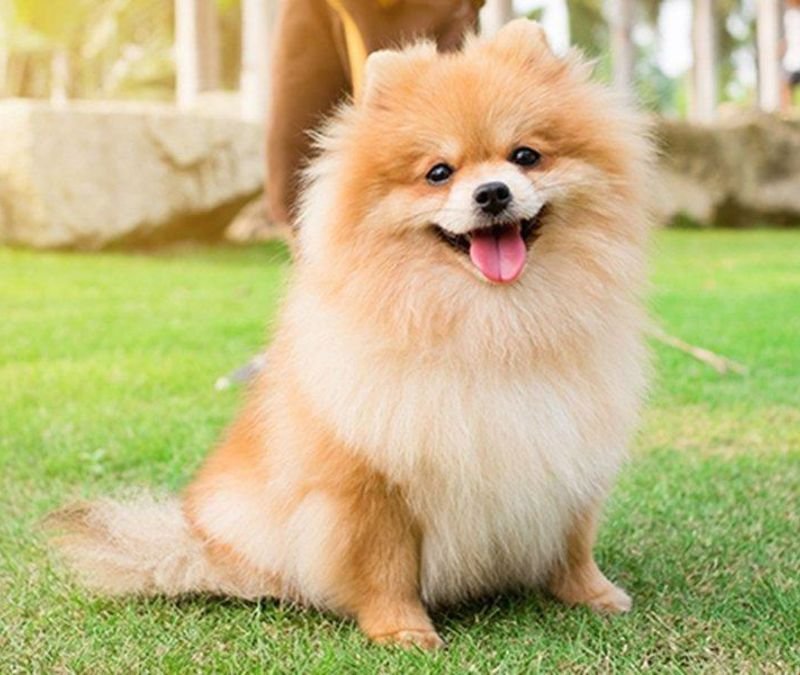
The Pomeranian, also known as the Zwergspitz in German breed terminology, is a small Spitz-type dog with a fluffy double coat and lively personality.
Key characteristics:
- Size: Toy or very small
- Temperament: Alert, curious, and often confident
- Exercise: Short walks and regular play
- Grooming: Frequent brushing to maintain the coat
- Training: Needs patient training and early socialization
Pomeranians may be small enough for many homes, but they still need attention, enrichment, and regular care. Some are vocal, particularly when they notice unfamiliar sounds or people.
Their small bodies can also be vulnerable to injury from rough handling or accidental falls. Supervise interactions with young children and teach children how to handle small dogs gently.
A Pomeranian may suit someone seeking a compact companion who is willing to manage its coat and training needs.
8. Standard Poodle
The Standard Poodle is commonly associated with France in popular culture, but its breed history has important German connections. It is widely known for its intelligence, athletic ability, and curly coat.
Key characteristics:
- Size: Medium to large
- Temperament: Intelligent, active, and often eager to learn
- Exercise: Regular physical activity and mental enrichment
- Grooming: High; the coat requires regular professional or careful home maintenance
- Training: Often responds well to reward-based training
Poodles need more than an elaborate haircut. They benefit from exercise, games, training, and regular coat care to prevent tangles and matting.
Their coat may shed less visibly than that of many other breeds, but no dog should automatically be considered completely hypoallergenic.
A Standard Poodle may suit an active household that enjoys training and is prepared for ongoing grooming expenses.
9. Miniature Schnauzer
The Miniature Schnauzer is a small, sturdy dog developed in Germany. Its distinctive eyebrows, beard, and alert expression make it easy to recognize.
Key characteristics:
- Size: Small
- Temperament: Lively, intelligent, and alert
- Exercise: Daily walks and play
- Grooming: Regular trimming and brushing
- Training: Benefits from consistency and activities that challenge its mind
Miniature Schnauzers can make engaging companions, but some are quick to bark when they hear unfamiliar noises. Training can help owners teach appropriate alerting behavior.
Regular grooming is important to maintain the coat, especially around the beard and legs. Their needs should not be underestimated simply because they are small.
This breed may suit someone looking for a lively companion who can provide daily interaction and grooming.
10. Standard Schnauzer
The Standard Schnauzer is a medium-sized German breed originally associated with farm work, including guarding property and managing vermin.
Key characteristics:
- Size: Medium
- Temperament: Alert, intelligent, and energetic
- Exercise: Moderate to high, with mental challenges
- Grooming: Regular brushing and coat maintenance
- Training: Needs clear boundaries and engaging activities
Standard Schnauzers can be independent thinkers. Training works best when it is consistent and rewarding rather than repetitive or harsh.
They may enjoy activities that involve scent work, problem-solving, and structured play. Without enough stimulation, some can develop unwanted habits.
This breed may suit an active owner who wants a capable companion and is comfortable working on training.
11. Giant Schnauzer
The Giant Schnauzer is the largest of the three recognized Schnauzer sizes. It was developed in Germany as a working dog and is known for its strength and intelligence.
Key characteristics:
- Size: Large
- Temperament: Alert, confident, and energetic
- Exercise: High
- Grooming: Regular coat care and trimming
- Training: Requires consistent training, socialization, and management
A Giant Schnauzer is not simply a larger version of a small companion dog. Its size, energy, and working instincts make training and daily activity especially important.
Potential owners should consider their experience, physical ability to manage a large dog, and access to appropriate training.
This breed is generally a better match for a prepared, active owner than for someone looking for a low-maintenance pet.
12. German Shorthaired Pointer
The German Shorthaired Pointer is an athletic hunting breed developed to locate and retrieve game. It is known for its energy, stamina, and interest in outdoor activities.
Key characteristics:
- Size: Medium to large
- Temperament: Active, intelligent, and enthusiastic
- Exercise: High, with opportunities to run safely and explore
- Grooming: Relatively low maintenance
- Training: Benefits from structured activities and recall training
This breed often needs substantial daily activity and mental engagement. A quick walk around the block may not be enough for an individual with strong working instincts.
Safe outdoor exercise, scent games, and training can help meet its needs. Its prey drive should also be considered in homes with small animals.
The German Shorthaired Pointer may suit an active owner who enjoys outdoor recreation and can offer regular structured exercise.
13. Weimaraner
The Weimaraner is an elegant German hunting breed, often recognized by its silver-gray coat and athletic body.
Key characteristics:
- Size: Medium to large
- Temperament: Energetic, intelligent, and often closely bonded to its people
- Exercise: High
- Grooming: Generally simple for the shorthaired variety
- Training: Needs consistency, socialization, and mental stimulation
Weimaraners often thrive when included in daily activities. They may struggle if left alone for long periods without sufficient exercise or enrichment.
Their strong hunting instincts can make reliable recall and careful management around wildlife especially important.
This breed may suit an active person who has time for exercise, training, and companionship.
14. Affenpinscher
The Affenpinscher is a small German companion breed with a distinctive face and a confident, sometimes comical personality.
Key characteristics:
- Size: Small
- Temperament: Curious, lively, and often bold
- Exercise: Daily walks and indoor play
- Grooming: Regular brushing and coat maintenance
- Training: Short, positive sessions are often useful
Affenpinschers are small, but they are not necessarily quiet or passive. They can be independent and may need patient training to develop good household manners.
Their small size means owners should protect them from rough play and accidental injury. Grooming needs will depend on the individual coat and the style maintained.
This breed may suit someone looking for a small companion with a lively personality and manageable exercise needs.
15. Leonberger
The Leonberger is a giant German breed developed as a companion and working dog. Its large frame and thick coat give it a striking appearance.
Key characteristics:
- Size: Giant
- Temperament: Often gentle, affectionate, and family-oriented
- Exercise: Regular, age-appropriate activity
- Grooming: High, particularly during heavy shedding
- Training: Early socialization and basic manners are important
Leonbergers need enough room to move comfortably and owners who can manage the costs of caring for a giant breed. Their coat requires regular attention, and their size makes good leash manners particularly useful.
As with other giant dogs, health, growth, weight management, and veterinary care deserve close attention.
A Leonberger may suit a household with adequate space, time for grooming, and a realistic budget for a very large dog.
German Dog Breeds at a Glance
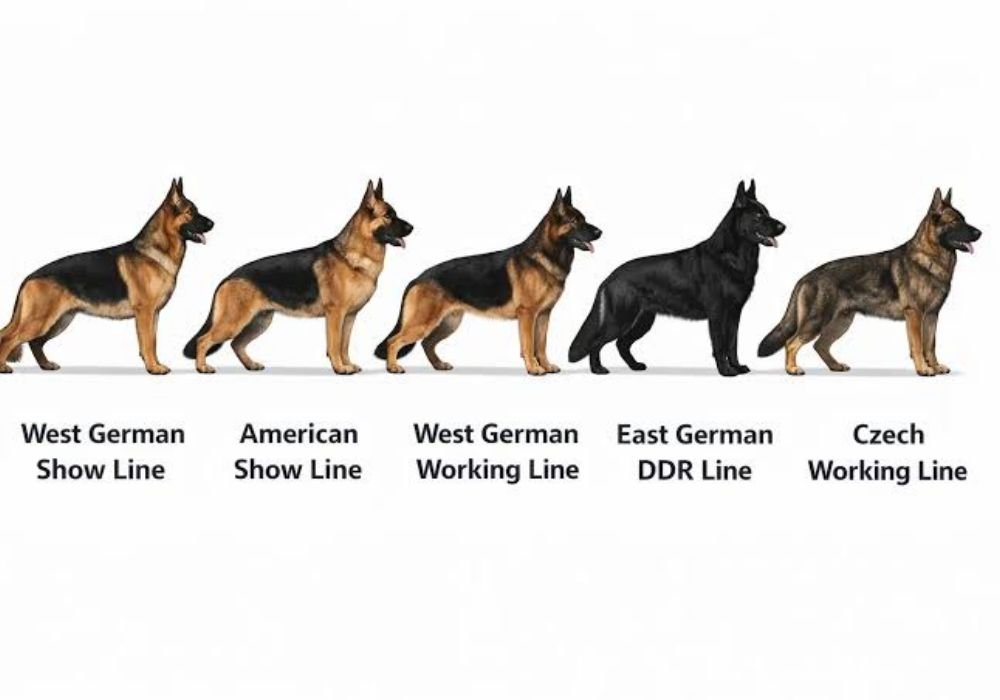
The following table provides a quick comparison. Energy and grooming levels are general guides rather than exact measurements for every individual dog.
| Breed | Size | General energy | Grooming |
| German Shepherd | Large | High | Moderate to high |
| Dachshund | Small to medium | Moderate | Depends on coat |
| Rottweiler | Large | Moderate | Low to moderate |
| Doberman Pinscher | Medium to large | High | Low |
| Great Dane | Giant | Moderate | Low |
| Boxer | Medium to large | High | Low |
| Pomeranian | Toy | Moderate | High |
| Standard Poodle | Medium to large | High | High |
| Miniature Schnauzer | Small | Moderate to high | High |
| Standard Schnauzer | Medium | Moderate to high | Moderate to high |
| Giant Schnauzer | Large | High | High |
| German Shorthaired Pointer | Medium to large | Very high | Low |
| Weimaraner | Medium to large | High | Low |
| Affenpinscher | Small | Moderate | Moderate |
| Leonberger | Giant | Moderate | High |
A breed’s actual needs depend on age, health, coat type, temperament, and lifestyle. Puppies, adult dogs, and senior dogs may need different routines.
Which German Dog Breed Is Right for You?
The best German dog breed is the one whose needs you can consistently meet. Use the following considerations to narrow your options.
Best German Dog Breeds for First-Time Owners
A first-time owner should look beyond reputation and consider trainability, exercise, grooming, size, and the availability of support.
Some individual dogs may be easier for a beginner to manage than others, regardless of breed. Meet the dog, ask about its behavior and history, and consider working with a qualified trainer.
Powerful working breeds such as the Rottweiler and Giant Schnauzer may require more experience and careful management. Highly energetic breeds can also be challenging if their daily activity needs do not match the owner’s routine.
German Dog Breeds for Families
A family should consider the dog’s temperament, the ages of the children, the amount of supervision available, and the time adults can devote to training.
Some German breeds may become affectionate family companions, but no breed is automatically safe with every child. Children should be taught to respect a dog’s space, avoid disturbing it while eating or sleeping, and interact gently.
Adults must supervise interactions, particularly with young children and large or powerful dogs.
German Dog Breeds for Apartments
Living in an apartment does not automatically rule out a particular breed, but it does require planning.
Consider:
- The dog’s exercise and enrichment needs
- Barking and sensitivity to noise
- Access to safe outdoor areas
- Building rules and any breed restrictions
- The dog’s size and ability to settle indoors
A small dog is not always low-energy, and a large dog is not always constantly active. Individual temperament and your ability to provide appropriate exercise are important.
German Dog Breeds for Active Owners
People who enjoy hiking, running, training, or outdoor activities may want to investigate athletic breeds such as the German Shorthaired Pointer, Weimaraner, or German Shepherd.
However, exercise must be suitable for the dog’s age and physical condition. Puppies should not be pushed into strenuous activity, and owners should seek veterinary guidance when uncertain about safe exercise levels.
German Dog Breeds for People Who Prefer Low Grooming Needs
Short-coated breeds such as the Doberman Pinscher, Boxer, and German Shorthaired Pointer generally require less coat maintenance than heavily coated breeds.
Low grooming does not mean no grooming. Dogs still need nail care, ear checks, dental care, and occasional brushing. Owners should also consider shedding, skin health, and the dog’s individual needs.
Small, Medium, and Large German Dog Breeds
Size affects everyday life, but it should not be the only factor in your decision.
Small breeds: The Dachshund, Pomeranian, Miniature Schnauzer, and Affenpinscher may need less physical space than giant dogs. However, they still require exercise, training, veterinary care, and safe handling.
Medium-sized breeds: The Standard Schnauzer and some hunting breeds may offer a balance of size and athletic ability, but their activity requirements can be substantial.
Large and giant breeds: The German Shepherd, Rottweiler, Great Dane, Giant Schnauzer, and Leonberger need owners who can manage their strength, space requirements, food expenses, and potential veterinary costs.
Before choosing a large breed, think about how you would handle leash walking, travel, housing, and medical care throughout the dog’s life.
What to Consider Before Getting a German Dog Breed
Bringing a dog home is a long-term commitment. Before making your decision, consider these important factors.
1. Daily Exercise and Mental Stimulation
Dogs need suitable physical activity as well as opportunities to explore, learn, and solve problems. The amount varies considerably between breeds and individuals.
Walking, training games, scent activities, and interactive play can all help meet a dog’s needs. Choose activities that are safe and appropriate for its age and health.
2. Training and Socialization
Training helps dogs learn household manners, respond to cues, and behave more safely in everyday situations. Start with manageable sessions and reward desirable behavior.
Gradual, positive exposure to different people, environments, sounds, and experiences can support social development. Avoid forcing a frightened dog into situations that overwhelm it.
3. Grooming and Shedding
Some dogs need only occasional brushing, while others require frequent coat maintenance and professional trimming.
Research the specific breed and coat variety before choosing. Regular grooming also provides an opportunity to check for skin irritation, mats, parasites, and other changes that may require attention.
4. Health and Veterinary Care
Different breeds can have different inherited health risks. Before choosing a puppy, ask the breeder about health testing appropriate for the breed and the health history of the parents.
Routine veterinary examinations, vaccinations as recommended, parasite prevention, dental care, appropriate nutrition, and weight management all contribute to responsible ownership.
No breed is free from health risks, and health testing cannot guarantee that a dog will never become ill.
5. Budget and Long-Term Commitment
The cost of owning a dog includes more than the purchase or adoption fee. Food, equipment, grooming, training, preventive care, emergency treatment, and boarding can add up over time.
Large and giant dogs may cost more to feed and treat. Long-coated dogs may require additional grooming expenses.
Make sure your budget and schedule can support the dog throughout its life, including changes in work, housing, and family circumstances.
6. Choosing a Responsible Breeder or Adoption Organization
If you choose to buy a puppy, look for a responsible breeder who prioritizes health, temperament, and suitable living conditions. Ask to review relevant health records and learn about the parents’ temperaments.
Avoid sellers who refuse reasonable questions, pressure you to buy immediately, or cannot explain how the puppies are raised.
Adoption may also be a good option. Rescue organizations and shelters can help you learn about an individual dog’s personality, history, and needs. An adult dog may be a suitable match for some households, depending on its background and behavior.
Are German Dog Breeds Good Family Pets?

Many German dog breeds can become valued family companions when their needs are understood and met. Their suitability depends on more than their country of origin or breed reputation.
A family should consider the dog’s energy level, temperament, training needs, size, and tolerance for a busy household. It is equally important to consider the family’s time, experience, and ability to supervise children.
A calm adult dog with a known history may be a better match for one household, while an energetic young dog may suit another. Meet the individual dog whenever possible and ask knowledgeable professionals for guidance.
No dog should be expected to tolerate rough handling, and young children should never be left unsupervised with a dog.
Frequently Asked Questions
1. What are the most popular German dog breeds?
German Shepherds, Dachshunds, Rottweilers, Doberman Pinschers, Boxers, and Great Danes are among the best-known German breeds. Popularity varies by country and registration system.
2. Which dog breeds originally came from Germany?
Examples include the German Shepherd, Dachshund, Rottweiler, Doberman Pinscher, Boxer, Great Dane, German Shorthaired Pointer, Weimaraner, and Schnauzer varieties. Germany’s canine heritage includes many other breeds as well.
3. Which German dog breed is best for a first-time owner?
There is no single best breed for every beginner. Look for an individual dog whose temperament, exercise needs, grooming requirements, and training demands fit your experience and lifestyle. A responsible rescue organization or knowledgeable breeder can help you assess suitability.
4. Are there small German dog breeds?
Yes. The Dachshund, Pomeranian, Affenpinscher, and Miniature Schnauzer are examples of small German breeds. Their personalities and care requirements differ, so research each breed before deciding.
5. Do German dog breeds need a lot of exercise?
Some do, particularly athletic working and hunting breeds. Others may have more moderate exercise needs. The right routine depends on the breed, the dog’s age, its health, and its individual energy level.
6. Are German dog breeds good with children?
Some can be excellent companions in suitable households, but breed alone cannot guarantee behavior. Training, socialization, supervision, and teaching children to interact respectfully are essential.
7. How do I choose the right German dog breed?
Start by evaluating your daily schedule, living space, budget, experience, and preferred activity level. Then compare breeds by temperament, exercise, grooming, training, and health considerations. Meeting an individual dog can help you make a more informed decision.
Final Thoughts
German dog breeds offer a wide range of choices, from small companions to powerful working dogs and energetic outdoor partners. Each breed has its own personality, care requirements, and potential challenges.
Before choosing a dog, look beyond its appearance and reputation. Consider how much time, exercise, training, grooming, and veterinary care you can provide. The right match is a dog whose needs fit your lifestyle and whose well being you can support for years to come.
Pingback: German Shepherds Food: A Complete Feeding Guide
Pingback: German Shepherd Characteristics: A Complete Guide