
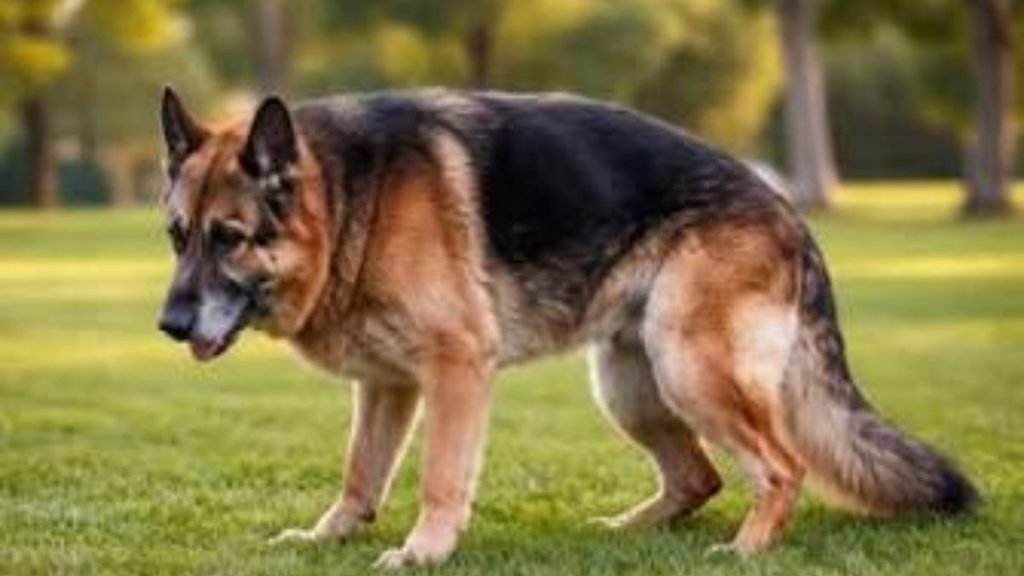
Understanding the characteristics german shepherd dogs are known for can help you decide whether this intelligent and loyal breed is right for your family. German Shepherds are admired for their strength, confidence, intelligence, and protective nature. They are highly trainable working dogs that can also become loving and devoted family companions when given proper training, exercise, and care.
Understanding German Shepherd characteristics can help you decide whether this breed is suitable for your home and lifestyle. These dogs are active, intelligent, and deeply connected to their families, but they also need regular exercise, consistent training, mental stimulation, and proper care.
In this guide, you will learn about the physical characteristics, personality, temperament, behavior, intelligence, exercise requirements, grooming needs, and common health concerns of German Shepherds.The German Shepherd is one of several remarkable dog breeds that originated in Germany. Explore our guide to German dog breeds and their characteristics to discover more breeds and their unique qualities.
1. Overview of German Shepherd Characteristics
The German Shepherd is a medium-to-large working dog originally developed in Germany. The breed was developed for herding and protecting livestock, but its intelligence and versatility later made it useful in many other working roles.
German Shepherds are recognized for their athletic bodies, upright ears, thick double coats, and confident personalities. They are generally alert, loyal, and eager to work when properly trained.
Here is a quick overview of the breed:
| Characteristic | Details |
| Origin | Germany |
| Breed type | Herding and working |
| Size | Medium to large |
| Male height | Around 24–26 inches |
| Female height | Around 22–24 inches |
| Male weight | Around 65–90 pounds |
| Female weight | Around 50–70 pounds |
| Average lifespan | Around 9–13 years |
| Coat | Double coat |
| Temperament | Loyal, confident, alert, intelligent |
| Energy level | High |
| Training | Generally highly trainable |
| Grooming | Regular brushing required |
Individual dogs may differ in size, temperament, activity level, and health. Their upbringing, genetics, training, and environment all influence their development.
Physical Characteristics of German Shepherd Dogs

One of the most noticeable German Shepherd characteristics is its strong and athletic appearance. This breed has a muscular body designed for endurance, speed, and physical activity.
Body Size and Build
German Shepherds have a well proportioned body with strong muscles and a deep chest. Their overall structure gives them an athletic appearance without making them look excessively heavy.
Males are usually larger and heavier than females. However, healthy body condition matters more than simply reaching a particular weight.
A healthy German Shepherd should have a visible waist when viewed from above and an appropriate abdominal tuck when viewed from the side.
Head and Facial Features
German Shepherds usually have a long, wedge-shaped head with a strong muzzle. Their facial expression often appears alert and confident.
Their dark, almond-shaped eyes give them an attentive appearance. The ears are typically medium-sized, pointed, and carried upright when the dog is mature.
Ears and Eyes
Upright ears are one of the breed’s recognizable features. German Shepherd puppies may have ears that change position while growing, and they do not always stand upright at the same age.
Their eyes are generally dark and expressive, helping create the breed’s familiar intelligent appearance.
Tail and Body Structure
German Shepherds have a bushy tail that usually hangs down in a gentle curve when relaxed. Their back and hindquarters contribute to their characteristic outline.
A balanced body structure is important for comfortable movement and everyday activity. Responsible breeders should prioritize sound movement and health rather than exaggerated physical features.
3. German Shepherd Coat Colors and Types

German Shepherds have a dense double coat that helps protect them in different weather conditions. The outer coat is generally firm and protective, while the undercoat provides insulation.Among the different coat variations, the solid black German Shepherd is especially striking. Learn more about its appearance, personality, and care requirements in our detailed Black German Shepherd guide.
Common German Shepherd Colors
Common coat colors and patterns include:
- Black and tan
- Black and red
- Black and cream
- Black and silver
- Sable
- Solid black
The exact shade and pattern can vary between individual dogs and bloodlines.
Some coat colors are less common and may be treated differently under particular breed standards. Anyone choosing a German Shepherd for showing or breeding should check the relevant kennel club’s official standard.
Short-Haired German Shepherds
Short-coated German Shepherds have a relatively close-lying outer coat. They still have a double coat and shed regularly.
Long-Haired German Shepherds
Long-coated German Shepherds have longer, softer looking hair, particularly around the ears, neck, tail, and rear legs.
4. German Shepherd Personality and Temperament
Both coat types need regular grooming. A longer coat may require additional brushing to prevent tangles and remove loose hair.
Personality is one of the most important characteristics to consider before bringing a German Shepherd home. These dogs are often described as loyal, intelligent, confident, and alert.
However, temperament is influenced by genetics, early experiences, socialization, training, and everyday treatmentIf you want a broader understanding of this breed, read our complete German Shepherd breed guide to explore its history, physical features, temperament, and general care needs..
Intelligence
German Shepherds are highly intelligent dogs. They can learn commands, recognize routines, and perform tasks that require concentration and problem-solving.
Their intelligence makes them suitable for obedience, tracking, search and rescue, service work, and other structured activities.
However, intelligence also means they need mental challenges. Without enough engagement, some German Shepherds may become bored and develop unwanted behaviors.
Loyalty and Attachment
German Shepherds often form strong relationships with their families. They enjoy spending time with their owners and may prefer staying close to the people they trust.
Their loyalty can make them excellent companions, but they should also learn to feel comfortable when left alone for reasonable periods.
Gradual independence training can help prevent problems associated with excessive attachment.
Confidence and Courage
A well-socialized German Shepherd is generally confident and attentive to its surroundings.
These qualities have made the breed useful in demanding working roles. However, confidence should not be confused with aggression.
A stable, well trained dog should be able to respond calmly to everyday situations rather than reacting fearfully or aggressively.
Protective Instincts
German Shepherds are naturally alert and may be cautious around unfamiliar people. Their protective instincts can make them attentive to unusual activity around their homes.
Early socialization and consistent training are important so that the dog can distinguish ordinary situations from genuine concerns.
Owners should encourage calm, controlled behavior rather than trying to make their dogs overly suspicious or aggressive.
Affectionate Nature
Despite their strong appearance, German Shepherds can be affectionate family companions.
Many enjoy playing, spending time with their owners, and receiving attention. Their individual affection levels can differ, but regular positive interaction helps build trust.
5. Are German Shepherds Good Family Dogs?
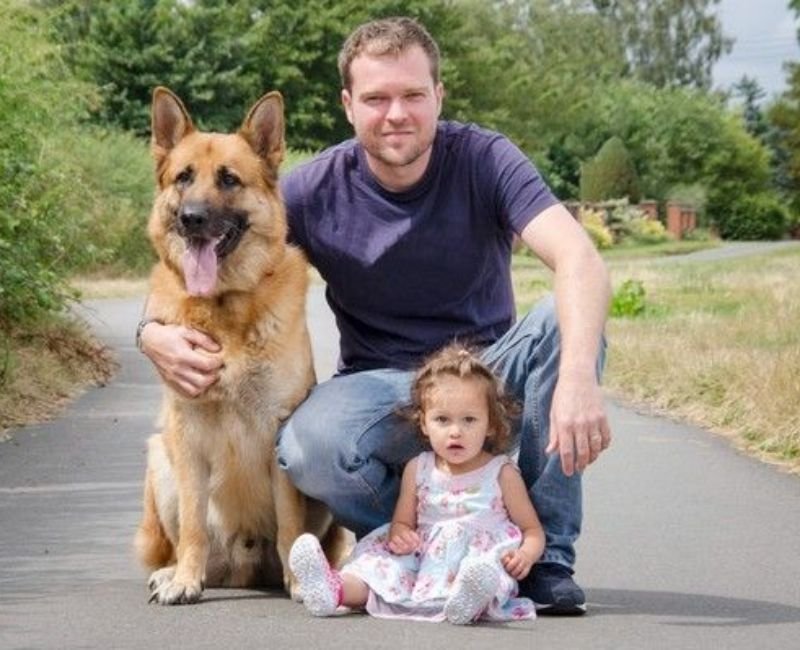
German Shepherds can be wonderful family dogs in households that can meet their physical, mental, and training needs.
They often enjoy being involved in family activities and can develop strong relationships with household members.
German Shepherds and Children
A properly socialized German Shepherd may live happily with children. Their playful and loyal nature can make them enjoyable companions.
However, supervision is essential, especially with young children. Even a friendly large dog can accidentally knock over a small child during play.
Teach children to:
- Avoid pulling the dog’s ears or tail.
- Never disturb the dog while eating or sleeping.
- Give the dog space when it wants to rest.
- Interact gently and respectfully.
- Avoid rough games that encourage unwanted behavior.
Never leave young children alone with a dog, regardless of breed or temperament.
German Shepherds and Other Pets
German Shepherds can learn to live with other dogs and household pets, especially when introductions are gradual and positive.
Their behavior around other animals depends on their individual temperament, previous experiences, socialization, and training.
Supervise early interactions and give every animal a safe space.
Family Environment
German Shepherds usually do best with owners who can provide companionship, exercise, training, and daily interaction.
They may struggle in homes where they are left alone for long periods without sufficient activity or attention.
6. German Shepherd Intelligence and Trainability
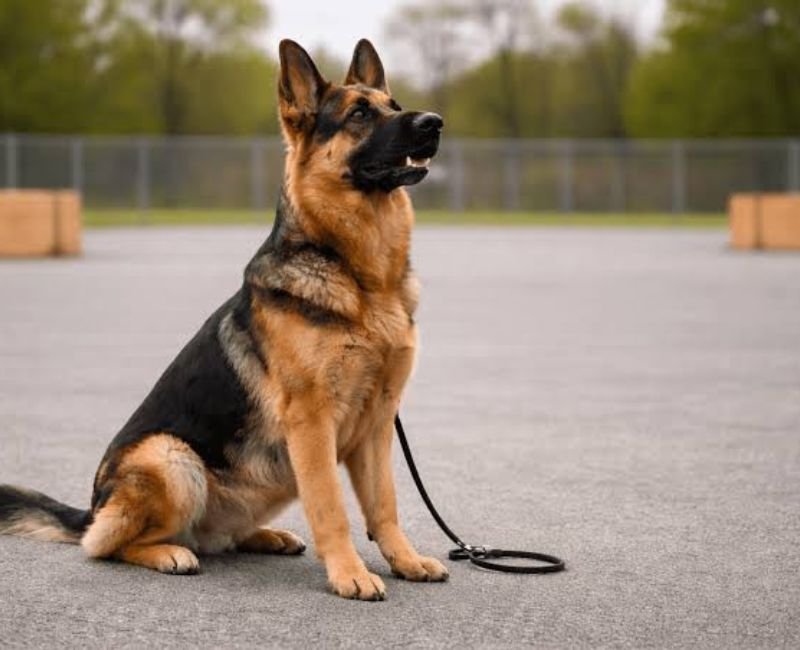
Training is an important part of responsible German Shepherd ownership. Their intelligence and willingness to learn can make training rewarding, but consistency is essential.
Start Training Early
Basic training should begin when a puppy arrives home. Useful early skills include:
- Responding to its name.
- Sitting and staying.
- Coming when called.
- Walking on a leash.
- Settling calmly.
- Learning appropriate play behavior.
Short, positive training sessions are often more effective than long sessions that cause frustration.
Use Positive Reinforcement
Reward-based training encourages desirable behavior through treats, praise, toys, or play.
Avoid harsh punishment and intimidation. These methods can damage trust and may increase fear or defensive reactions.
Socialization Matters
Socialization means gradually introducing a dog to different people, places, sounds, surfaces, and everyday experiences.
Positive early experiences can help German Shepherds become more comfortable in unfamiliar situations.
Socialization should be controlled and appropriate for the dog’s age, health, and confidence level. It should never involve forcing a frightened puppy into overwhelming situations.
Mental Stimulation
German Shepherds need more than physical activity. They also benefit from activities that make them think.
Try:
- Food puzzle toys.
- Scent games.
- Obedience practice.
- Hide-and-seek games.
- Learning new commands.
- Interactive play.
Mental stimulation helps keep these intelligent dogs engaged and can reduce boredom-related behavior.
7. German Shepherd Energy Level and Exercise Needs
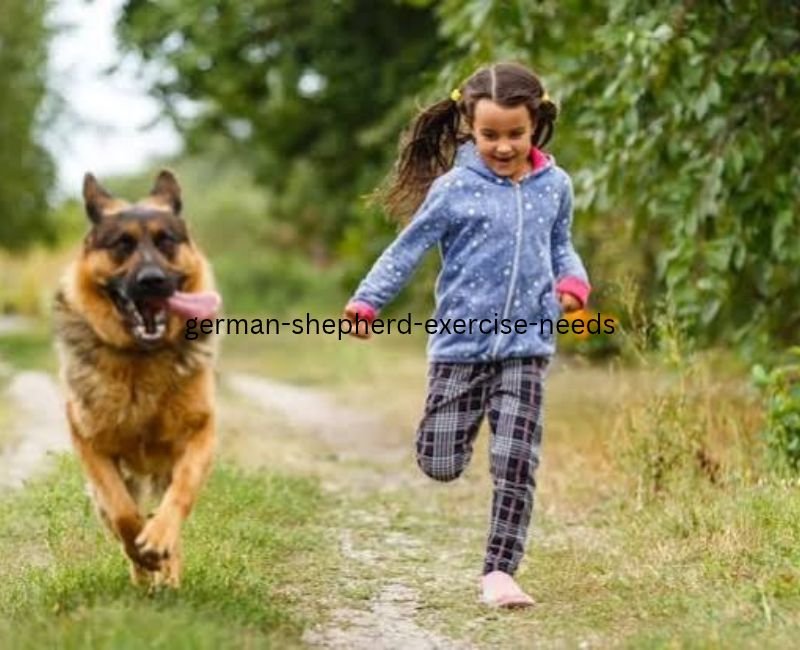
German Shepherds are active dogs with relatively high exercise needs. They generally enjoy walking, playing, exploring, and learning new activities.
A daily routine should include a combination of physical exercise and mental enrichment.
Recommended Activities
Some suitable activities include:
- Daily walks.
- Fetch games.
- Controlled running when physically mature.
- Scent-based games.
- Obedience training.
- Supervised outdoor play.
- Appropriate agility activities.
The amount of exercise depends on the dog’s age, health, fitness, and individual energy level.
Exercise for Puppies
German Shepherd puppies are still developing, so their activity should be age-appropriate.
Avoid forcing young puppies into long distance running, repetitive high-impact jumping, or strenuous exercise. Allow regular rest and speak with a veterinarian about suitable activity during growth.
Exercise for Adult Dogs
Healthy adult German Shepherds generally need consistent daily activity. Their routine should combine walks, play, training, and opportunities to explore.
If your dog becomes restless, destructive, or excessively vocal, consider whether its physical and mental needs are being met.
8. German Shepherd Grooming Characteristics
German Shepherds have a double coat that sheds throughout the year. Many experience heavier shedding during seasonal coat changes.
Regular grooming helps remove loose hair and keeps the coat in good condition.
Brushing
Brush your German Shepherd several times a week. During heavy shedding periods, more frequent brushing may be helpful.
Use a suitable brush that can reach through the outer coat and remove loose undercoat without irritating the skin.
Bathing
German Shepherds do not usually need frequent baths unless they become dirty or develop an odor.
Use a dog-safe shampoo and rinse thoroughly. Excessive bathing may remove natural oils and contribute to dry skin.
Nail Care
Long nails can make walking uncomfortable and affect movement. Check your dog’s nails regularly and trim them when necessary.
If you are unsure how to trim them safely, ask a groomer or veterinarian for guidance.
Ear and Dental Care
Check the ears for unusual redness, odor, or discharge. Clean them only with products recommended for dogs.
Regular tooth brushing with dog-safe toothpaste helps maintain oral health. Never use human toothpaste for dogs.
9. German Shepherd Health Characteristics
German Shepherds are generally active and capable dogs, but like other breeds, they can be prone to certain inherited or breed-associated health conditions.
Understanding these risks can help owners make informed decisions about responsible breeding, veterinary screening, and preventive care.
Hip Dysplasia
Hip dysplasia is a developmental condition in which the hip joint does not fit together properly.
It may lead to discomfort, reduced mobility, and arthritis. Responsible breeders should use appropriate hip screening programs.
Elbow Dysplasia
Elbow dysplasia refers to several developmental problems affecting the elbow joint.
Affected dogs may show stiffness, limping, or difficulty exercising. Veterinary assessment can help identify the cause and guide treatment.
Degenerative Myelopathy
Degenerative myelopathy is a progressive neurological condition that can affect the spinal cord.
It may cause gradual weakness and coordination problems, particularly in the hind limbs. Genetic testing and veterinary advice may be relevant when assessing breeding risks.
Bloat or Gastric Dilatation-Volvulus
Bloat is a serious emergency in which the stomach becomes distended and may twist.
Warning signs can include a swollen abdomen, repeated unsuccessful attempts to vomit, restlessness, and excessive drooling.
Seek emergency veterinary care immediately if you suspect bloat. Do not wait to see whether the symptoms disappear.
Regular Veterinary Care
Routine checkups, appropriate vaccinations, parasite prevention, dental care, and a balanced diet all contribute to a dog’s well-being.
A veterinarian can recommend health checks based on your German Shepherd’s age, lifestyle, and medical history.
10. Common German Shepherd Behavior Challenges
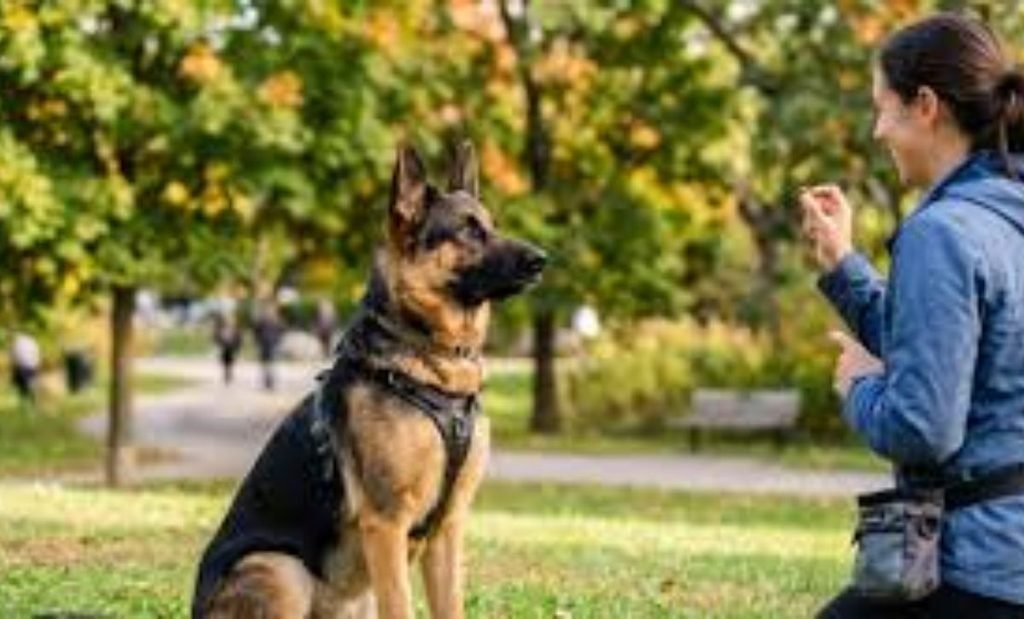
German Shepherds can be wonderful companions, but their intelligence, energy, and alert nature may create challenges if their needs are not met.
Understanding these behaviors makes them easier to manage.
Excessive Barking
Some German Shepherds bark when they notice unfamiliar sounds, people, or activity.
Identify what triggers the barking and reward calm behavior. Avoid shouting, as this may increase excitement rather than solve the problem.
Destructive Behavior
Chewing furniture, digging, and damaging household objects may happen when a dog is bored, anxious, or lacking appropriate outlets.
Provide safe chew toys, daily exercise, enrichment activities, and a predictable routine.
Separation-Related Problems
Some German Shepherds struggle when separated from their owners.
Signs may include excessive vocalization, pacing, destructive behavior, or attempts to escape.
Build independence gradually. If signs are severe or persistent, consult a veterinarian or qualified behavior professional.
Pulling on the Leash
Because German Shepherds are strong dogs, leash pulling can become difficult to manage.
Teach loose-leash walking through consistent reward-based practice. Use properly fitted walking equipment and seek professional help if handling becomes unsafe.
Overprotective Behavior
A dog that is not properly socialized may become fearful or overly reactive around unfamiliar people and situations.
Do not encourage aggressive guarding behavior. Focus on calm introductions, positive experiences, and appropriate training.
11. Are German Shepherds Suitable for First-Time Owners?
German Shepherds can be suitable for first-time owners who are prepared to learn about training, socialization, exercise, and responsible dog care.
However, they are not always the easiest choice for someone who wants a low-maintenance companion.
Advantages for First-Time Owners
- They are intelligent and generally responsive to training.
- They can develop strong bonds with their families.
- They enjoy learning and participating in activities.
- They can adapt to different roles when properly trained.
- They often make attentive and devoted companions.
Challenges to Consider
- They need regular physical activity.
- They require ongoing mental stimulation.
- Their double coat sheds regularly.
- Training and socialization require time and consistency.
- Their size and strength require responsible handling.
- Veterinary care, food, grooming, and training involve ongoing costs.
Before choosing this breed, honestly consider your available time, living situation, budget, and experience with dogs.
12. German Shepherd Characteristics: Pros and Cons
Every breed has strengths and challenges. Understanding both sides can help you decide whether a German Shepherd fits your lifestyle.
| Pros | Cons |
| Highly intelligent | Needs mental stimulation |
| Loyal to family | May become overly attached |
| Generally trainable | Requires consistent training |
| Alert and attentive | May bark at unfamiliar activity |
| Athletic and energetic | Needs regular exercise |
| Versatile working abilities | Can become bored without activity |
| Strong family bonds | Requires time and companionship |
| Distinctive appearance | Sheds throughout the year |
A German Shepherd can be an excellent companion, but its needs should never be underestimated.
13. Frequently Asked Questions
1. What are the main characteristics of a German Shepherd?
German Shepherds are intelligent, loyal, confident, alert, and energetic dogs. They have muscular bodies, upright ears, a double coat, and a strong desire to learn and work.
2. Are German Shepherds friendly or aggressive?
German Shepherds can be friendly, affectionate, and confident when properly raised and socialized. Aggression is not an unavoidable characteristic of the breed. Genetics, health, experiences, and training all influence behavior.
3. Are German Shepherds good family dogs?
Yes, many German Shepherds can make excellent family companions. They need proper training, socialization, exercise, and supervision around children and other pets.
4. Are German Shepherds intelligent?
Yes. German Shepherds are known for their learning ability, problem-solving skills, and responsiveness to training. They benefit from regular mental challenges and structured activities.
5. Do German Shepherds shed a lot?
Yes. German Shepherds have a double coat and shed throughout the year, with heavier shedding often occurring during seasonal changes. Regular brushing helps manage loose hair.
6. Are German Shepherds easy to train?
They are generally highly trainable, especially when training begins early and uses consistent positive reinforcement. Their intelligence does not remove the need for patience, practice, and socialization.
7. Are German Shepherds suitable for first-time owners?
They can be suitable for committed first-time owners who have enough time for exercise, training, grooming, and companionship. People looking for a low-energy or low-maintenance dog may prefer another breed.
Final Thoughts
German Shepherds are intelligent, loyal, athletic, and versatile dogs with many admirable characteristics. Their strong family bonds and ability to learn make them excellent companions for owners who understand their needs.
However, owning one requires more than appreciating its appearance. Regular exercise, positive training, early socialization, grooming, and veterinary care are essential. If you can provide a stable and active environment, a German Shepherd can become a devoted and rewarding member of your family.