
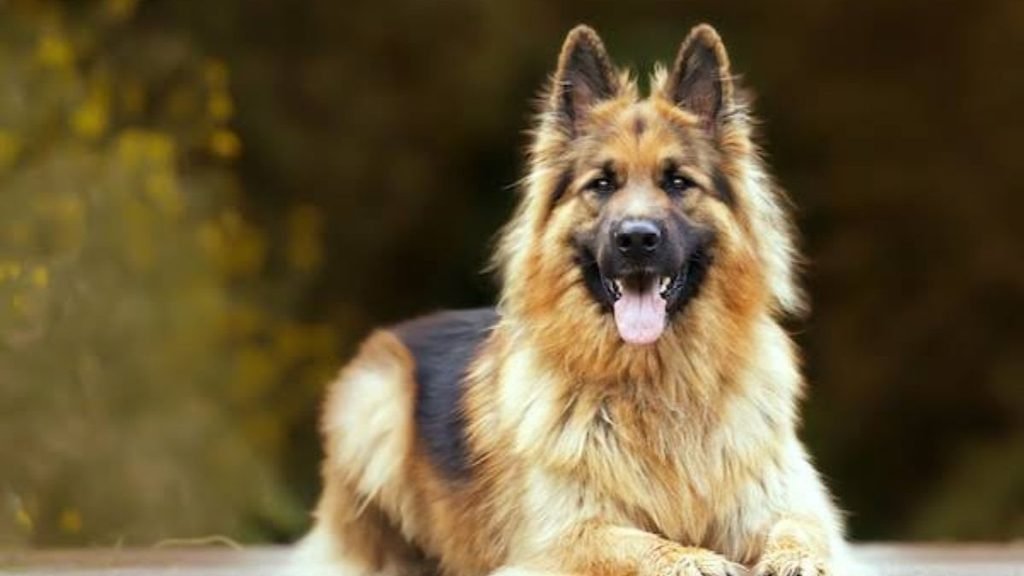
The German Shepherd breed is one of the world’s most recognizable working and companion dog breeds. Known for its intelligence, loyalty, athletic ability, and strong work ethic, the German Shepherd was originally developed in Germany to help herd and manage sheep. Today, the breed performs many different roles, from family companion to police, military, search-and-rescue, service, and detection work.
But owning a German Shepherd is about more than having an impressive-looking dog. This is an active, intelligent breed that needs consistent training, socialization, exercise, mental stimulation, grooming, and responsible healthcare.
If you are thinking about bringing one home, understanding the breed’s characteristics and daily needs can help you decide whether a German Shepherd is genuinely right for your lifestyle.
German Shepherd Breed at a Glance
| Characteristic | Details |
| Breed name | German Shepherd Dog |
| Origin | Germany |
| Original purpose | Herding and working |
| Breed group | Herding Group |
| Adult size | Large |
| Coat | Medium-length double coat |
| Temperament | Intelligent, confident, loyal, alert |
| Energy level | High |
| Trainability | Highly trainable |
| Grooming | Regular brushing required |
| Lifespan | Varies by individual dog |
| Common roles | Companion, police, service, search and rescue |
Breed measurements and lifespan can vary by dog and by the standards used by different organizations. For example, the AKC currently lists males at 24–26 inches and 65–90 pounds, and females at 22–24 inches and 50–70 pounds.
History of the German Shepherd Breed
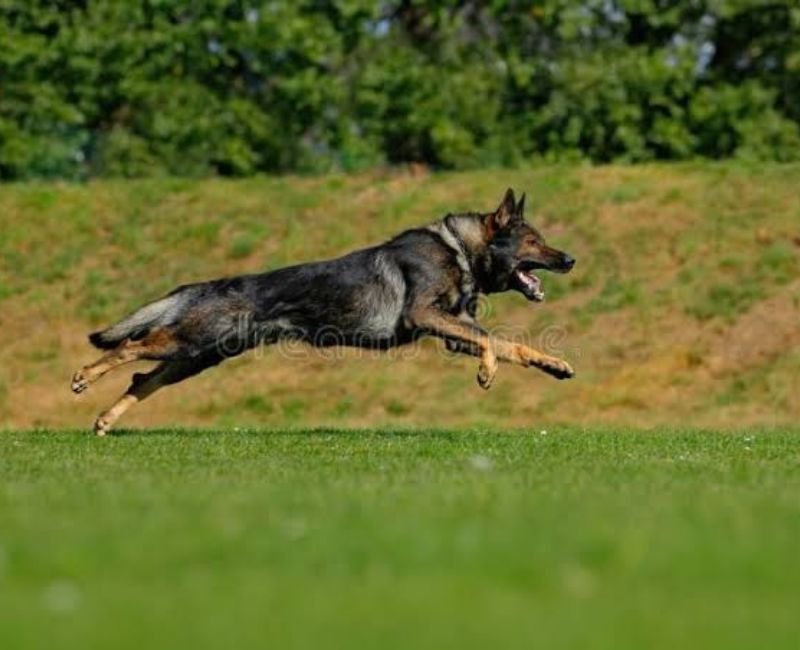
The German Shepherd’s history began with working shepherd dogs in Germany. During the late 19th century, different regions had dogs with somewhat different appearances and working characteristics.
Captain Max von Stephanitz played a major role in bringing these working qualities together into a more consistent breed. In 1899, he saw a dog named Hektor Linksrhein at a German dog show and recognized the qualities he wanted in a working shepherd. He purchased the dog and renamed him Horand von Grafrath, who became the first registered German Shepherd Dog.
Von Stephanitz emphasized usefulness rather than appearance alone. Intelligence, responsiveness, endurance, and the ability to work with people were central to the breed’s development.
The German Shepherd eventually moved beyond traditional herding. Its combination of intelligence, athleticism, courage, and trainability made it suitable for many demanding jobs. Today, German Shepherds can be found working in law enforcement, military service, search and rescue, service work, detection, and numerous dog sports.
This history explains an important part of the breed’s personality: a German Shepherd is not simply an active pet. It comes from a long line of dogs selected to work, think, respond, and cooperate with people.To learn more about the breed’s origin, development, and working background, explore our detailed guide on the German Shepherd’s history and characteristics.
What Does a German Shepherd Look Like?
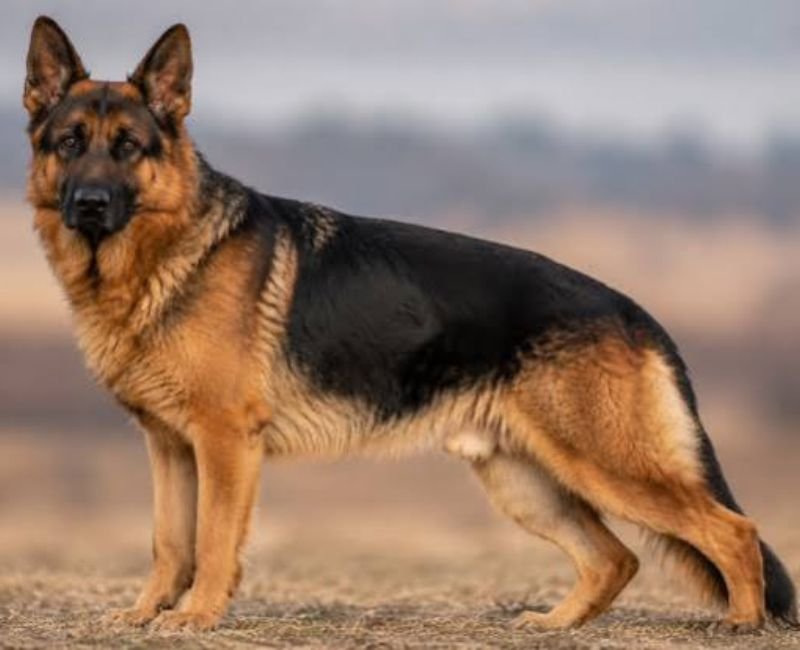
A German Shepherd has a strong, athletic appearance that reflects its working background.
Typical characteristics include:
- Upright ears
- A long, well-shaped muzzle
- A strong neck
- A deep chest
- Muscular legs
- A bushy tail
- An athletic body
- A dense double coat
The breed is designed for efficient movement and endurance rather than simply looking large or powerful.
German Shepherds also come in different coat colors and patterns. Black and tan is particularly familiar, but other recognized colors and combinations exist.
The appearance of an individual dog can vary considerably. A healthy German Shepherd should be judged by overall structure, movement, condition, and temperament rather than by one physical feature alone.
German Shepherd Size and Weight
German Shepherds are large dogs, but healthy size is not about being as big as possible.
According to the AKC, adult males generally stand around 24–26 inches and weigh about 65–90 pounds, while females are around 22–24 inches and weigh approximately 50–70 pounds. Individual dogs can naturally fall outside these ranges.
Several factors influence a German Shepherd’s adult size, including:
- Genetics
- Sex
- Nutrition
- Overall health
- Exercise
- Individual development
Puppies should not be overfed in an attempt to make them grow faster or larger. Controlled growth and a healthy body condition are more important than maximum size.
German Shepherd Coat Colors and Types
The German Shepherd has a double coat consisting of a protective outer layer and a softer undercoat. This coat helps protect the dog from different environmental conditions.
Commonly seen colors and patterns include:
- Black and tan
- Black and red
- Sable
- Solid black
- Other recognized color variations
Coat length can also vary. Some German Shepherds have relatively shorter coats, while others have longer or more feathered coats.
One important point for potential owners is that coat color does not automatically determine personality or working ability. A German Shepherd’s temperament is influenced by genetics, breeding, socialization, training, and individual experiences.
German Shepherd Temperament and Personality

Temperament is one of the biggest reasons people choose the German Shepherd breed.
A well-bred and properly socialized German Shepherd is generally intelligent, confident, alert, loyal, and willing to work. The breed often develops a strong bond with its family and enjoys having a role or activity to focus on.
However, there is an important difference between a breed tendency and an individual dog’s personality.
Not every German Shepherd will behave exactly the same way. Temperament can be affected by:
- Genetics
- Breeding practices
- Early socialization
- Training
- Environment
- Previous experiences
- Daily routine
A German Shepherd may be reserved around unfamiliar people while being affectionate and playful with people it knows.
This natural alertness can make the breed an effective watchdog, but owners should not encourage uncontrolled aggression. The goal should be a confident dog that can respond appropriately to different situations.
Are German Shepherds Aggressive?
German Shepherds are not automatically aggressive.
They are naturally alert and can have protective instincts, but aggression is not the same thing as confidence or loyalty. A stable German Shepherd should be able to notice something unfamiliar without automatically reacting aggressively.
Problems can develop when a dog receives poor socialization, inconsistent training, inadequate exercise, or inappropriate encouragement toward aggressive behavior.
Good ownership focuses on teaching the dog:
- How to remain calm
- How to respond to commands
- How to behave around visitors
- How to interact appropriately with other dogs
- When to disengage from a situation
If a German Shepherd displays sudden or serious aggression, fear, or other concerning behavior, professional veterinary or behavioral guidance is appropriate.
Are German Shepherds Good Family Dogs?
A German Shepherd can be an excellent family companion for the right household.
These dogs often become deeply connected to their families and generally enjoy being included in everyday activities. They can be playful, affectionate, attentive, and protective without needing to be aggressive.
However, they are not ideal for every family.
A German Shepherd requires:
- Regular exercise
- Consistent training
- Socialization
- Mental stimulation
- Grooming
- Veterinary care
- Human interaction
The breed can be particularly suitable for active households that enjoy walking, hiking, training, outdoor activities, or dog sports.
If you want a dog that is happy with very little activity and minimal interaction, the German Shepherd breed may not be the best match.
Are German Shepherds Good With Children?
A well-socialized German Shepherd can live successfully with children, but supervision is essential.
Children should be taught how to interact respectfully with dogs. They should not pull the dog’s ears or tail, climb on it, disturb it while eating, or force interaction when the dog wants space.
Adults should supervise interactions, particularly with young children.
It is also important to remember that no dog should be considered automatically safe simply because of its breed. The individual dog’s temperament, training, socialization, and the child’s behavior all matter.
Are German Shepherds Good With Other Dogs and Pets?
German Shepherds can live successfully with other dogs and pets, but compatibility depends on the individual animals and how they are introduced.
Early, positive socialization can help a young German Shepherd become comfortable around different dogs, people, environments, and situations.
When introducing a German Shepherd to another pet:
- Choose a controlled environment.
- Keep initial interactions calm.
- Avoid forcing the animals together.
- Watch their body language.
- Give each animal space.
- Supervise interactions until you are confident they can remain safe together.
Some German Shepherds may be more comfortable with certain animals than others, so owners should judge the individual dog rather than relying on breed assumptions.
How Intelligent Is the German Shepherd Breed?
The German Shepherd’s intelligence is one of its defining characteristics.
The breed was developed for work that required dogs to observe, respond to direction, and make decisions. Today, that ability makes German Shepherds useful in many specialized roles.
They can learn:
- Basic obedience
- Advanced commands
- Tracking
- Scent-based activities
- Agility skills
- Service tasks
- Working routines
But intelligence also comes with a responsibility for the owner.
A bored German Shepherd may find its own ways to stay busy, and those activities may include behaviors the owner does not appreciate.
Mental stimulation is therefore just as important as physical exercise.
How Do You Train a German Shepherd?
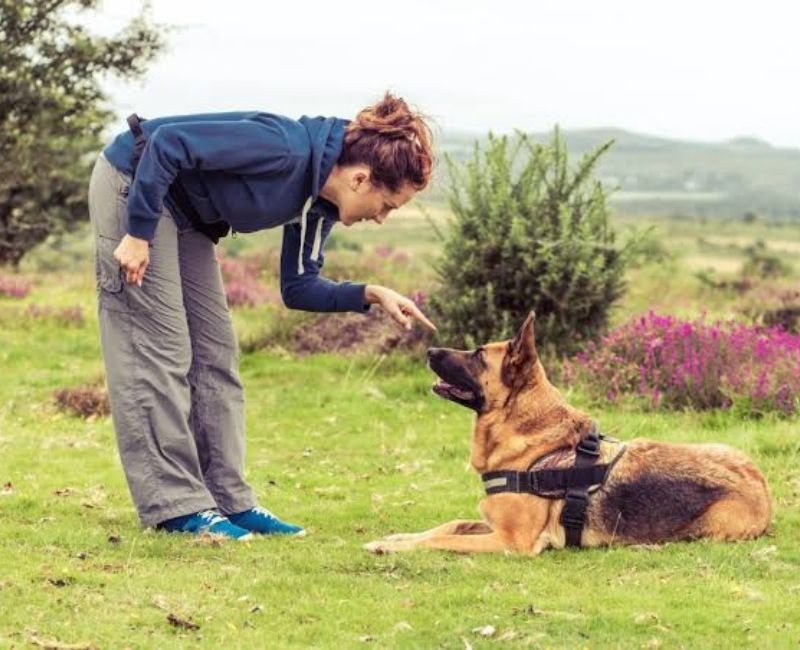
Training should begin early and continue throughout the dog’s life.
German Shepherds generally respond well to consistent, reward-based training. The breed’s intelligence means it can learn quickly, but it also means that inconsistent rules can create confusion.
Start with basic skills such as:
- Name recognition
- Sit
- Stay
- Recall
- Leave it
- Loose-leash walking
- Calm greetings
- Impulse control
Socialization is equally important.
A puppy should gradually and positively experience different people, environments, sounds, surfaces, and appropriate dogs. The purpose is not to overwhelm the puppy but to help it learn that new experiences can be handled calmly.
The AKC specifically emphasizes early socialization and puppy training, along with continued obedience work and positive, consistent training.
How Much Exercise Does a German Shepherd Need?
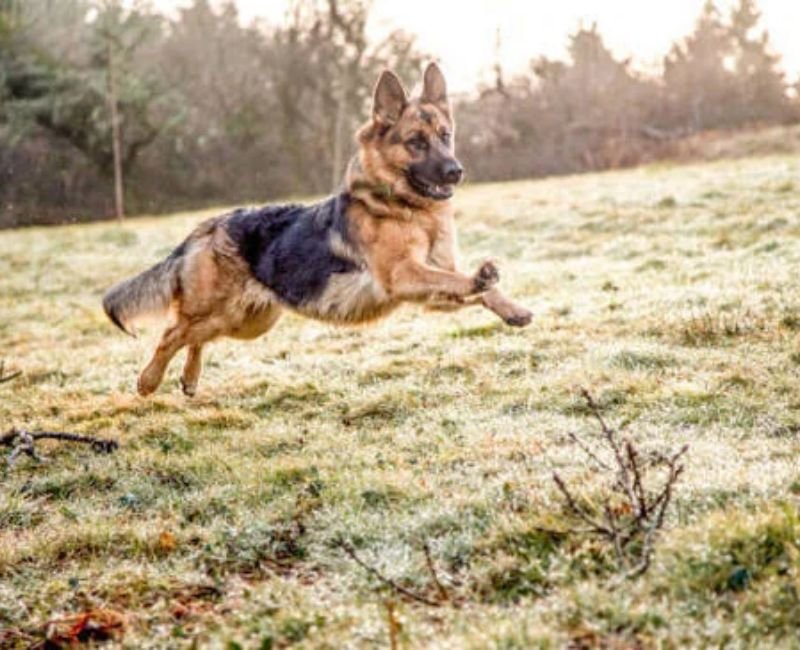
German Shepherds are active working dogs. They generally need regular physical exercise and mental stimulation.
Suitable activities may include:
- Walking
- Hiking
- Fetch
- Scent games
- Obedience training
- Tracking
- Agility
- Appropriate dog sports
- Structured play
The right amount of exercise depends on the individual dog’s age, health, fitness, and energy level.
German Shepherd Puppies
Puppies need activity, but their developing bodies should not be pushed through excessive or inappropriate exercise. Short walks, supervised play, basic training, and age-appropriate enrichment are usually more suitable than long, demanding workouts.
Adult German Shepherds
Healthy adults generally need considerably more activity. Combining physical exercise with training and mental challenges can help meet their needs.
Senior German Shepherds
Older dogs may need shorter walks and lower-impact activities. Their routine should be adjusted according to their health and mobility.
The key is not to exhaust a German Shepherd simply for the sake of exercise. The goal is to provide appropriate activity that supports physical and mental well-being.
German Shepherd Grooming and Shedding
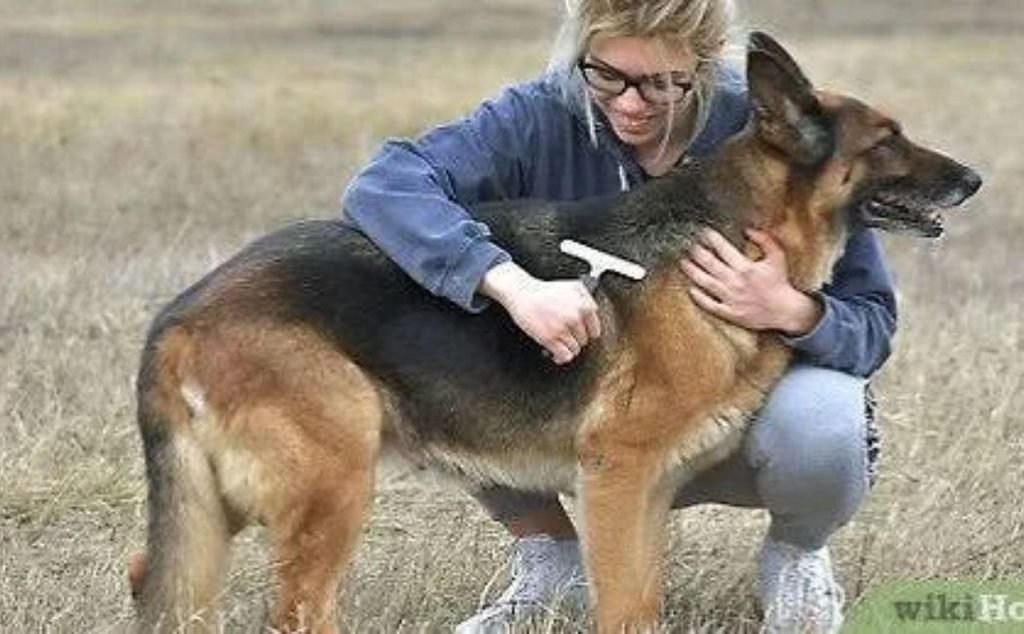
If you are considering a German Shepherd, be prepared for hair.
The breed’s double coat sheds regularly, with heavier shedding periods during seasonal coat changes. Regular brushing can help remove loose hair and reduce the amount that ends up on furniture and floors.
A basic grooming routine includes:
- Brushing every few days
- More frequent brushing during heavy shedding
- Occasional bathing
- Regular nail care
- Ear checks
- Regular dental care
- Checking the skin and coat
The German Shepherd’s coat provides natural protection, so shaving the coat is generally unnecessary.
Grooming is not just about appearance. Regular brushing and handling also give owners an opportunity to notice changes in the skin, coat, ears, or body.
What Should a German Shepherd Eat?
A German Shepherd needs a complete and balanced diet appropriate for its life stage.
A puppy has different nutritional needs from an adult, and an older dog may require a different approach again.
Food portions should be based on factors such as:
- Age
- Body size
- Activity level
- Body condition
- Individual health needs
Avoid overfeeding, particularly during growth. Keeping a large dog at a healthy body condition can help reduce unnecessary stress on its joints.
Fresh, clean water should always be available.
If your German Shepherd has a medical condition, food allergy, digestive problem, or weight issue, speak with your veterinarian before making major dietary changes.
Common German Shepherd Health Problems
German Shepherds can be healthy, active dogs, but like many breeds, they have certain health concerns that owners should understand.
Some conditions associated with the breed include:
- Hip dysplasia
- Elbow dysplasia
- Degenerative myelopathy
- Gastric dilatation-volvulus, commonly called bloat
The AKC recommends health screening of breeding dogs for conditions including hip and elbow problems and degenerative myelopathy, and it also highlights the importance of understanding the risk of bloat.
This does not mean that every German Shepherd will develop these problems.
Responsible breeding, appropriate nutrition, healthy body weight, regular veterinary examinations, and preventive care can all play an important role in a dog’s overall well-being.
If a German Shepherd develops sudden abdominal swelling, severe discomfort, repeated unproductive attempts to vomit, weakness, or collapse, veterinary attention should be sought immediately because bloat can become life-threatening.
How Long Does a German Shepherd Live?
Lifespan varies from dog to dog.
The AKC currently lists a life expectancy of 12–14 years for the breed. Individual German Shepherds may live shorter or longer lives depending on genetics, health, nutrition, preventive care, and other factors.
Owners can support long-term health by providing:
- Appropriate nutrition
- Regular exercise
- Healthy body weight
- Preventive veterinary care
- Dental care
- Safe living conditions
- Early attention to health changes
Quality of life is just as important as the number of years a dog lives.
German Shepherd Puppy vs. Adult
Before getting a German Shepherd, consider whether you actually want a puppy.
| Puppy | Adult |
| Requires frequent training | May already have basic training |
| Needs extensive socialization | Personality is easier to observe |
| Requires close supervision | Often more settled |
| Rapidly developing body | Fully developed |
| Can be demanding | May have more predictable energy |
| Requires patience | May adapt differently to a new home |
A puppy can be an exciting choice, but it requires substantial time and consistency.
An adult German Shepherd may be a better option for someone who wants a clearer idea of the dog’s existing temperament and energy level.
What Is It Really Like to Own a German Shepherd?
Living with a German Shepherd can be extremely rewarding, but it comes with responsibilities that should not be underestimated.
Advantages
Highly intelligent: They can learn a wide variety of skills.
Loyal: Many form strong bonds with their owners and families.
Versatile: They can participate in everything from obedience and hiking to specialized working roles.
Athletic: They can be excellent companions for active people.
Trainable: With consistent, humane training, they can become well-mannered companions.
Challenges
Shedding: Expect regular hair around the home.
Exercise needs: A German Shepherd usually needs more activity than a low-energy companion breed.
Training commitment: Their intelligence and strength make consistent training important.
Size and strength: Poor manners can become difficult to manage when a large adult dog pulls, jumps, or reacts.
Health expenses: Veterinary care can become costly, particularly when unexpected health problems occur.
The breed’s strengths and challenges are closely connected. Its intelligence makes it trainable, but it also means it needs mental stimulation. Its athleticism makes it a great activity partner, but it also means that a sedentary lifestyle may not suit it.
Is the German Shepherd Breed Right for You?
A German Shepherd may be a good fit if you can honestly say:
- I have time for daily exercise.
- I am willing to train my dog consistently.
- I can provide mental stimulation.
- I understand the importance of socialization.
- I am comfortable managing a large dog.
- I can handle regular shedding.
- I can afford routine veterinary care.
- I want a dog that enjoys being involved in family life.
The breed may be less suitable if you want a dog that can spend most of the day alone, requires little exercise, or needs minimal training.
Choosing a dog should be based on lifestyle compatibility rather than appearance alone.
German Shepherd Breed Pros and Cons
| Pros | Cons |
| Intelligent and trainable | Requires regular activity |
| Loyal and devoted | Heavy shedding |
| Versatile working ability | Needs consistent training |
| Athletic and energetic | Large and physically strong |
| Can be an excellent companion | Potential breed-related health concerns |
| Enjoys learning and activities | May become bored without stimulation |
Frequently Asked Questions
What is the German Shepherd breed known for?
The German Shepherd is known for intelligence, loyalty, athleticism, trainability, and versatility. It has been used as a herding dog, family companion, police dog, service dog, search-and-rescue dog, and detection dog.
Are German Shepherds good family dogs?
They can be excellent family companions when their needs for exercise, training, socialization, supervision, and companionship are properly met.
Are German Shepherds aggressive?
Not automatically. They can be alert and protective, but temperament varies between individual dogs and is influenced by genetics, socialization, training, and environment.
Are German Shepherds easy to train?
They are generally highly trainable, but owners still need consistency, patience, positive reinforcement, and regular practice.
How big does a German Shepherd get?
According to the AKC, males are generally 24–26 inches tall and 65–90 pounds, while females are around 22–24 inches and 50–70 pounds. Individual dogs vary.
Do German Shepherds shed a lot?
Yes. They have a double coat and shed regularly, with heavier shedding during seasonal changes. Regular brushing helps manage loose hair.
How much exercise does a German Shepherd need?
They generally need regular physical activity and mental stimulation. The appropriate amount depends on age, health, fitness, and individual energy level.
Are German Shepherds good for first-time owners?
They can be, but they are not usually the easiest choice for someone who wants a low-maintenance dog. First-time owners should be prepared to invest time in training, socialization, exercise, and learning about the breed.
What were German Shepherds originally bred for?
German Shepherds were originally developed in Germany as working shepherd dogs to help manage livestock. Their intelligence, endurance, and trainability later made them useful for many other jobs.
What are common German Shepherd health concerns?
Health concerns associated with the breed include hip and elbow dysplasia, degenerative myelopathy, and bloat. Responsible breeding, health screening, appropriate care, and regular veterinary attention are important.
Final Thoughts
The German Shepherd breed is much more than its familiar appearance. It is a highly intelligent, active, and versatile working breed with a long history of cooperating closely with people.
Its greatest strengths intelligence, energy, loyalty, and willingness to work—also create responsibilities for the owner. A German Shepherd needs more than food and a place to sleep. It needs training, socialization, appropriate exercise, mental stimulation, grooming, healthcare, and meaningful interaction with its family.
For the right household, those efforts can be incredibly rewarding. But choosing a German Shepherd should be a thoughtful decision based on your lifestyle and ability to meet the dog’s needs.
A well cared for German Shepherd can become not only a devoted companion but also an active partner in everyday life.
Pingback: German Shepherd Qualities: Traits, Temperament & Care
Pingback: German Shepherd Short Hair: Coat & Care
Pingback: Dogs German: 15 German Dog Breeds to Know
Pingback: Characteristics German Shepherd: Traits & Care Guide