

German Shepherd qualities make this breed one of the most popular choices among dog lovers.German Shepherd Food: Complete Feeding Guide Known for their intelligence, loyalty, confidence, and protective nature, German Shepherds are excellent companions for active families and experienced dog owners.. Their ability to learn quickly and handle different responsibilities has made them popular as family companions, service dogs, police dogs, and working partners.
But what actually makes this breed special? Is it their loyalty, intelligence, protective nature, or ability to learn new tasks? The answer is a combination of these qualities.Understanding German Shepherd qualities can help you become a better dog owner.
Understanding the qualities of a German Shepherd dog can help you decide whether this breed matches your lifestyle. It can also help you understand what these dogs need to remain happy, healthy, and well-behaved.
Let’s explore the most impressive German Shepherd qualities, how they appear in everyday life, and what owners should know before bringing one home.
1. Intelligence and Quick Learning Ability
One of the most impressive qualities of a German Shepherd is its intelligence. These dogs are known for learning commands, understanding routines, and performing tasks that require focus and problem solving.
A German Shepherd can learn basic obedience commands such as sit, stay, come, and heel. With consistent training, many can also develop more advanced skills, including tracking, scent work, and specialized assistance tasks.Choosing the right German Shepherd food is important for your dog’s health.
Their intelligence makes training rewarding, but it also creates a responsibility for owners. German Shepherds need activities that challenge their minds. Without enough stimulation, they may become bored and develop unwanted habits such as chewing, digging, or excessive barking.
How to encourage this quality:
- Teach new commands regularly.
- Use food puzzles and interactive toys.
- Practice short obedience sessions.
- Play scent searching games.
- Reward good behavior with praise, treats, or play.
A mentally active German Shepherd is more likely to remain engaged and responsive.
2. Loyalty and Strong Family Bonds
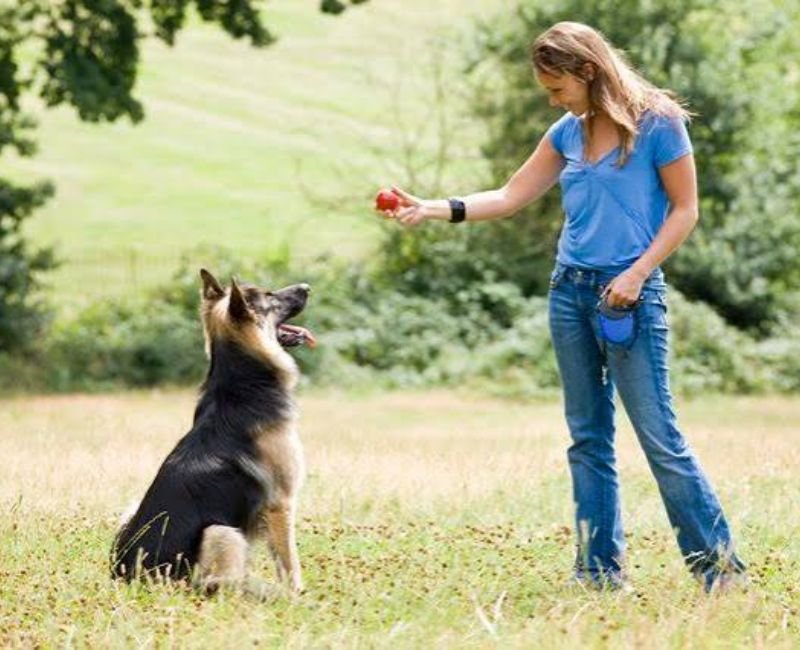
Loyalty is another reason people love German Shepherds. They often form strong attachments to their owners and enjoy being involved in everyday family activities.
A German Shepherd may follow its favorite person around the house, wait near the door when someone returns, or settle beside family members during quiet moments. These small behaviors often reflect the close relationship the dog has developed with its household.
However, loyalty does not mean that every German Shepherd will naturally behave the same way. Personality, early experiences, socialization, and individual temperament all play a role.
Owners should also teach their dogs to feel comfortable spending some time independently. This helps prevent excessive dependence and can make everyday routines easier.
Why this quality matters: A loyal dog can become a devoted companion, especially in a home where it receives attention, kindness, and consistent care.
3. Protective Instincts and Alertness
German Shepherds are naturally attentive dogs. They often notice unfamiliar sounds, people, and changes in their surroundings. Their alert nature is one reason they have been used in guarding and working roles.High-quality German Shepherd food should provide balanced nutrition.
A German Shepherd may bark when someone approaches the home or become more attentive when it notices something unusual. This behavior can be useful, but it needs proper guidance.
There is an important difference between being protective and being aggressive. A confident, well-socialized German Shepherd should learn to respond calmly to normal situations rather than treating every unfamiliar person as a threat.
How owners can manage protective behavior:
- Introduce the dog to different people and environments gradually.
- Reward calm behavior around visitors.
- Teach basic obedience and reliable recall.
- Avoid encouraging unnecessary aggression.
- Seek help from a qualified trainer if the dog shows fear or reactivity.
Responsible training helps a German Shepherd become alert without becoming difficult to manage.One of the most impressive German Shepherd qualities is their intelligence.
4. Courage and Confidence
German Shepherds are known for their confident working temperament. Their courage, focus, and willingness to handle challenging tasks have made them valuable in many professional roles.
For example, trained German Shepherds may work in search and rescue, tracking, police operations, and assistance roles. These activities require concentration, physical ability, and the confidence to work in different environments.
However, courage does not mean a dog should never feel afraid. Every dog can become uncomfortable in unfamiliar or stressful situations.
Owners should build confidence through positive experiences, patient training, and appropriate socialization. Forcing a frightened dog into a difficult situation can make its fear worse.
A confident German Shepherd is not one that reacts aggressively. It is one that can handle everyday experiences with a stable and controlled response.
5. Excellent Trainability and Obedience
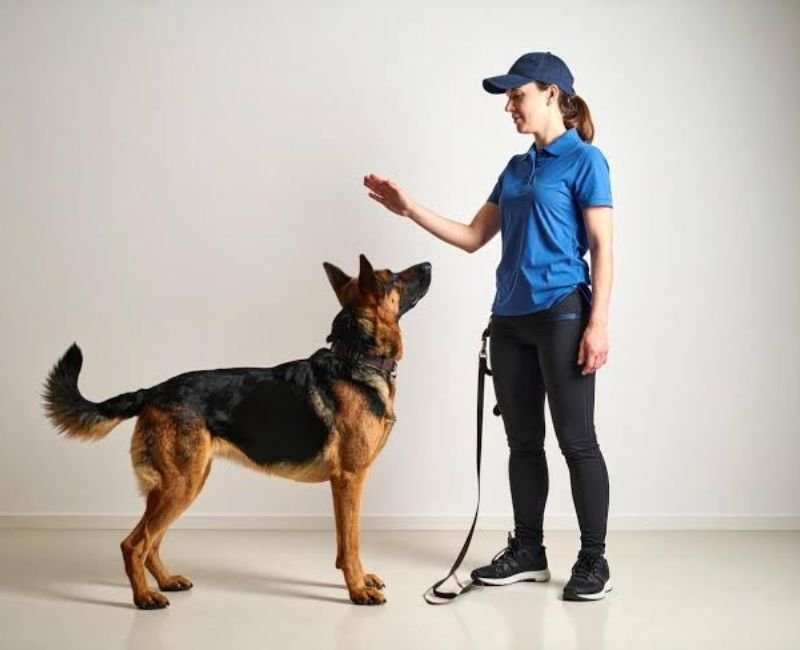
German Shepherds are generally highly trainable. Their intelligence, attention, and working background make them responsive to structured learning.
They can learn household rules, walking manners, obedience commands, and more advanced activities. Their ability to work closely with people is one of the reasons they are popular in professional dog training.
For the best results, training should be consistent and rewarding.Loyalty is another important part of German Shepherd qualities.
Helpful Training Practices
Start early: Introduce basic commands and household rules when your puppy arrives home.
Use positive reinforcement: Reward the behaviors you want to see more often.
Keep sessions short: Short, regular lessons can help maintain attention.
Practice in different places: Gradually teach your dog to respond in different environments.
Be patient: Learning takes time, and every dog develops at its own pace.
Avoid harsh punishment and intimidation. These methods can damage trust and may increase fear or defensive behavior.
6. Affectionate and Loving Nature
Although German Shepherds have a strong and serious appearance, many are affectionate with people they trust.
They may enjoy playing with their owners, resting nearby, receiving gentle attention, or participating in family activities. Some are naturally more outgoing, while others prefer quieter interaction.
Their affectionate side is one reason they can make rewarding companions.
However, German Shepherds are not dogs that should be treated as outdoor decorations or left without regular human interaction. They benefit from companionship and meaningful daily activities.
Spending time together through walks, play, grooming, and training can strengthen the relationship between a dog and its owner.
7. High Energy and Athletic Ability
German Shepherds are athletic dogs with good strength, stamina, and physical ability. They were developed as working dogs, so many enjoy having a purpose and staying active.
They may enjoy:
- Walking and exploring.
- Fetch and interactive games.
- Obedience training.
- Scent-searching activities.
- Appropriate agility exercises.
- Supervised outdoor play.
Their exercise needs depend on age, health, fitness, and individual energy level.
Puppies should not be pushed into strenuous exercise while their bones and joints are developing. Adult dogs generally benefit from a regular routine that combines physical activity with mental stimulation.
If a German Shepherd does not receive enough appropriate activity, it may become restless or develop boredom-related behaviors.
8. Versatility and Working Abilities
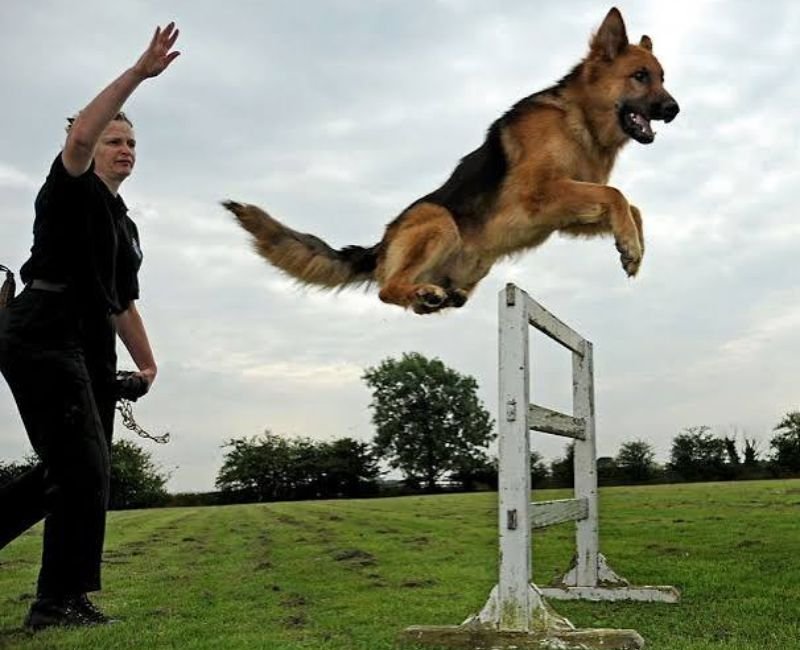
Few breeds are as widely recognized for their range of working abilities as the German Shepherd. Their intelligence, athletic build, focus, and trainability allow them to perform many different tasks.
Police and Law Enforcement Work
Trained German Shepherds may assist law enforcement teams with tracking, searching, detection, and other specialized tasks.
Search and Rescue
Their ability to follow scents and work with handlers can make them valuable in search-and-rescue operations.
Service and Assistance Work
Some German Shepherds receive specialized training to support people with disabilities or other assistance needs.
Herding
The breed was originally developed for herding and managing livestock. This working background remains part of its history.
Dog Sports
German Shepherds can participate in activities such as obedience, tracking, and agility when trained appropriately.
It is important to remember that not every German Shepherd will enjoy or be suitable for every working role. Training, temperament, health, and individual ability all matter.German Shepherds have many fascinating qualities beyond their working abilities. Discover more interesting information in our guide to 15 amazing facts about German Shepherds.
9. Adaptability and Problem Solving Skills
German Shepherds can learn household routines and adjust to different activities when given time, training, and a suitable environment.
For example, a dog may learn when it is time for a walk, where it should rest, and how to behave during regular family routines.These German Shepherd qualities make the breed suitable for active families.
Their problem solving ability can also appear during games and training exercises. They may learn how to find hidden treats, follow scent trails, or complete simple interactive challenges.
However, adaptability does not mean that every German Shepherd can comfortably live in every environment.The best German Shepherd food depends on your dog’s age, activity level, and health needs.
A dog needs enough space to move safely, regular exercise, companionship, and a predictable routine. Owners should consider these needs before choosing the breed.
10. Good Family Companionship

A properly raised and socialized German Shepherd can become a loving member of the family. Many enjoy spending time with adults and children and participating in everyday household activities.
German Shepherds With Children
German Shepherds can live successfully with children when interactions are managed responsibly.
Children should learn not to pull the dog’s ears or tail, disturb it while eating, or interrupt it when sleeping. Adults should supervise interactions, especially with young children.
Even a friendly, well trained dog can accidentally knock over a small child during play.
German Shepherds With Other Pets
Some German Shepherds live comfortably with other dogs and household pets. Their compatibility depends on individual temperament, previous experiences, training, and introductions.
Introduce animals gradually and supervise their early interactions.
Why Family Interaction Matters
German Shepherds generally benefit from being included in family life. They need more than food and shelter; they also need attention, training, and regular interaction.
11. Strong Sense of Responsibility and Focus
German Shepherds often show a strong willingness to work with their handlers. When properly trained and motivated, they can stay focused on tasks for extended periods.
This quality is particularly useful in structured activities such as obedience, tracking, and scent work.
At home, owners can encourage focus through simple activities. Asking a dog to wait before eating, follow a command during a walk, or find a hidden toy gives it opportunities to practice attention and self-control.
These exercises also help build communication between the dog and its owner.
12. German Shepherd Strengths and Weaknesses
German Shepherds have many positive qualities, but they also require time, patience, and responsible care.
The following comparison provides a realistic overview.
| Strengths | Possible Challenges |
| Highly intelligent | Needs regular mental stimulation |
| Loyal and devoted | May become overly attached |
| Generally trainable | Requires consistent training |
| Alert and attentive | Can bark at unfamiliar activity |
| Athletic and energetic | Needs regular exercise |
| Versatile working abilities | Needs meaningful activities |
| Strong family bonds | Requires companionship |
| Impressive double coat | Sheds throughout the year |
Understanding both sides helps owners make a more informed decision.German Shepherds have many other physical and behavioral traits that make them unique. Read our complete guide to German Shepherd characteristics to learn more about their appearance, temperament, intelligence, exercise needs, and overall care.
13. How to Bring Out the Best Qualities in a German Shepherd
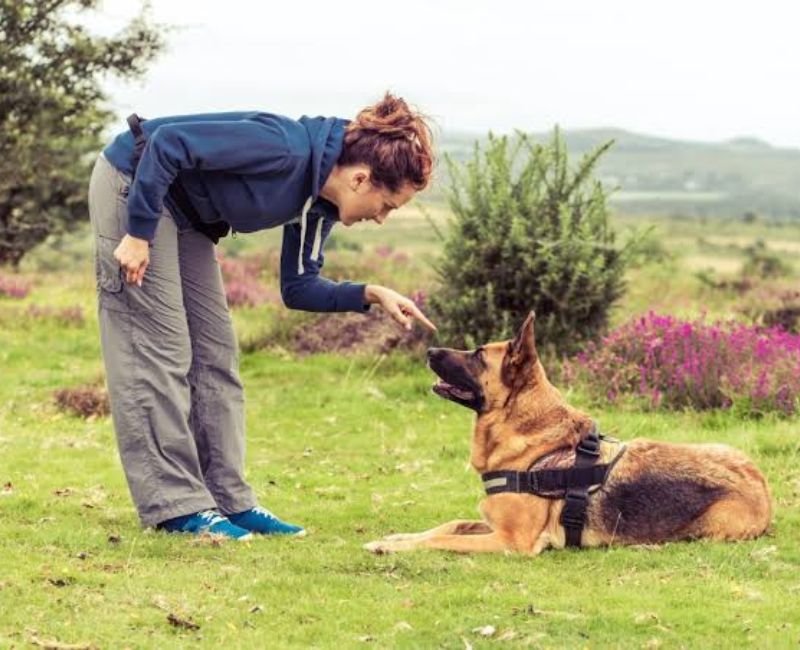
A German Shepherd’s natural abilities develop through good care, training, and everyday experiences. Owners play an important role in helping their dogs become confident and well-adjusted companions.
Here are some practical ways to support their development.
Provide Early Socialization
Introduce your dog gradually to different people, places, sounds, and everyday experiences. Keep these introductions positive and appropriate for its age and confidence.
Maintain Consistent Training
Use clear commands and reward based methods. Regular practice helps your dog understand what is expected.
Offer Daily Exercise
Provide suitable walks, playtime, and activities based on your dog’s age and health.
Encourage Mental Stimulation
Use puzzle toys, scent games, and new training exercises to keep your dog’s mind active.
Provide Proper Nutrition
Feed a complete and balanced diet appropriate for your dog’s life stage. Ask a veterinarian for advice if your dog has specific dietary needs.A balanced diet is essential for maintaining your German Shepherd’s energy, muscle strength, and overall health. Explore our guide to German Shepherd food and nutrition to learn about suitable food choices, feeding schedules, and nutritional requirements.
Maintain Grooming and Health Care
Brush the coat regularly, check the ears and nails, maintain dental hygiene, and arrange routine veterinary examinations.German Shepherds have a double coat that requires regular grooming and brushing. If you want to understand their coat types, shedding, and grooming routine in more detail, read our guide to short-haired German Shepherd coat care.
Build a Strong Relationship
Spend time with your dog through play, training, walks, and calm interaction. A consistent and positive relationship helps create trust.
14. Are German Shepherds Suitable for First-Time Owners?
German Shepherds can be suitable for first-time owners who are willing to learn about responsible dog care. Their intelligence and trainability can make them rewarding companions, but their needs should not be underestimated.
A first-time owner should be prepared for:
- Regular exercise and outdoor activities.
- Consistent obedience training.
- Early and ongoing socialization.
- Regular brushing and shedding management.
- Veterinary visits and other care expenses.
- Daily companionship and mental stimulation.
If you have enough time, patience, and commitment, a German Shepherd may be a good match.
However, if you want a dog that requires little exercise, minimal grooming, and limited training, this breed may not be the most suitable choice.
Frequently Asked Questions
1. What are the best qualities of a German Shepherd dog?
The best qualities of a German Shepherd include intelligence, loyalty, confidence, trainability, alertness, athletic ability, and versatility. These traits make the breed suitable for many working roles and family companionship.
2. Why are German Shepherds so loyal?
German Shepherds often develop strong relationships with their owners through companionship, training, and positive daily experiences. Their working background also contributes to their ability to cooperate closely with people.
3. Are German Shepherds intelligent?
Yes. German Shepherds are known for their learning ability and problem-solving skills. They can learn basic commands, advanced obedience, tracking, and specialized tasks with suitable training.
4. Are German Shepherds protective of their owners?
Many German Shepherds are naturally alert and may show protective behavior around their homes and families. Proper socialization and training help them respond calmly and appropriately.
5. Are German Shepherds good family dogs?
They can be excellent family companions when properly socialized and trained. Families should provide regular exercise, attention, supervision around children, and consistent care.
6. What are the disadvantages of owning a German Shepherd?
Common challenges include regular shedding, high exercise needs, ongoing training requirements, and the need for daily companionship. Their size and strength also make responsible handling important.
7. Are German Shepherds good for first-time owners?
They can suit committed first-time owners who are prepared to provide training, exercise, grooming, and socialization. They may not be ideal for people seeking a low maintenance dog.
Final Thoughts
German Shepherds are special because they combine intelligence, loyalty, courage, athletic ability, and a strong willingness to work with people. These qualities make them valuable working dogs and devoted companions.
However, their best qualities do not develop through genetics alone. Good training, positive socialization, daily activity, proper nutrition, and consistent care all play an important role.
If you are ready to meet these responsibilities, a German Shepherd can become a loving, dependable, and rewarding part of your life.
Pingback: Traits of a German Shepherd: Personality and Behavior